
4 min read
718 words
A good poker game isn’t about strutting around with your high-quality poker table or being familiar with all the different poker rule variations. It’s all about the rhythm and the flow. If you want to know how to host a poker night at home, just remember: the objective is to make it easy for people to gather around and play cards. And when you make card playing easy, everything else will fall into place.
Start With the Right Group Size
A poker game shouldn’t have too many players. Six to eight would be ideal. If there are fewer, there probably won’t be enough energy. Too many, and a poker game would come to a crawl if players were not experienced.
If it’s your first time as host, you don’t want to invite too many players. This way, you can control the game better regarding the number of blinds, chips, and game speed.
Decide the Game and Rules Ahead of Time
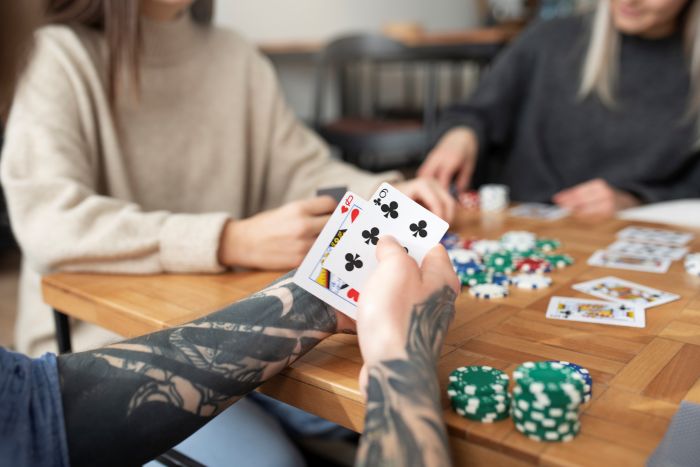
Nothing kills momentum faster than debating rules mid-hand. Pick the game before anyone arrives. Texas Hold’em is usually the safest option, especially if skill levels vary. If you’re adding variations, keep them simple and explain them clearly.
If someone suggests a rule set they swear by, make sure everyone understands it first. Pointing players to clear guides, like Irish poker rules, can help avoid confusion if you’re mixing formats.
Clarity upfront saves arguments later.
Set Buy-Ins That Fit the Crowd
Poker nights get awkward when money becomes uncomfortable.
Choose a buy-in that everyone can afford without thinking twice. This keeps the mood relaxed and prevents players from tightening up just because the stakes feel heavy.
Offering one rebuy early on is fine. Unlimited rebuys usually aren’t. You want chips to matter without turning the night into a grind.
Keep the Setup Simple
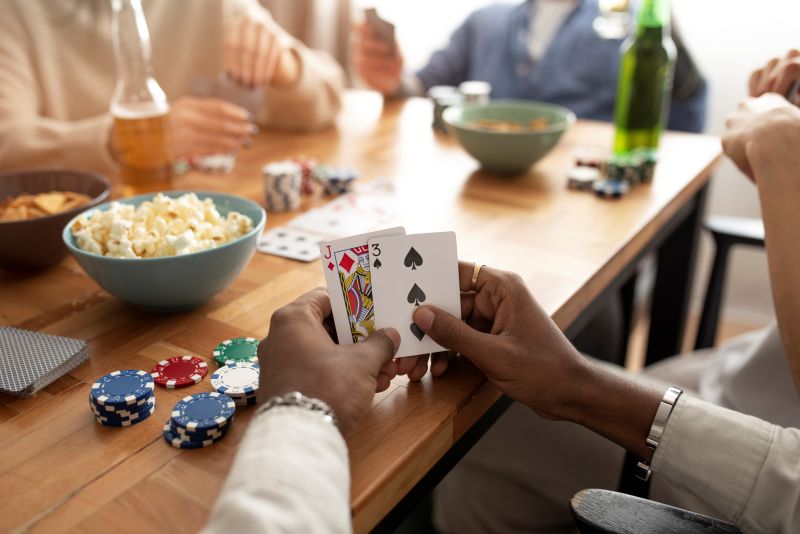
You don’t need a professional table to host a solid game. A clean table, decent lighting, and enough space for chips and cards are enough. Make sure chairs are comfortable. Poker nights last longer than people expect.
Cards should be clean. Chips should be easy to tell apart. Everything else is optional.
Think About Food and Breaks
Poker goes better when people aren’t distracted by hunger. Finger foods work best. Nothing greasy. Nothing that requires plates balanced on laps. Keep drinks within reach but away from the cards.
Plan short breaks every hour or so. It gives people a chance to reset, chat, and stretch without killing the game’s rhythm.
Poker Night Tips for Keeping Energy Up
Long sessions can drag if nothing changes.
Switch dealers from time to time. Adjust the blinds if business dies down. Don’t be afraid to call a time-out if it appears half the table is tuned out. Give the players a reason to get energetic once again.
Dress Code: Casual, With a Purpose
There’s no need for themed clothing for poker night. Comfortable clothing will do.
This is because the attire conducive to the poker environment should include casual wear, such as hoodies, jeans, and sneakers. Of course, the individual can choose to have a poker night outfit or not. Ultimately, the aim here is to make each person feel comfortable, not stiff.
How Do You Keep Everyone Engaged?
Engagement comes from pace. Keep the hands moving. Avoid long rule discussions mid-game. If someone is new, help them quietly rather than stopping the table.
Most people don’t mind losing chips. They mind waiting. A steady rhythm keeps players involved and prevents attention from drifting away from the table.
Thoughts Caboose
Hosting poker isn’t about perfection. It’s about awareness.
If people are comfortable, the rules are clear, and the game keeps moving, you’ve done it right. The best compliment you’ll get isn’t a big pot or a dramatic bluff. It’s everyone asking when the next poker night is.
FAQs
How many players make the ideal poker night?
Six to eight players keep the game moving without feeling crowded.
How can you make a casual poker night feel special?
Clear rules, comfortable seating, and smooth pacing matter more than decorations.
How do you keep everyone engaged during a long poker night?
Maintain pace, schedule short breaks, and avoid unnecessary delays between hands.
 Lynn Leblanc