
6 min read
1043 words
Accessorizing is truly an art form that can transform even the simplest outfit into something genuinely eye-catching. Whether you’re getting ready for a laid-back weekend brunch, heading into an important business meeting, or preparing for an elegant evening event, the right accessories can completely elevate your look while showcasing who you really are. So many people find themselves stuck when it comes to choosing which pieces work best, how to accessorize them without going overboard, and understanding that sometimes less really is more. Here’s the encouraging part: mastering this skill doesn’t require a closet bursting with accessories or years of fashion school training.
Start with a Focal Point

Every successfully accessorized outfit needs a clear focal point, something that immediately catches the eye and anchors your entire look. This centerpiece might be a bold statement necklace, a pair of striking earrings that frame your face beautifully, a vibrant scarf with personality, or even a stunning watch that naturally commands attention. The real secret here is choosing one primary accessory to serve as the star, then carefully building around it with complementary pieces that enhance rather than compete for attention. When you’re selecting your focal point, take a moment to consider your outfit’s neckline and color palette, since these factors significantly influence which accessory will make the biggest impact.
Balance Proportions and Scale
Understanding proportion becomes absolutely crucial when accessorizing, because wearing pieces that are appropriately scaled to both your body type and outfit creates that visual harmony we’re all striving for. If you’re on the petite side, oversized accessories can easily overwhelm your frame, while delicate pieces might practically disappear on someone with a taller or fuller figure. The scale of your accessories should also complement the weight and texture of what you’re wearing, chunky, substantial pieces naturally pair well with heavier fabrics like wool or denim, while delicate, refined accessories better suit lightweight materials such as silk or linen. Consider your outfit’s overall silhouette when you’re choosing accessories.
Create Color Harmony
Color coordination is absolutely essential for creating a cohesive, intentional look rather than giving the impression you randomly grabbed accessories from your jewelry box in a rush. Start by identifying the dominant colors in your outfit, then choose accessories that either complement or thoughtfully contrast with these hues in a way that feels purposeful. A monochromatic approach, where accessories match or closely align with your clothing colors, creates a lengthening effect and projects sophisticated simplicity. Alternatively, working with complementary colors on the color wheel, like pairing blue clothing with warm gold accessories or green garments with rose-toned pieces, adds genuine visual interest and dimension to your overall appearance.
Mix Textures and Materials
Adding variety through different textures and materials prevents your accessorized look from appearing flat or one-dimensional, which can happen more easily than you’d think. Combining smooth metals with textured leather, polished gemstones with matte finishes, or shiny patent accessories with natural fabrics creates depth and visual intrigue that draws people in. This principle applies across all types of accessories, from jewelry to bags to scarves and belts, without exception. Pairing a smooth leather handbag with a woven straw belt and polished metal jewelry, for example, creates interesting contrast while still maintaining cohesion throughout your look. Don’t hesitate to mix organic materials like wood, stone, and natural fibers with more refined elements such as precious metals and crystals, the combinations often work better than you’d expect. The interplay between different textures makes each individual piece more noticeable and adds a layer of sophistication to your overall presentation.
When working with textured accessories, though, stay mindful of balance, if your clothing features heavy texture or bold pattern, consider streamlined accessories to avoid visual overwhelm, and vice versa. Natural gemstone pieces offer particularly beautiful texture variation, with their unique inclusions and organic characteristics adding authentic, earthy dimension to any outfit. For professionals who need to transition seamlessly from day to evening looks, Montana sapphire jewelry provides versatile elegance with its distinctive cornflower blue hues that complement both neutral and colorful wardrobes beautifully. Experimenting with unexpected material combinations often yields the most memorable and genuinely fashion-forward results that people remember.
Consider the Occasion and Functionality
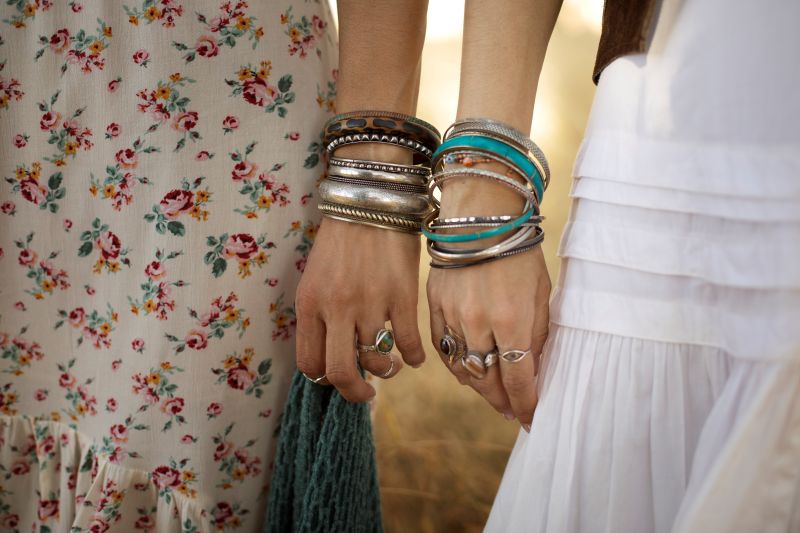
The context in which you’ll be wearing your outfit should always inform your accessorizing decisions, ensuring your choices are both stylish and appropriate for the situation. Professional environments typically call for understated elegance, think classic watch styles, simple stud or hoop earrings, and refined bags that convey competence and polish without becoming a distraction. Casual settings offer much more freedom for playful experimentation, allowing you to showcase personality through quirky brooches, stackable bracelets, or bold sunglasses that make a statement. Evening events provide perfect opportunities to embrace drama with sparkling statement pieces, metallic clutches, and jewelry that catches the light from across the room.
Apply the Rule of Three
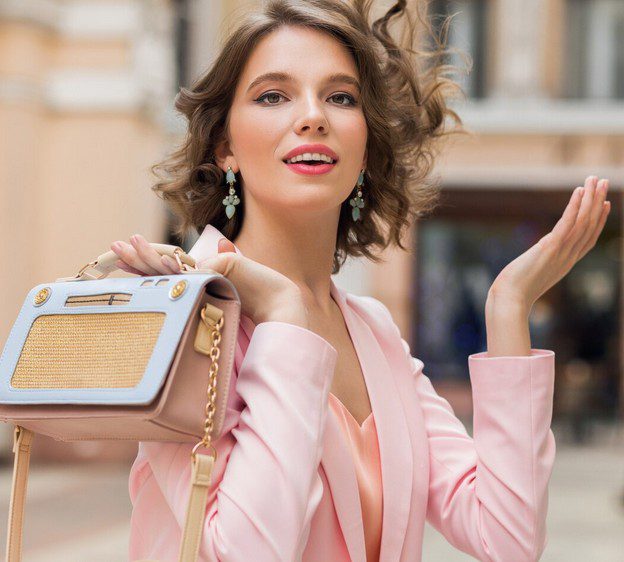
The rule of three is a time-tested styling principle that genuinely helps prevent over-accessorizing while ensuring your look feels complete and intentional rather than thrown together. This guideline suggests selecting three main accessory categories or focal areas to emphasize, which might include earrings paired with a bracelet and a handbag, or a necklace combined with a ring and a belt that ties everything together. By limiting your accessories to three key elements, you create a balanced, polished appearance without overwhelming your outfit or your natural features, which should always remain the focus. This doesn’t mean you must wear exactly three individual items, you might wear multiple rings on one hand that count together as one focal area, or stack several delicate necklaces that together create a single cohesive statement.
Conclusion
Mastering the art of accessorizing truly empowers you to maximize your wardrobe’s potential and express your unique style with genuine confidence. By starting with a clear focal point, balancing proportions thoughtfully, creating color harmony, mixing textures in interesting ways, considering your occasion, and applying the rule of three, you can transform any basic outfit into something memorable that reflects who you are. Remember that accessorizing is ultimately about enhancing your natural beauty and personality rather than rigidly following fashion rules that might not even suit your lifestyle. Experiment with different combinations, trust your instincts, and don’t be afraid to develop your own signature accessorizing style that becomes recognizably yours.
 Lynn Leblanc
  Carly
Carly