

3 min read
511 words
Monitoring your infant’s breathing can feel daunting, especially for new parents who are still learning what is normal and what might signal a problem. Babies breathe differently than adults, and their patterns can change based on sleep, feeding, and overall health. Understanding these signals and knowing when to act can help you keep your child safe and give you peace of mind during those early months.
Why Breathing Patterns Matter
Infants have smaller airways and developing respiratory systems, which makes them more vulnerable to breathing issues. Normal breathing for a newborn often includes irregular rhythms, occasional pauses, and faster rates than adults. While these variations are usually harmless, certain signs can indicate distress or underlying health concerns. Recognizing these patterns early allows parents to respond quickly and prevent complications.
What Normal Breathing Looks Like
Before you can spot a problem, it’s important to know what healthy breathing looks like. Most infants breathe between 30 and 60 times per minute, and their breathing may appear uneven at times. Gentle pauses lasting less than 10 seconds are common, especially during sleep. You might also notice slight chest movement and soft sounds as they inhale and exhale. These are typically normal and should not cause alarm unless accompanied by other symptoms.
Warning Signs That Require Attention
While irregular breathing can be normal, certain signs should prompt immediate action. Watch for rapid breathing that exceeds 60 breaths per minute, persistent grunting, flaring nostrils, or visible pulling in of the chest muscles. Bluish lips or skin, difficulty feeding, and extreme lethargy are also red flags. These symptoms may indicate respiratory distress or infection and should never be ignored. Acting quickly can make a significant difference in your baby’s health.
Where to Seek Help When You’re Concerned
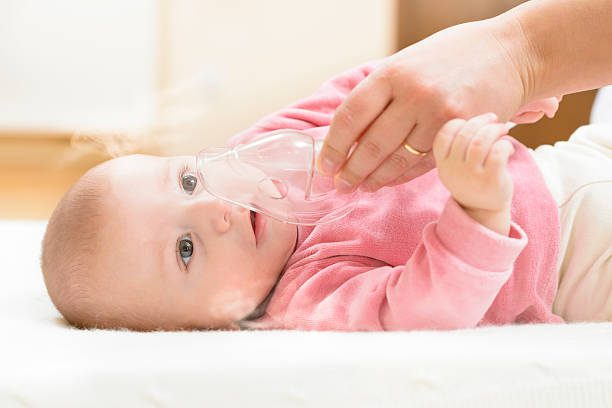
If you notice concerning symptoms, don’t hesitate to reach out for professional care. For urgent situations that are not life-threatening but still require prompt attention, visiting urgent care in Punta Gorda or your area can be a practical solution. These centers are equipped to handle pediatric concerns and can provide timely evaluation and treatment. Having a plan for where to go if breathing issues arise can help you respond calmly and effectively.
Tips for Monitoring at Home
Parents can take proactive steps to track breathing signals at home. Observe your baby in a well-lit environment and listen closely for unusual sounds. Using a baby monitor with a breathing sensor can offer added reassurance, but it should never replace direct observation. Keep your infant’s sleep area clear of soft bedding and ensure they are placed on their back to reduce the risk of suffocation. Regular check-ins during naps and nighttime can help you stay aware of any changes.
Conclusion
Understanding your infant’s breathing patterns is an essential part of early parenting. By learning what is normal, recognizing warning signs, and knowing where to seek help, you can protect your child’s health and reduce anxiety during those critical first months. Careful observation and quick action when needed ensure your baby gets the support they need to thrive.
 Emma Lee Scott
  Lisa
Lisa