How to Stage Your Home for a Quick Sale and Buyer Appeal
6 min read
1113 words
Learning how to stage your home for a quick sale can significantly increase buyer interest, improve listing photos, and help your property sell faster in today’s competitive real estate market.Selling your home is about more than just listing a property. It is about marketing a lifestyle. When you put your house on the market, you are no longer simply sharing your personal space. You are inviting potential buyers to envision their future there.
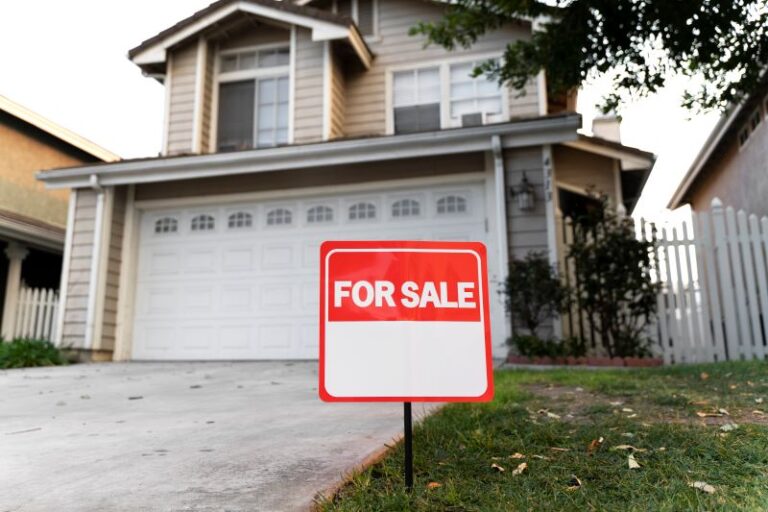
This is the core concept of the “lifestyle sale.” Instead of seeing a “For Sale” sign, buyers should walk through the door and instantly picture themselves living in the home.
It is important to understand the difference between staging and decorating. Decorating is personal expression. It reflects your unique tastes, memories, and family history. Home staging, however, is a strategic marketing tool designed for broad buyer appeal.
Staging removes distractions and creates a clean, neutral canvas that appeals to the widest possible audience.
In today’s digital first market, first impressions matter more than ever. Buyers often form emotional connections within seconds while scrolling through listing photos online. Effective home staging ensures both the online images and the in-person walk-through capture buyer attention immediately.
II. The Psychology and ROI of a Staged Home
Why does home staging work so well? It relies heavily on psychology, visual perception, and emotional connection.
- Visual Expansion: Strategic furniture placement helps rooms feel larger and brighter. Removing oversized furniture and improving traffic flow creates a more open atmosphere.
- The “Blank Canvas” Effect: Staging removes distractions like family portraits and bold decor choices. This allows buyers to mentally move themselves into the home.
- Perceived Maintenance: A clean and organized property suggests that the home has been properly maintained overall, including plumbing, HVAC systems, and electrical components.
- The Numbers Game: Professionally staged homes often spend less time on the market and may command higher offers. Home staging is an investment that can increase perceived value.
Expert Tip: Remove at least one-third of the furniture in every room before listing photos are taken. This instantly makes spaces appear larger and more inviting.
III. Phase 1: The Essential Clean-Up When You Stage Your Home for a Quick Sale (Non-Negotiables)
Before purchasing a single decor item, focus on the fundamentals. These essential home staging tips create the foundation for a successful quick home sale.
- Ruthless Decluttering: Clutter is the enemy of a quick sale. Remove excess decorations, bulky furniture, and unnecessary items to make rooms feel open and spacious.
- The Depersonalization Rule: Buyers need to picture themselves living in the home, not feel like they are visiting someone else’s life. Pack away family photos, awards, and personal collections.
- Deep Cleaning High Impact Areas: Kitchens and bathrooms should sparkle. Scrub grout, polish fixtures, wash windows, and ensure every surface feels fresh and clean.
- Eliminating Odors: Avoid using heavy artificial fragrances. Instead, eliminate odors at the source by deep cleaning carpets, upholstery, and pet areas.
Helpful Home Staging Essentials: Storage bins, decorative baskets, closet organizers, and shelving systems can instantly reduce visual clutter while improving organization throughout the home.
IV. Phase 2: Interior Atmosphere and Design
- Maximizing Light: Open blinds and curtains to let in natural light. Use layered lighting with floor lamps and table lamps to eliminate dark corners and create warmth.
- The Power of Neutrals: Soft whites, warm beiges, and light gray tones help spaces feel larger, brighter, and more universally appealing.
- Furniture Scaling: Remove furniture pieces that block pathways or overwhelm smaller rooms. Proper furniture placement helps buyers appreciate the layout and architectural features.
Quick Upgrade Idea: Warm LED bulbs, decorative mirrors, modern floor lamps, and neutral throw pillows are affordable home staging products that can dramatically improve a room’s atmosphere.
V. Phase 3: Room-by-Room Staging Highlights
- The Kitchen (The “Money” Room): Clear at least 80% of countertops to showcase workspace and size. Add subtle luxury touches like fresh lemons, flowers, or a stylish coffee station.
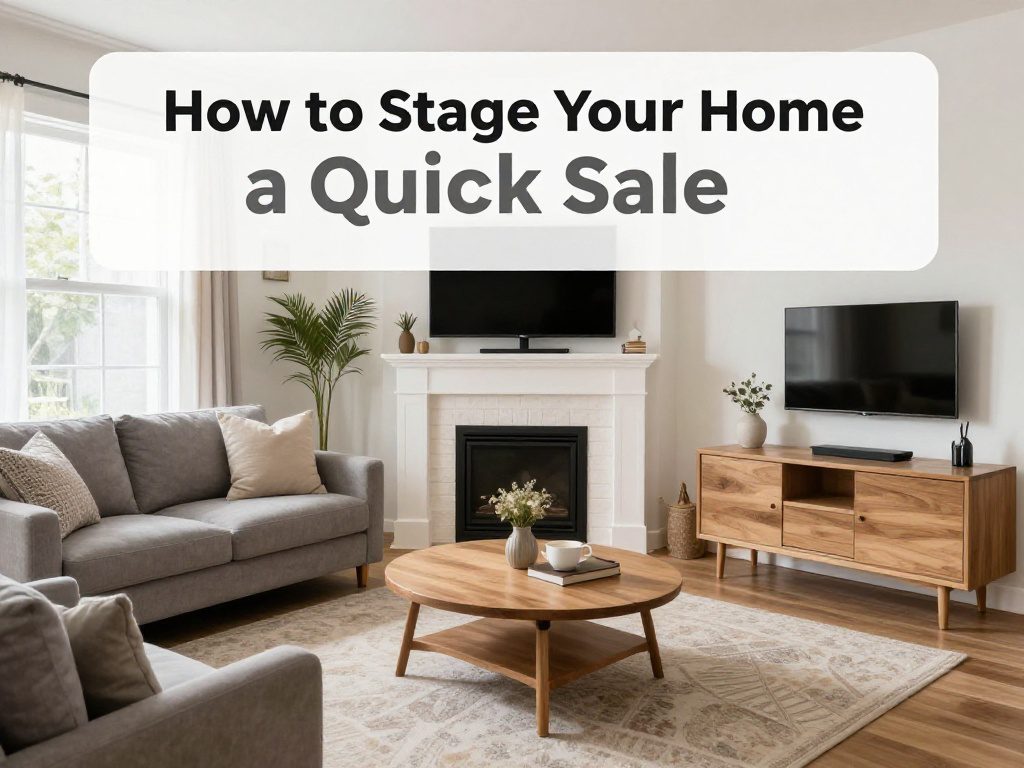
- The Living Room: Create a conversational seating layout and add soft textures with throw blankets and pillows to make the room feel welcoming.
- The Primary Bedroom: Aim for a hotel inspired look using crisp white bedding, layered pillows, and simple decor.
- The Spa-Like Bathroom: Roll white towels neatly, remove personal toiletries, and add elegant accessories like candles or decorative soap dispensers.
Popular Home Staging Decor Picks: Neutral bedding sets, faux plants, luxury candles, textured throws, and minimalist wall art help create a polished, move-in-ready appearance.
VI. Phase 4: Curb Appeal (The Exterior Handshake)
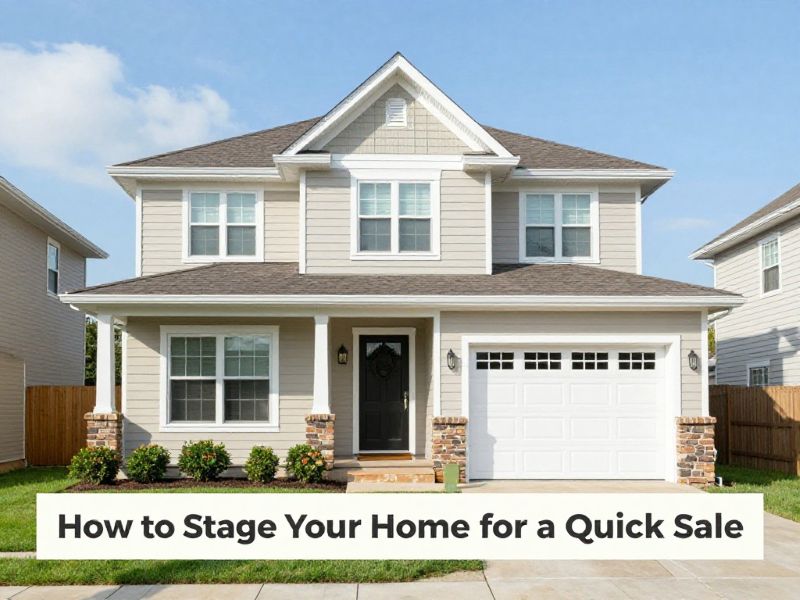
The exterior of your home is the first handshake with a potential buyer. Strong curb appeal creates excitement before buyers even walk inside.
- The Front Entrance: Paint the front door, update house numbers, clean walkways, and ensure outdoor lighting is bright and welcoming.
- Landscaping Basics: Mow the lawn, trim hedges, edge pathways, and add seasonal flowers or planters for instant visual appeal.
Curb Appeal Upgrades Buyers Notice: Outdoor planters, solar pathway lights, welcome mats, and modern house numbers are simple additions that elevate the appearance of your home.
VII. Professional vs. DIY Home Staging
- The DIY Route: Budget conscious homeowners can focus on decluttering, cleaning, lighting, and neutral decor using affordable home staging ideas.
- Virtual Staging: For vacant homes, digitally staged photos help buyers understand scale, furniture placement, and layout possibilities.
- Professional Consultation: Hiring a professional home stager may be worthwhile for luxury homes, vacant properties, or highly competitive markets.
VIII. Final Checklist and Photography Tips
Pre Showing Checklist (30 Minutes Before):
- Turn on every light in the house, including closets.
- Open all curtains and blinds.
- Wipe down kitchen and bathroom surfaces.
- Hide pet beds, food bowls, and litter boxes.
- Remove trash cans and cleaning supplies from sight.
- Add fresh towels and straighten bedding.
Staging for the Camera: Listing photos are your first showing. Photograph rooms from doorways to maximize visible space, use natural light whenever possible, and ensure every room appears bright and clutter free.
Photography Tip: Schedule listing photos during the brightest part of the day to make rooms appear warm, airy, and inviting online.
Conclusion: Investing in the Offer
Home staging is about making strategic investments of time and effort that deliver meaningful returns. By presenting a clean, neutral, organized, and well-lit home, you signal to buyers that the property is valuable and move-in ready.
Whether you are using professional home staging services or following DIY home staging tips, every improvement helps strengthen buyer confidence and increase emotional connection.
When you stage your home, you are not just decorating. You are positioning your property for success in a competitive market. Every thoughtful change helps buyers see the true potential of the space and imagine themselves living there.
Every step you take brings you closer to receiving that ideal offer.