
9 min read
1606 words
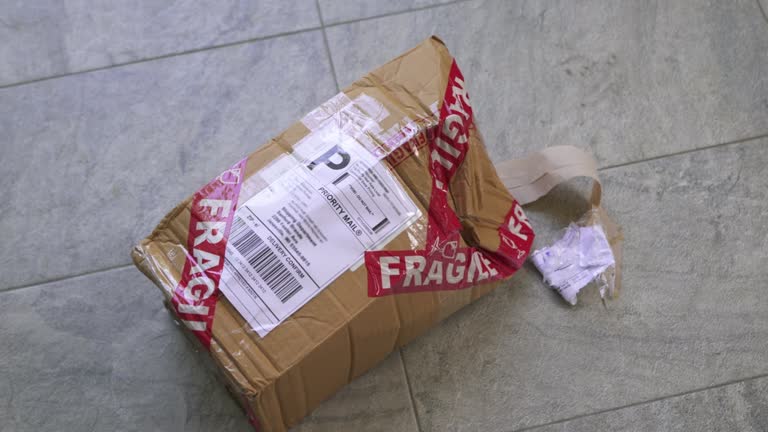
The festive season is almost upon us, bringing the excitement of Black Friday deals, Cyber Monday specials, and the joy of exchanging gifts. Our online shopping carts are ready, but there’s a growing concern casting a shadow over the convenience of e-commerce: damaged deliveries. As shipping volumes surge to unprecedented levels during the holidays, so do the reports of parcels arriving crushed, broken, or incomplete.
What was once a minor inconvenience is now a significant headache for consumers and businesses alike. Beyond just damaged deliveries, we’re seeing delivery delays, subpar customer service, parcels not turning up at all, and a worrying rise in doorstep parcel thefts. Shopping from the comfort of your own home isn’t always trouble-free. This comprehensive guide will equip you with the knowledge and steps to take when your anticipated holiday treasures arrive in less-than-perfect condition, ensuring your shopping experience remains merry and bright.
Navigating Carrier Claims for Damaged Shipments: A Step-by-Step Approach
When a package arrives damaged, your immediate reaction might be frustration. But acting quickly and strategically can save you a lot of hassle. Understanding how to file a claim with the shipping carrier is crucial.
Act Fast: The Golden Rule of Claims
Most carriers have strict time limits for filing damage claims, often within a few days of delivery. The sooner you report the issue, the better your chances of a successful resolution. Don’t delay—inspect your package immediately upon arrival, especially if the exterior shows obvious signs of distress.
Document Everything: Your Visual Evidence
This is perhaps the most critical step. Before doing anything else, take comprehensive photos and videos:
- Exterior of the package: Capture any rips, dents, holes, or signs of mishandling.
- Shipping label: Make sure the tracking number and addresses are clearly visible.
- Inner packaging: Show how the item was packed (or poorly packed).
- Damaged product(s): Close-ups of the specific damage to the item itself.
- Unboxing video: If you can, film yourself opening the package, showing its condition upon first glance.
This visual evidence is invaluable for substantiating your claim with the carrier and the seller.
Understanding Carrier Policies: UPS, FedEx, USPS, DHL
Each major carrier has its own specific procedures and online portals for filing claims. It’s wise to familiarize yourself with the general requirements for the carrier used for your shipment. Typically, you’ll need the tracking number, proof of purchase (invoice/receipt), and your collected photographic evidence.
- UPS, FedEx, DHL: Often have user-friendly online claim forms where you can upload documents and photos.
- USPS: May require you to take the damaged item and packaging to a post office for inspection.
Always check the specific carrier’s website for the most up-to-date claim process.
Who Files the Claim: Shipper or Receiver?
Generally, the shipper (the person or company who sent the package) is responsible for filing the claim with the carrier, as they are the carrier’s direct customer. However, some carriers allow the receiver (you) to initiate the claim process, especially for visible damage. It’s usually best to start by contacting the seller as they have the original shipping information and relationship with the carrier. They can either file the claim on your behalf or guide you through their preferred process.
Handling Claims for Third-Party Purchases: When the Seller Isn’t the Shipper
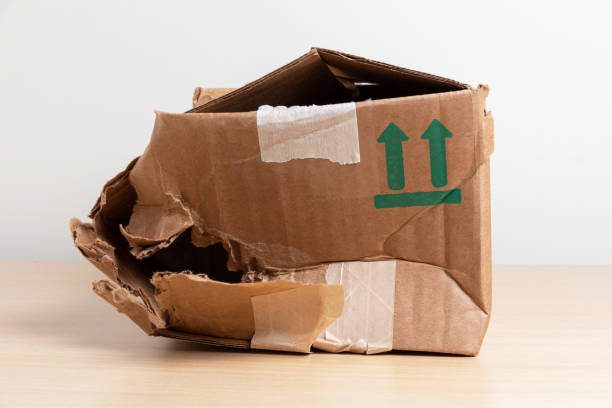
Many holiday purchases are made through online marketplaces rather than directly from a brand’s website. This adds another layer of complexity when dealing with damaged goods.
First Stop: Contacting the Seller Directly
Whether you bought from a small business on Etsy or a seller on Amazon, your first point of contact should always be the seller. Provide them with all the details and photographic evidence of the damage. Reputable sellers will usually be proactive in offering a replacement or refund, often without requiring you to deal directly with the carrier.
Leveraging Marketplace Buyer Protection (Amazon, eBay, Etsy, etc.)
If a seller is unresponsive or unwilling to help, turn to the marketplace’s buyer protection program. Platforms like Amazon A-to-Z Guarantee, eBay Money Back Guarantee, and Etsy’s Purchase Protection are designed to protect buyers in situations like damaged or undelivered items. Be sure to follow their specific guidelines for opening a case, providing all necessary documentation.
Payment Processor Disputes: Your Last Resort
If all else fails, and you’ve exhausted options with both the seller and the marketplace, you can consider disputing the charge with your credit card company or payment processor (e.g., PayPal). This should be a last resort, as it can be a more lengthy process and may impact your ability to shop with that seller or platform in the future.
What Buyers Should Do About Damage Deliveries: Your Action Plan
Being prepared for the worst can make all the difference in resolving a damaged delivery issue efficiently.
Inspect Immediately Upon Arrival
Don’t wait! If the package looks compromised on the outside, mention it to the delivery person if they are present. Take photos before even opening it. This initial inspection is crucial for documenting potential transit damage.
Preserve the Evidence: Don’t Discard Packaging
It’s tempting to throw away a mangled box, but the original packaging is vital evidence. Keep the box, all packing materials (bubble wrap, peanuts, air pillows), and the shipping label. Carriers often require inspecting these items to determine how the damage occurred and who is at fault.
Communicate Clearly and Promptly
When contacting the seller or carrier, be polite but firm. Clearly state the problem, provide your order number, tracking number, and attach all your photographic evidence. Ask for specific next steps (replacement, refund, return instructions).
Know Your Consumer Rights
In many regions, consumer protection laws entitle you to receive goods that are “fit for purpose” and “as described.” A damaged product generally falls short of these expectations. Familiarize yourself with your rights regarding returns, refunds, and replacements for faulty or damaged goods.
Who’s at Fault for Package Damage? Unraveling the Responsibility
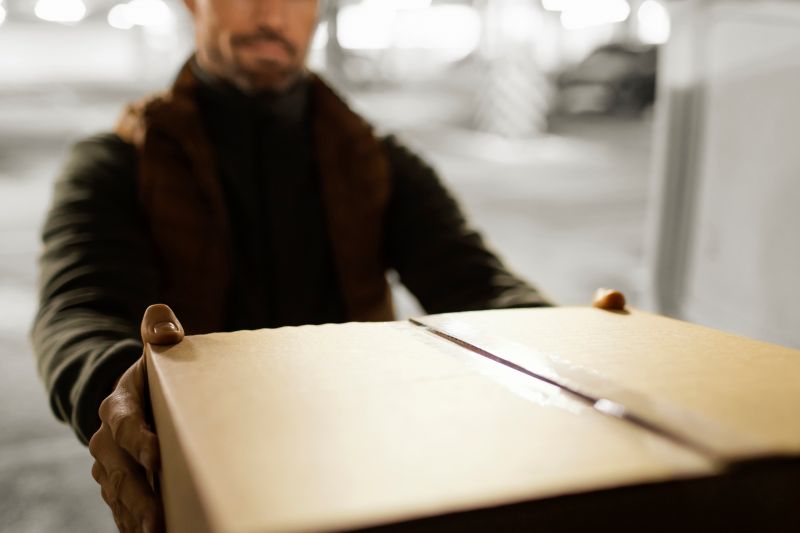
Determining fault for damaged deliveries can be tricky, as multiple parties are involved in the journey from warehouse to doorstep.
The Shipper’s Role: Packaging and Preparation
Often, the fault lies with inadequate packaging. If the item wasn’t properly cushioned, secured, or marked as fragile, the shipper (seller) bears responsibility. They are expected to pack items to withstand typical transit stresses.
The Carrier’s Responsibility: Transit and Handling
Carriers are responsible for handling packages with reasonable care. Damage due to dropping, crushing, exposure to elements, or vehicle accidents clearly points to carrier fault. This is where your external package photos are key.
Manufacturer Defects: Pre-Shipping Issues
Occasionally, a product might have been damaged or defective before it was even packaged. While less common for transit-related damage, it’s a possibility, especially with electronics or fragile items that might have internal defects not visible externally.
Proving Fault: The Challenge
Proving fault often comes down to the evidence you provide. Detailed photos, especially showing both the external packaging and the internal product damage, help tell the story. This is why a collaborative approach with the seller is often the smoothest path, as they have the direct relationship with the carrier and can investigate more effectively.
Special Considerations for Holiday Gifts: “Products Ordered Christmas Arriving Damaged”
The heartbreak of a damaged Christmas gift hitting the porch can be amplified by time constraints and the sentiment attached to holiday presents.
The Urgency of Gift Deliveries
Unlike a personal purchase, a damaged gift needs rectification against a looming deadline. This urgency requires even faster action. Contact the seller immediately, emphasizing the item is a Christmas gift and timing is critical for a replacement.
Inspecting Gifts Before Wrapping
It’s wise to quickly inspect any holiday gifts you receive before wrapping them. A quick check can reveal damage, allowing you to initiate a claim and potentially receive a replacement before Christmas day, saving you from a disappointing reveal.
Communicating with the Gift Recipient (if applicable)
If a gift you sent arrives damaged at the recipient’s home, maintain open communication. Apologize for the inconvenience, explain the steps you’re taking, and assure them you’re working to resolve it. If the recipient needs to provide photos, guide them gently.
Beyond Damage: Tackling Other Holiday Shopping Headaches
While damaged deliveries are the focus, the holiday rush also brings related issues that stress out holiday shoppers:
- Delivery Delays: Keep a close eye on tracking information. If a package is significantly delayed without an update, contact the seller or carrier. During peak season, patience is key, but proactive follow-up is also important.
- Bad Service: If you encounter unhelpful customer service, ask to speak to a supervisor. Document who you spoke with, when, and what was discussed.
- Parcels Not Turning Up At All: If tracking shows “delivered” but you have no package, check with neighbors, building management, and your delivery area. Report missing packages to the seller and carrier immediately. Some carriers provide GPS coordinates for proof of delivery.
- Rise in Doorstep Parcel Thefts: Combat “porch pirates” by opting for secure delivery to a locker, a trusted neighbor, or your workplace. Install doorbell cameras, require a signature, or schedule deliveries when you know you’ll be home.
Shop Smart, Ship Safe This Holiday Season
The convenience of online shopping is undeniable, especially during the busy holiday season. However, with the surge in damaged deliveries, delays, and parcel thefts ahead of Black Friday and Christmas, it pays to be prepared.
By knowing your rights, carefully documenting any issues upon arrival, and acting promptly by contacting the seller first, you can navigate these potential pitfalls with confidence. Don’t let a crushed box dampen your holiday spirit. Empower yourself with this knowledge and ensure your gifts and purchases arrive safely, ready to bring joy. Happy shopping!
 April Franke
  Leo Allen