

5 min read
959 words
As a parent, you want to see your child happy, confident, and surrounded by friends. But what happens when social situations seem more like a source of stress than joy for them? Watching your child hover at the edge of the playground or struggle to join a conversation can be heartbreaking. You’re not alone. Many children find navigating the complex world of social interaction challenging. The good news is that social skills, like any other skill, can be learned and strengthened with patience, practice, and the right support. This guide will walk you through practical ways to foster your child’s social development, understand the line between shyness and social anxiety, and know when it’s time to seek professional help.
What Are Social Skills, and Why Do They Matter?
At their core, social skills are the tools we use to communicate and interact with others effectively. They include everything from making eye contact and sharing a toy to reading body language and resolving conflicts.
Strong social skills are a cornerstone of a child’s development. They are essential for:
- Building healthy friendships and peer relationships.
- Succeeding in school through collaboration and communication.
- Developing empathy and understanding others’ perspectives.
- Boosting self-esteem and overall mental well-being.
Practical Strategies to Help Your Child Develop Social Skills
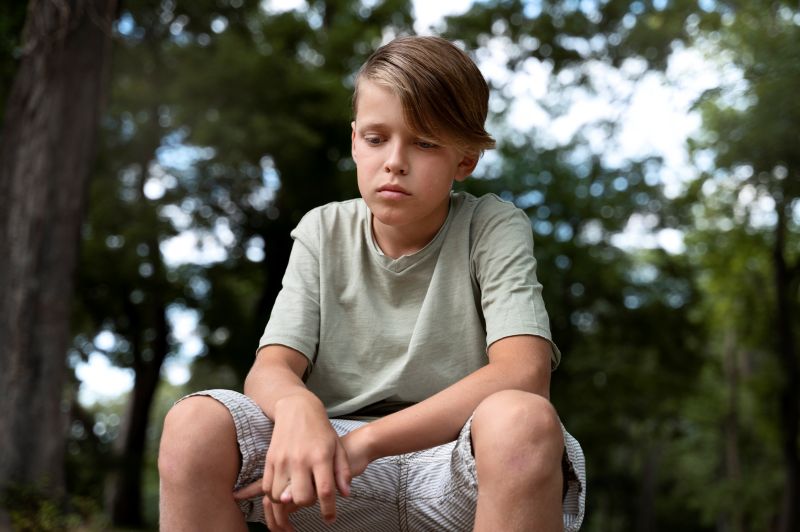
Building social confidence doesn’t happen overnight. It’s a process of gentle coaching and creating safe opportunities to practice. Here are some effective strategies to get started.
1. Be Their Social Role Model
Children are expert observers. They learn how to interact by watching you.
- Model positive interactions: Let them see you greet neighbors warmly, make small talk with the cashier, and listen attentively when someone is speaking.
- Narrate your thoughts: Say things like, “That person smiled at me, so I’ll smile back,” or “I’m going to ask our friend how their day was.” This makes the unspoken rules of social engagement visible.
2. Practice Through Play
Play is a child’s natural language and the perfect, low-pressure training ground for social skills.
- Arrange one-on-one playdates: Large groups can be overwhelming. Start with short, structured playdates with one other child to build confidence.
- Role-play scenarios: Use dolls, action figures, or just yourselves to act out common social situations. Practice how to join a game, ask someone to play, or share a toy.
- Play board games: Games like Chutes and Ladders or Uno teach turn-taking, following rules, and how to win and lose gracefully.
3. Coach, Don’t Control
Think of yourself as a coach on the sidelines, not the star player.
- Before a social event: Talk about what to expect. You could say, “At the party, there will be games and cake. You might see Leo from your class. You could ask him about his new puppy.”
- During the event: If they are struggling, offer a gentle prompt instead of speaking for them. Try whispering, “Maybe you could ask Sarah if she wants to go on the slide with you?”
- After the event: Talk about what went well. Celebrate small victories, like, “I saw you share the crayons with Tom. That was really kind!”
4. Teach Empathy and Emotional Literacy
Understanding others’ feelings is a critical social skill.
- Name the feelings: Help your child identify emotions in themselves and others. “You seem frustrated with that puzzle.” “Look at that boy’s face. He looks sad because his ice cream fell.”
- Read books and watch movies: Pause and discuss the characters’ feelings. Ask questions like, “How do you think she felt when that happened? What would you do?”
Is It Shyness or Social Anxiety?
It’s important to distinguish between a shy temperament and social anxiety, as they require different levels of support.
- Shyness: This is a personality trait. A shy child might take longer to warm up to new situations or people but can eventually participate and enjoy themselves once they feel comfortable. They may be quiet in a group but chatty with close friends and family.
- Social Anxiety: This is a mental health condition characterized by an intense, persistent fear of being watched or judged by others. For a child with social anxiety, social situations cause significant distress.
Signs your child might be struggling with social anxiety include:
- Intense fear or worry about upcoming social events (parties, school presentations).
- Physical symptoms like stomachaches, headaches, or trembling before or during social situations.
- Actively avoiding social settings, like refusing to go to school or birthday parties.
- Difficulty speaking to anyone outside the immediate family.
- Fear of doing something embarrassing that will lead to humiliation.
When and How to Get Help
If your child’s fears are consistently interfering with their ability to attend school, make friends, or participate in activities they once enjoyed, it may be time to seek professional support. Taking this step is a sign of strength and advocacy for your child.
Where to turn for help:
- Your Pediatrician: Start by discussing your concerns with your child’s doctor. They can rule out any other medical issues and provide a referral to a specialist.
- A School Counselor: School counselors are trained to help with social challenges and can be a valuable resource for support within the school environment.
- A Child Therapist or Psychologist: A mental health professional can provide an official diagnosis and create a tailored treatment plan. Therapies like Cognitive Behavioral Therapy (CBT) and play therapy are highly effective at teaching children coping strategies to manage anxiety.
You Are Your Child’s Best Advocate
Helping your child build a healthy social life is a journey of a thousand small steps. Celebrate their effort, not just their success. Be patient, be their safe space, and remember that with your loving guidance, they can learn to navigate the social world with growing confidence.
What strategies have you found helpful for your child? Share your experiences in the comments below!
 Sierra Powell