
4 min read
755 words
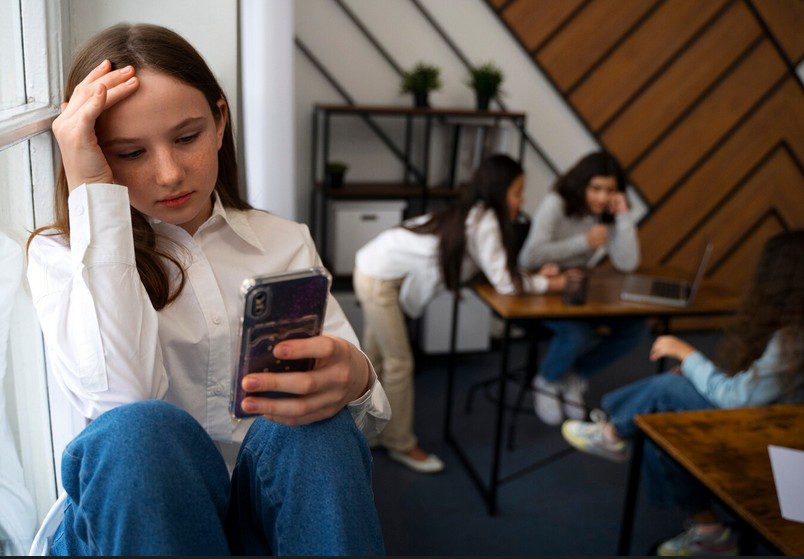
In today’s hyper-connected world, teens are navigating a unique digital landscape where social media isn’t just a tool—it’s a constant presence. With over 85% of Australian teenagers using platforms like Instagram, TikTok, and Snapchat, the lines between online interaction and real-world social dynamics are blurring. While social media offers opportunities for connection and self-expression, it also magnifies peer pressure in unprecedented ways. As Australia implements its groundbreaking under-16 social media ban, it’s more critical than ever to understand how these platforms shape teen behavior, mental health, and self-perception.
The Amplified Peer Pressure: How Social Media Changes the Game
1. The Never-Ending Comparison Trap
Social media turns everyday interactions into a highlight reel. Teens are constantly exposed to curated images of their peers’ lives—perfect vacations, friendships, and achievements. This relentless comparison can lead to feelings of inadequacy, low self-esteem, and anxiety. A 2023 study by the Royal Society for Public Health (UK) found that platforms like Instagram are linked to increased rates of body image concerns and depression among teens.
2. Fear of Missing Out (FOMO)
The pressure to stay “in the loop” is intense. Notifications, likes, and comments create a cycle of seeking validation. Teens who feel left out of online conversations or trends may take risky actions to gain approval—posting impulsively, joining controversial challenges, or even skipping school to stay connected.
3. Cyberbullying: A Hidden Threat
While traditional bullying has long been a concern, social media introduces a 24/7, public arena for harassment. Anonymous accounts, viral comments, and shared private messages can turn a simple mistake into a public humiliation. Research from Australia’s eSafety Commissioner reveals that 1 in 5 teens has experienced cyberbullying, with severe impacts on mental health.
4. The Pressure to Conform
From fashion choices to political opinions, social media algorithms push teens toward trends that dominate their feeds. The result? A growing fear of being judged or ostracized for not conforming. This pressure can lead to identity struggles, as teens prioritize online personas over authentic self-expression.
Australia’s Under-16 Social Media Ban: A Response to the Crisis
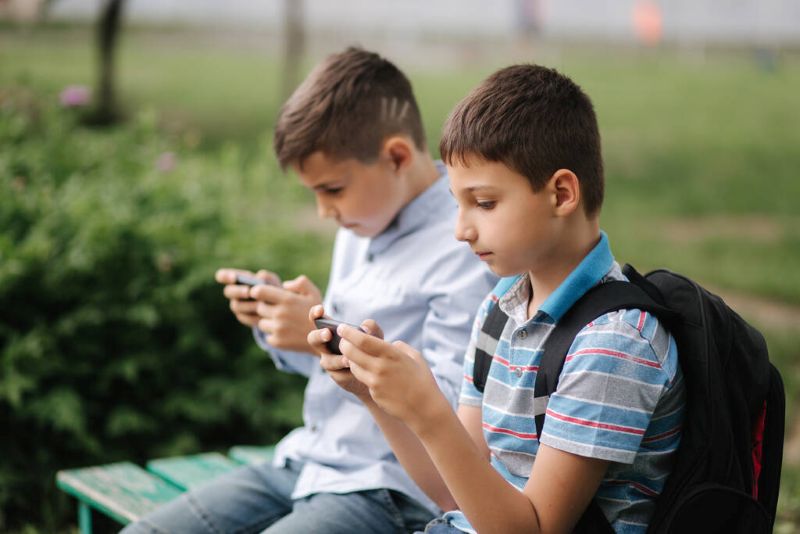
Australia’s new law banning social media access for under-16s is a bold step toward protecting young minds. While critics argue it may infringe on privacy, supporters highlight its potential to reduce anxiety, improve sleep, and curb cyberbullying. The ban reflects global concerns about social media’s role in mental health decline among teens, particularly following reports of increased self-harm and eating disorders.
However, solutions aren’t one-size-fits-all. As parents and educators, it’s crucial to balance regulation with open dialogue. Instead of outright bans, fostering digital literacy and resilience can help teens navigate these platforms more mindfully.
Why This Matters: The Mental Health Connection
Social media’s impact on mental health isn’t just anecdotal. Studies consistently show a correlation between heavy social media use and rising rates of anxiety, depression, and loneliness in teens. The constant pursuit of likes and followers can trigger dopamine-driven cycles of validation-seeking, while negative interactions online often spill into real life, damaging peer relationships.
But it’s not all doom and gloom. Social media can also connect teens with supportive communities, create spaces for creativity, and foster advocacy around causes they care about. The key lies in finding balance and awareness.
How to Cope: Building Resilience in the Digital Age

For parents and teens navigating this complex landscape, here are actionable steps to mitigate the pressures of social media:
- Encourage Offline Interactions: Prioritize face-to-face activities, family time, and hobbies that don’t involve screens.
- Set Boundaries: Introduce tech-free zones (like the dinner table) or screen-free hours before bedtime.
- Promote Critical Thinking: Teach teens to question the authenticity of online content. What they see isn’t always real!
- Foster Open Communication: Create a safe space for teens to share their online experiences, fears, and triumphs.
- Model Healthy Habits: Parents’ own social media behavior can influence teens. Be mindful of how much—and how often—you post.
Conclusion: Guiding Teens Through the Digital Maze
While social media’s role in amplifying peer pressure is undeniable, it’s not insurmountable. Australia’s under-16 ban is a significant step toward protecting young minds, but ongoing education and support are essential. By understanding the pressures teens face and equipping them with tools to navigate the digital world confidently, we can help them turn social media’s challenges into opportunities for growth.
Let’s work together to build a culture where teens feel empowered—not overwhelmed—by the digital age. After all, their mental health and well-being are worth the effort.