
7 min read
1293 words
In Canada, the phenomenon of grandparents raising grandchildren is more common than many people realize. It represents a quiet but profound shift in the landscape of family structures, with nearly one in ten children aged 0-14 living with at least one grandparent. This significant trend has widespread implications, touching on social welfare, economic stability, and the very definition of family. But why are so many grandparents stepping in to take on the role of parent once again, long after they may have thought their child-rearing days were behind them? This article delves into the multifaceted reasons behind this growing phenomenon, the unique challenges and profound rewards it presents, and the crucial support systems in place – and those still needed – to ensure the well-being of these remarkable families.
Reasons for Grandparents Raising Grandkids
There are various compelling and often heartbreaking reasons why grandparents find themselves unexpectedly thrust into the position of raising their grandchildren. While the decision is always driven by love and a deep commitment to family, the circumstances are frequently rooted in profound family crises. Many grandparents step in due to severe challenges faced by the biological parents, such as addiction, which can render parents unable to provide consistent care; incarceration, which removes parents from the home; or mental illness, which can compromise a parent’s capacity for stable guardianship. Tragically, in some instances, grandparents assume care following the death of the parents, ensuring their grandchildren remain within a loving family unit rather than facing the uncertainty of the foster care system.
Without the immediate and unwavering support of these dedicated relatives, these children would often face the difficult prospect of entering government care, a system that, while necessary, can sometimes lack the individualized love and stability of a family home. Grandparents, therefore, act as an essential safety net, absorbing the shock of family disruption and providing continuity and a sense of belonging for children navigating immense instability. Beyond these acute crises, other factors contribute to this trend. Economic hardship, parental abandonment, military deployment, or even chronic illness of the parents can all necessitate the intervention of grandparents. In essence, grandparents become the last line of defense, stepping up out of an innate sense of responsibility and a deep desire to protect their grandchildren from hardship and provide them with a stable foundation for their future.
The Challenges of Raising Grandchildren
Raising grandchildren poses a unique set of challenges that often far exceed those experienced during their initial parenting journey. For many, they had already raised their own children and were looking forward to a well-deserved, more relaxed retirement, perhaps involving travel, hobbies, or simply enjoying their later years at a slower pace. However, instead of taking it easy, they are suddenly, and often unexpectedly, thrust back into the demanding full-time responsibilities of active parenting. This means dealing once again with sleepless nights, navigating the complexities of school runs, managing homework, attending parent-teacher meetings, and all the day-to-day duties that come with raising a child or adolescent.
The financial strain can be immense. Many grandparents are living on fixed incomes, pensions, or limited savings, and the sudden addition of one or more children means unexpected expenses for food, clothing, education, healthcare, and extracurricular activities. This can quickly deplete retirement funds and lead to significant economic stress. Physically, older grandparents may contend with their own health issues, reduced energy levels, and chronic conditions, making the demands of caring for active children particularly arduous. Emotionally, there’s the grief and worry for their own adult children who are struggling, coupled with the need to navigate the often complex emotional landscape of their grandchildren, who may be dealing with trauma, loss, or instability from their prior circumstances. Socially, grandparents may find themselves isolated from peers who are enjoying a different phase of life, while also grappling with the generational gap in parenting styles, technology, and cultural norms, leading to potential misunderstandings with their grandchildren. Legal complexities surrounding custody, guardianship, and access rights also add another layer of stress, often requiring navigating a labyrinthine legal system.
The Evolving Landscape of Grandparent-Led Households
The increasingly common phenomenon of grandparents raising their grandchildren is not merely a collection of isolated family stories; it represents a significant and evolving demographic shift with broader societal implications for Canada. These grandparent-led households are reshaping the traditional definition of family, prompting a re-evaluation of social support structures, public policy, and community resources. The sheer number of children living in such arrangements highlights a pressing social need, indicating systemic gaps in support for struggling parents and the subsequent resilience of extended family networks.
This trend underscores the invaluable, often unacknowledged, contribution of grandparents to the Canadian social fabric. By stepping in, they are not only providing crucial care but also alleviating immense pressure on an already strained social welfare system. Without their intervention, many more children would likely enter the foster care system, incurring significant public expense and potentially experiencing further trauma. Furthermore, grandparent caregivers often bring a wealth of life experience, stability, and a deep sense of family history and cultural heritage to the children they raise, fostering strong intergenerational bonds that enrich both the individuals and society at large. However, this silent contribution also begs the question of how effectively society is recognizing and supporting these vital caregivers, who are, in essence, performing a public service out of selfless love and commitment. Their unique needs, ranging from age-appropriate parenting resources to financial aid designed for their specific circumstances, often fall outside the scope of traditional family support programs, necessitating a more tailored and comprehensive approach.
The Rewards of Grandparent Caregivers
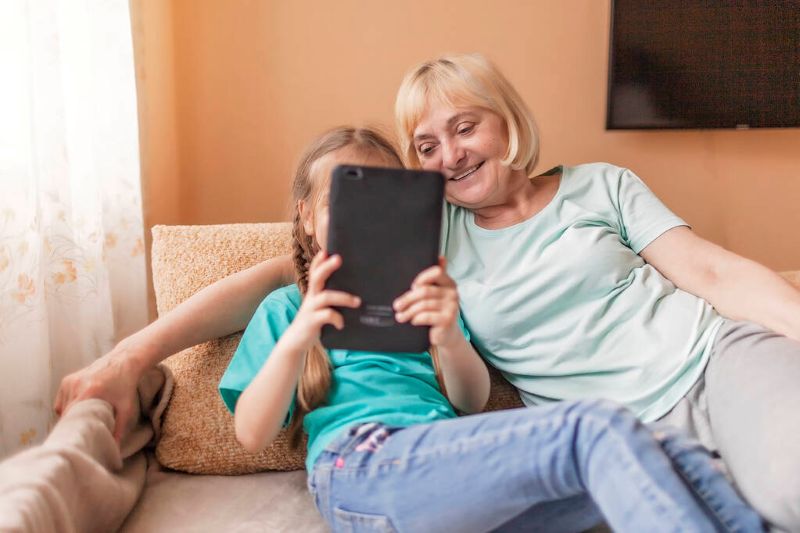
While the challenges of raising grandchildren are undeniable and often overwhelming, there are also profound and deeply fulfilling rewards that come with the role. Grandparents are given a unique second chance to experience the joys of childhood through new eyes. They get to witness firsthand and actively participate in watching their grandchildren grow, learn, and develop, celebrating every milestone and small victory. This close proximity allows them to form incredibly deep, unbreakable bonds that often transcend the traditional grandparent-grandchild relationship, becoming primary attachment figures.
Many grandparents find immense satisfaction in providing a stable, loving, and nurturing home environment, knowing they are offering a safe haven essential for their grandchildren’s well-being and future success. There’s a profound fulfillment in keeping their family together, preserving family ties, and ensuring that their grandchildren have a sense of belonging and continuity, especially when faced with disruptive life events. For some, it’s an opportunity for personal growth, rediscovering strengths they thought were long dormant, and finding renewed purpose in their lives. The unconditional love exchanged between grandparent and grandchild can be a powerful source of joy, resilience, and meaning, enriching the lives of all involved and creating a lasting legacy of care and commitment.
Conclusion
In conclusion, the trend of grandparents raising their grandchildren is a significant and growing phenomenon in Canada, reflecting both societal challenges and the extraordinary resilience and love within families. This silent army of caregivers offers an invaluable safety net for vulnerable children, providing stability and security when biological parents are unable to. While it presents unique and often profound challenges, from financial strain to emotional exhaustion, it also offers immense rewards: the deep bonds formed, the joy of witnessing growth, and the profound satisfaction of keeping families together. As this demographic shift continues, it is imperative that Canadian society acknowledges, respects, and comprehensively supports these grandparent caregivers. By expanding and refining support systems and resources, we can ensure that these unsung heroes are not left to shoulder their immense responsibilities alone, allowing them to continue to provide a stable and loving home for their grandchildren while also taking care of themselves, ultimately strengthening the fabric of Canadian communities for generations to come.
 Valerie Cox
  Sierra Powell