
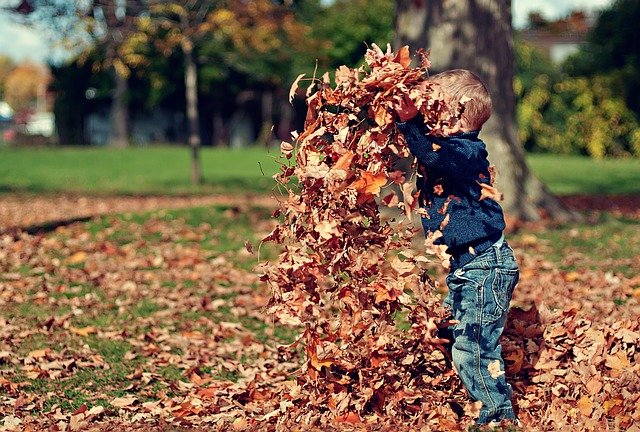
8 min read
1495 words
As a parent navigating the complexities of the 21st century, I am constantly faced with the challenge of balancing technology’s advantages with the primal need for hands-on experience. In a world where devices often serve as default babysitters and entertainment centers, the allure of the screen is undeniable—for both children and adults. However, after watching my own children thrive when given the freedom of the outdoors, I’ve arrived at a firm conviction: encouraging regular, unstructured outdoor play is one of the most effective, simplest, and deepest investments we can make in our children’s overall well-being. The benefits of spending time in nature are not merely nostalgic; they are foundational pillars for holistic development. From strengthening the immune system to fostering advanced problem-solving capabilities, the environment outside the four walls of our homes acts as a powerful, free, and infinitely adaptable classroom. This is not just about avoiding screens; it is about actively seeking out powerful developmental opportunities. Based on my experience and extensive research into child development, here are the five core reasons why I have prioritized the great outdoors for my children, and why every parent should, too.
Foundations for a Healthy Life
The most immediate and easily recognizable benefits of outdoor activity are physiological. While organized sports offer structure, unstructured play offers a comprehensive, organic approach to physical fitness that often yields better long-term results because it connects movement directly with joy.
Enhanced Physical Health
Outdoor play is, quite simply, the engine of physical development. It transforms necessary physical activity into exhilarating fun, encouraging children to move aggressively and extensively without realizing they are “exercising.”
The activities inherent to outdoor play—running across uneven terrain, climbing playground structures, jumping over puddles, or balancing on logs—are crucial for developing gross motor skills. These movements engage large muscle groups, rapidly improving cardiovascular health and endurance. Unlike the predictable movements of a treadmill or a structured gym class, nature demands adaptability, forcing children to constantly adjust their balance, depth perception, and reaction time. This dynamic adaptation is key to building strong coordination and proprioception (the body’s sense of where it is in space).
Furthermore, regular movement outdoors plays a vital role in bone density and muscle scaffolding. The weight-bearing, high-impact activities common in play—like sprinting and jumping—signal to the bones to increase mineral absorption, helping to combat the growing concerns of sedentary lifestyles, muscle weakness, and childhood obesity. By making physical activity a spontaneous and enjoyable part of their daily routine, we are not just addressing current fitness levels; we are building habits that combat chronic disease and promote vitality throughout their adult lives.
Cultivating Mental and Emotional Resilience
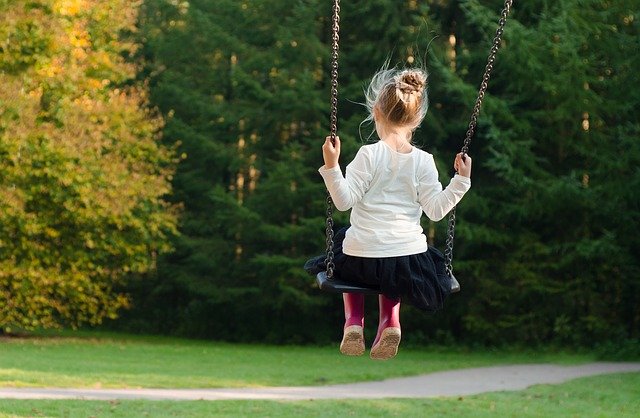
The restorative power of fresh air and natural light is profound. While we often focus on the physical dangers of “screen time,” the mental and emotional costs of inadequate “green time” are equally significant. Nature acts as a natural buffer against stress and complexity, promoting focus and internal regulation.
Boosted Mental and Emotional Well-being
The scientific link between nature and mood is well-documented. Exposure to sunlight is vital for the synthesis of Vitamin D, a nutrient critical not only for bone health but also for the regulation of neurotransmitters like serotonin, which plays a major role in mood stability and happiness. A simple 30 minutes in the sun can help regulate circadian rhythms, contributing to better sleep quality and overall resilience.
Outdoor environments offer a unique form of stress relief. When children are allowed to run, shout, and explore freely, they are naturally discharging pent-up energy and stress hormones (like cortisol). This process is known as restoration theory, which posits that exposure to natural scenes and environments allows the attention system—which is heavily fatigued by the concentrated focus demanded by screens and structured tasks—to rest and recover. The expansive, non-demanding sensory input of nature (the sounds of birds, the smell of grass) is incredibly calming.
The unstructured nature of outdoor play is also a powerful tool for developing independence and self-reliance. When kids build a dam in a stream or navigate a tricky climbing wall, they are engaging in natural risk assessment and problem-solving. Successes build confidence, while failures offer low-stakes opportunities to learn resilience and emotional management, fostering a more positive, flexible, and resilient attitude toward challenges in general.
Improved Social Skills
Playgrounds and parks function as miniature societies where the rules of interaction are learned and rehearsed in real-time. Unlike the structured, adult-led environment of a classroom or organized sport, outdoor free play necessitates genuine cooperation and conflict resolution, often without immediate adult intervention.
When children attempt to play a game of tag, build a massive fort out of found objects, or decide who gets to swing highest, they are engaging in complex social negotiations. They must learn to articulate their needs, listen to others’ ideas, share resources (like shovels or shared space), and manage disappointment when their idea isn’t chosen.
These spontaneous interactions are foundational for developing empathy. Watching a friend struggle up a hill or cheering them on from the sidelines provides vital lessons in recognizing and responding to others’ emotions. They learn crucial communication skills and the art of compromise—skills that are notoriously difficult to teach formally but flourish effortlessly when necessity dictates collaboration. These independent negotiations help children move from egocentric thought toward a genuinely communal mindset, essential for navigating complex social situations throughout life.
The Classroom Without Walls
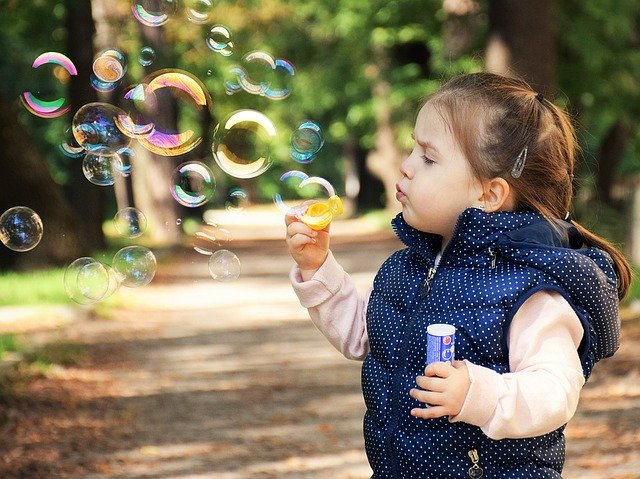
The ultimate advantage of nature as an educational setting is its boundless capacity to stimulate the mind. The natural world presents infinitely complex variables, ensuring that no two playtimes are ever exactly the same, which continuously feeds curiosity and intellectual development.
Sparked Creativity and Imagination
Nature is the ultimate provider of “loose parts”—materials that can be manipulated, combined, and reimagined in endless ways. A simple stick, which is simply a piece of wood indoors, can become a fishing pole, a steering wheel, a magic wand, or a surgical tool when taken outside. A pile of pine needles transforms into currency, or a roof for a miniature village.
This necessity to assign function and narrative to natural materials fosters what psychologists call divergent thinking—the ability to generate multiple solutions to an open-ended problem. Unlike screen-based games, which offer structured narratives and defined objectives, outdoor play demands that the child create the rules, the story, and the world itself. This self-directed, imaginative play builds strong narrative constructs, enhances symbolic representation capabilities, and fuels the ability to “think outside the box,” which are core characteristics of entrepreneurial spirit and innovation later in life.
The complexity and sensory richness of the outdoor environment also stimulate cognitive processes far more than predictable indoor settings. Whether they are counting pebbles, identifying different leaf types, or observing the direction of water flow, children are constantly gathering and processing data, naturally enhancing their powers of observation and deduction.
Connection with Nature and Environmental Stewardship
In an increasingly artificial world, fostering a deep, tangible relationship with the natural environment is crucial for raising environmentally conscious citizens. Outdoor play provides the direct, visceral experiences necessary to build this connection.
When children spend time outdoors, they are not just looking at pictures of animals or reading facts about trees; they are experiencing the ecosystem first-hand. They learn about seasons by feeling the wind shift, they learn about biology by turning over rocks and finding bugs, and they learn about physics by watching how a self-made raft floats in a stream. This intimate knowledge sparks genuine biophilia—the innate human tendency to be attracted to life and living systems.
This connection does more than simply provide educational facts; it fosters a sense of wonder, curiosity, and, most importantly, responsibility. When a child feels personally connected to a patch of woods or a community garden, they are far more likely to become fierce advocates for its preservation. By allowing them the space to appreciate the beauty and complexity of the natural world, we are nurturing the next generation of environmental stewards who possess not just academic knowledge, but a deep, personal motivation to protect the planet.
Conclusion: Ditching the Screen for the Sublime
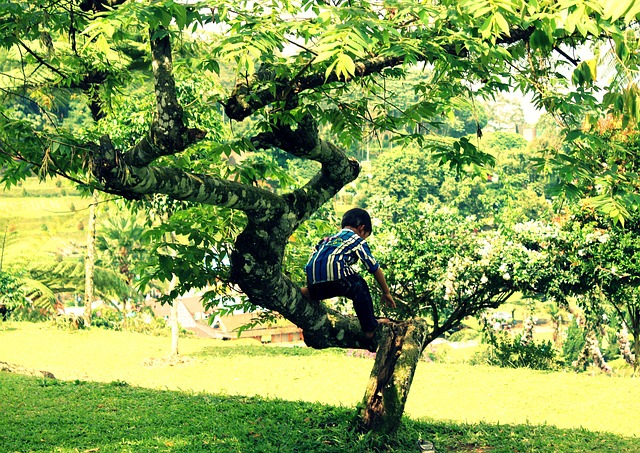
The irony of the digital age is that while we search for complex solutions to support our children’s development—from expensive tutors to high-tech learning programs—the most powerful tool remains the simplest: the unstructured freedom of the outdoors.
Encouraging outdoor play is not merely a break from the routine; it is a foundational necessity for developing well-rounded, healthy, intelligent, and emotionally balanced children. The cumulative benefits—from building strong muscle and cardiovascular health to cultivating advanced social negotiation skills and fostering a deep respect for the environment—are undeniable and interconnected.
So, let’s consciously counter the pull of the glowing screen. Let’s make time in the schedule for dirt under the fingernails, wind-blown hair, and the sound of laughter echoing through the trees. Give your children the priceless gift of the great outdoors—it is where true thriving begins.
 Sierra Powell