

4 min read
720 words
Relocating to a new duty station presents unique challenges and opportunities for service members and their families. Between coordinating military orders, managing household goods, and settling into a new community, the process can feel overwhelming. A well-structured moving plan not only minimizes stress but also preserves morale and readiness. By breaking down the relocation into manageable stages, including preparation, logistics, housing, and family support, service members can focus on what matters most: mission success and family well-being. This article outlines essential strategies to create a seamless transition for your entire household.
Understanding the Military Move Cycle
Every military move begins with official orders, followed by a cascade of deadlines and entitlements. First, review your Permanent Change of Station (PCS) orders carefully, noting reporting dates and allowable travel days. Engage with your installation’s transportation office to understand weight allowances for household goods and Personally Procured Move (PPM) guidelines. Take advantage of pre-move counseling offered by Military OneSource or family readiness centers, which will clarify paperwork requirements and timeline milestones. Building familiarity with the move cycle empowers service members to plan ahead, avoid last-minute surprises, and ensure compliance with Department of Defense regulations.
Building a Detailed Timeline
A comprehensive timeline is the backbone of any stress-free move. Start by creating a calendar that charts key events: when to request leave, book temporary lodging, and schedule home inspections. Divide tasks into weekly segments, such as researching moving companies which moving company to go with two months in advance and beginning the packing process one month before departure. Assign dates for ordering packing supplies, labelling boxes by room and content, and notifying utilities of disconnection or transfer. Incorporate buffer days for unforeseen delays like weather or shipment rescheduling. By mapping every activity against specific dates, you gain visibility into your progress and can adapt quickly when circumstances change.
Simplifying Logistics and Household Goods
Coordinating the shipment of household goods represents one of the most complex aspects of a PCS. To ease this process, sort and purge items well before pack-out day. Donate or sell belongings that no longer serve your family, reducing volume and potential costs. Confirm your move dates with the Transportation Service Provider (TSP) and review their packing and unpacking services. Keep an inventory of high-value or fragile items, and consider personally transporting heirlooms or essential electronics. For a smoother handoff, designate a point person, whether a spouse or trusted friend, to oversee delivery acceptance and inspect for damage at your new residence. Clear communication with the TSP and household members ensures accountability throughout transit.
Finding the Right Home and Community
Securing comfortable housing quickly is critical to restoring stability after arrival. Researching neighborhoods, schools, and amenities helps service members and their families make informed choices. Many installations and local relocation services maintain curated listings for military families. For those headed to Joint Base Lewis-McChord, exploring housing near JBLM can streamline your search by matching on-base benefits with nearby civilian options. Schedule virtual or in-person tours, gather landlord references early, and understand lease timelines relative to your reporting date. Establishing a home base promptly allows families to resume routines and integrate into the community with confidence.
Supporting Your Family Through Transition
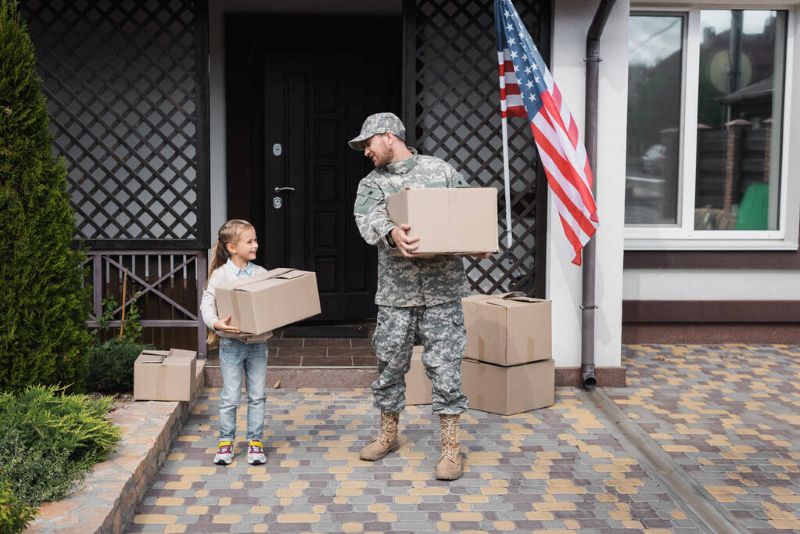
A successful move prioritizes emotional well-being as much as physical logistics. Involve your spouse and children in decision-making when appropriate, whether that means choosing box colors, mapping room layouts, or selecting local schools. Maintain open dialogue about the challenges of leaving friends and familiar surroundings, and establish family traditions for saying goodbye. On arrival, organize a welcome home routine: unpack key belongings first, explore the neighborhood together, and set aside time for shared meals. Utilize installation family support centers to connect with peer mentors, parent groups, or spouse networks. Fostering resilience and connection reduces anxiety and accelerates adjustment for every household member.
Conclusion
Moving as a service member offers both complexity and the promise of new beginnings. By understanding the military move cycle, building a detailed timeline, streamlining logistics, selecting the right housing, and supporting your family’s emotional needs, you can transform a potentially taxing process into a structured transition. A well-crafted plan not only ensures compliance with military requirements but also upholds family morale and unit readiness. Embrace each step with proactive coordination and clear communication, and you will arrive at your new duty station ready to thrive.
 Carly
Carly  Kayla Baptiste
  Nancy Whitmore