
8 min read
1554 words
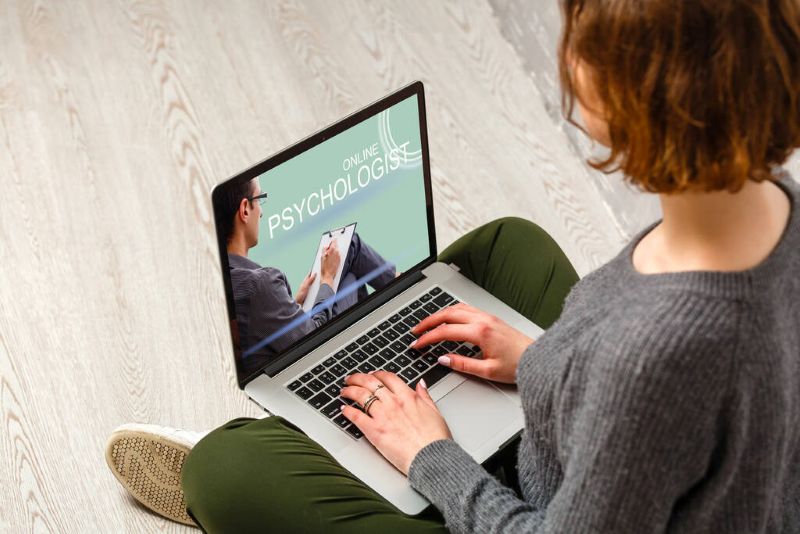
The world has changed dramatically over the past few years, and along with it, the way we approach our mental well-being. Gone are the days when therapy exclusively meant traveling to an office, sitting on a couch, and having in-person conversations. Enter online counseling – a revolutionary approach that has reshaped access to mental health support, bringing it right into our homes, our pockets, and our lives. But like any innovation, while it opens up incredible new possibilities, it also brings its own set of considerations. For many, the idea of discussing personal struggles through a screen might seem unconventional, while for others, it’s a lifeline. This article aims to explore the multifaceted landscape of online counseling, shedding light on both its remarkable benefits and its potential drawbacks, helping you decide if this modern approach is the right fit for your journey toward well-being.
The Digital Shift: A New Era of Support
The advent of high-speed internet, sophisticated video conferencing tools, and a global pivot towards digital solutions – accelerated by recent worldwide events – has made online counseling not just feasible but increasingly popular. It’s transformed from a niche offering to a mainstream option, providing a vital bridge for countless individuals seeking support. Whether you’re dealing with stress, anxiety, relationship issues, or simply need a safe space to talk, online platforms offer a compelling alternative to traditional face-to-face sessions. This accessibility has been a game-changer, but what exactly does it entail when we weigh the good against the not-so-good?
The Bright Side: Unpacking the Advantages of Online Counseling
One of the most compelling arguments for online counseling revolves around its sheer convenience and accessibility. Imagine needing to see a therapist but living in a rural area where mental health professionals are scarce. Or perhaps you have a physical disability that makes travel difficult, or a demanding job that leaves little time for appointments during standard office hours. Online therapy sweeps these barriers away.
- Unparalleled Accessibility: One of the standout benefits is its unparalleled accessibility. Online therapy dissolves geographical barriers, making mental health support available to individuals in remote areas, those with mobility challenges, or people whose schedules make travel difficult. This also broadens your choice of therapists, allowing you to connect with specialists who might not be available locally.
- Convenience and Flexibility: Forget the commute, parking, or rearranging your entire day for an appointment. Online counseling offers remarkable scheduling flexibility, with many therapists providing sessions outside typical 9-to-5 hours, perfectly accommodating busy lives, parents, or those with non-traditional work schedules. It integrates easily into your existing routine, making therapy a seamless part of your self-care.
- Potential for Affordability: While not universally true, online therapy can often be more cost-effective than traditional in-person sessions. Therapists might have lower overheads (no office rent, for example), and these savings can sometimes be passed on to clients. Beyond the session fee itself, you eliminate costs like transportation, parking, and potential time off work, which can add up significantly over time. Some subscription-based models also offer a different pricing structure that can sometimes be more budget-friendly.
- Comfort and Reduced Stigma: For many, the idea of walking into a therapist’s office can feel daunting, even stigmatizing. Online counseling provides a level of comfort and anonymity, allowing you to engage from the familiar environment of your own home. This can reduce apprehension and help individuals feel more relaxed, open, and less inhibited, making it easier to discuss sensitive topics. It can feel less like a formal medical appointment and more like a private conversation.
- Wider Range of Therapists: If you’re seeking a therapist with a specific specialization (e.g., trauma-informed care, LGBTQ+ affirmative therapy, CBT for anxiety) or someone who shares a particular cultural background, online platforms vastly expand your options beyond your local vicinity. This increased choice empowers you to find the best possible match for your unique journey, ensuring you receive care that truly resonates with your needs.
Navigating the Challenges: Potential Disadvantages of Online Therapy
While the appeal of online counseling is undeniable, it’s crucial to acknowledge that it isn’t a perfect solution for everyone, and it comes with its own set of potential drawbacks. Understanding these can help you make an informed decision and prepare for potential hurdles.
- Technical Glitches and Connectivity Issues: The smooth operation of online therapy is heavily reliant on technology. A poor internet connection, outdated software, or equipment failure can disrupt sessions, leading to frustration, wasted time, and a fragmented therapeutic experience. Dropped calls, frozen screens, and audio delays can be incredibly distracting and undermine the flow of conversation, making it difficult to fully engage or feel heard.
- Loss of Non-Verbal Cues: A significant part of human communication is non-verbal – body language, facial expressions, posture, and subtle gestures. In an in-person setting, therapists can observe these cues directly, which provides invaluable insight into a client’s emotional state. During online sessions, especially via video calls, some of these cues can be missed or misinterpreted due to camera angles, pixelation, or framing. This can make it challenging for the therapist to gauge the full emotional depth of a client’s experience, potentially affecting the therapeutic process. Phone-only sessions obviously compound this issue further.
- Privacy and Confidentiality Concerns: While reputable online platforms use encrypted connections, the issue of privacy extends beyond the technology. If you’re having a session at home, are you truly alone? Are housemates, family members, or even neighbors within earshot? Using shared devices or public Wi-Fi networks can also pose security risks. Ensuring a truly private and confidential space for your sessions can be a challenge for some individuals, which might inhibit their willingness to open up fully.
- Limitations in Crisis Situations: In cases of severe mental health crises, such as active suicidal ideation, psychosis, or severe self-harm, online counselors may be limited in their ability to intervene effectively. Unlike in-person therapy where a therapist can physically assist or call emergency services directly when a person is in the same room, online therapy creates a physical distance that can hinder immediate, critical support. While safety protocols are in place, the immediate response capability is reduced.
- Suitability for Certain Conditions: Online counseling might not be suitable for everyone or every condition. Individuals dealing with severe mental illnesses, complex trauma, severe personality disorders, or those who benefit from more intensive, hands-on therapeutic techniques (like art therapy or play therapy) may find online formats less effective. The medium itself might not lend itself to all therapeutic modalities or the level of connection required for deep, transformative work in all cases.
- Building Rapport Can Be Harder for Some: While many people find it easy to connect online, some individuals find it more challenging to build the deep, trusting rapport necessary for effective therapy through a screen. The subtle energy of a shared physical space, the nuances of a direct gaze, and the overall atmosphere of an in-person meeting can be crucial for establishing that foundational therapeutic relationship for certain individuals.
- Licensing and Legal Complexities: Therapists are typically licensed to practice within specific states or jurisdictions. If you travel or move, or if your therapist is licensed in a different state from yours, there can be legal and ethical complexities regarding the legality of continued sessions. This can limit your choice of therapist if you frequently cross state lines or live near a border.
Who is Online Counseling For?

Given these advantages and disadvantages, who benefits most from online counseling? It’s often an excellent option for individuals dealing with mild to moderate anxiety, depression, specific phobias, stress management, or those simply seeking general life coaching and self-improvement. It’s particularly well-suited for busy professionals, parents, students, or anyone whose schedule or location makes traditional therapy difficult.
Making the Most of Your Online Session
If you decide that online counseling is for you, here are a few tips to enhance your experience:
- Ensure Privacy: Find a quiet, private space where you won’t be interrupted and can speak freely. Use headphones if possible.
- Check Your Tech: Make sure your internet connection is stable, your device is charged, and your microphone/camera are working before your session starts.
- Communicate Openly: Don’t hesitate to discuss any technical issues or discomforts with your therapist.
- Understand Emergency Protocols: Discuss with your therapist what to do in case of an emergency or crisis.
Conclusion
Online counseling has undeniably revolutionized access to mental health support, offering a flexible, convenient, and often more accessible pathway to well-being for millions. Its myriad advantages, from breaking down geographical barriers to offering comfort within your own home, make it a powerful tool in today’s digital age. However, like two sides of the same coin, these benefits are balanced by important considerations such as technical reliance, the potential loss of non-verbal cues, and limitations in crisis situations.
Ultimately, there’s no single “best” way to engage in therapy; what works beautifully for one person might not be ideal for another. The key lies in understanding your own needs, your comfort level with technology, and the specific nature of the support you’re seeking. By thoughtfully weighing the significant advantages against the potential disadvantages, you can make an informed decision that empowers you to take control of your mental health journey, whether that path leads you to a virtual couch or a traditional one. The most important step is always to take that first step towards seeking support.
 Lynn Leblanc
  Kate M