

4 min read
755 words
The opioid crisis continues to cast a long shadow over Canada, representing one of the most pressing public health challenges of our time. The sheer scale of the crisis is starkly illustrated by grim statistics: a staggering total of 52,544 apparent opioid toxicity deaths were reported between January 2016 and December 2024. These figures are not just numbers; they represent countless lives lost and families irrevocably altered, underscoring the urgent need for comprehensive and evolving strategies to combat this devastating epidemic. Understanding the complex and dynamic nature of the drug supply, alongside the critical need for robust support systems, is paramount in shaping an effective response.
The Alarming Rise of Fentanyl and Polysubstance Use
The landscape of the opioid crisis has undergone significant and dangerous shifts, demanding constant vigilance and adaptation from public health authorities and communities alike. In 2024, a deeply concerning trend emerged, with 74% of all apparent opioid toxicity deaths involving fentanyl. This potent synthetic opioid, often mixed into other drugs without the user’s knowledge, has become a primary driver of fatalities due to its extreme potency and unpredictability. Even a tiny amount can be lethal, making illicit supply incredibly dangerous.
Compounding this threat is the alarming prevalence of polysubstance use. Data reveals that a significant 70% of opioid toxicity deaths also involved a stimulant drug. These stimulants can include highly addictive substances such as cocaine and methamphetamine, as well as prescription drugs like amphetamines. This co-occurrence of opioids and stimulants creates a particularly hazardous scenario. Stimulants can mask the initial depressant effects of opioids, leading individuals to consume larger quantities of opioids than intended. Conversely, the combined strain on the cardiovascular system can increase the risk of adverse events, while the complex interplay of these substances makes overdose reversal more challenging. The presence of multiple drugs in an individual’s system complicates treatment and emergency response, making it harder for first responders to discern the exact cause of overdose and administer the most effective interventions.
The increasingly toxic drug supply has had another critical consequence: it has significantly reduced the effectiveness of standard harm reduction tools. A typical dose of naloxone, a life-saving medication used to temporarily reverse an opioid overdose, is often no longer sufficient to counteract the effects of highly potent fentanyl or combinations of drugs. This necessitates multiple doses of naloxone and quicker emergency medical intervention, placing increased pressure on overdose response services and highlighting the urgency of preventing overdoses in the first place.
A Holistic Approach: Mental Health Care and Overdose Prevention
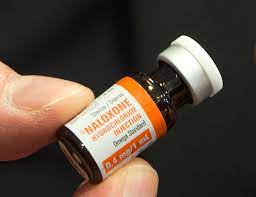
Addressing the opioid crisis requires a multifaceted and compassionate approach that extends beyond immediate overdose reversal. A critical component in reducing opioid deaths is improving access to mental health care. There is a well-established and profound link between mental health challenges and substance use. Many individuals turn to drugs or alcohol as a means of self-medication to cope with trauma, anxiety, depression, chronic pain, or other underlying mental health conditions. Without accessible, comprehensive, and culturally sensitive mental health services, individuals are often left without the necessary tools or support systems to manage their distress, making them more vulnerable to harmful substance use. Integrating mental health care with substance use disorder treatment can provide a continuum of care that addresses the root causes of addiction, fosters resilience, and supports long-term recovery.
Beyond foundational mental health support, immediate and confidential resources are vital for overdose prevention. The National Overdose Response Service (NORS) stands as a crucial lifeline for Canadians. NORS is an overdose prevention hotline providing loving, confidential, and nonjudgmental support for individuals, whenever and wherever they use drugs. By calling 1-888-688-NORS (6677), individuals who are planning to use drugs alone can connect with a trained operator who will stay on the line. If the individual becomes unresponsive, the operator can alert emergency services, potentially saving a life. This service exemplifies a harm reduction approach, acknowledging the reality of drug use and offering a vital safety net to prevent fatal outcomes.
The relentless rise in opioid toxicity deaths, driven by an increasingly toxic and complex drug supply, demands a concerted and evolving national response. While immediate harm reduction measures like naloxone distribution and supervised consumption sites remain essential, the long-term solution critically hinges on addressing the underlying societal and health determinants of substance use. By prioritizing and expanding access to comprehensive mental health care and bolstering vital community resources like NORS, Canada can move towards a future where fewer lives are lost to this preventable tragedy, fostering a society that supports health, recovery, and compassion for all its members.
 Lynn Leblanc
  Kim Monroe