
5 min read
968 words
As the world increasingly turns towards sustainable energy, solar panels have become a ubiquitous feature on rooftops everywhere. They represent a significant investment in both financial terms and environmental responsibility, promising decades of clean, renewable power. However, beneath their sleek, reflective surfaces lies a vulnerability often overlooked by many homeowners and businesses: damage from birds. While these feathered friends are a welcome sight in many gardens, their presence beneath or on solar panels can lead to a surprising array of problems, ranging from efficiency loss to serious structural damage and even fire hazards. Understanding these risks and implementing effective bird-proofing measures is not just about nuisance control; it’s about safeguarding your energy investment, ensuring peak performance, and extending the lifespan of your valuable solar array.
The Hidden Costs of Bird Infestations
When birds, particularly pigeons, discover the sheltered, warm, and secure space beneath your solar panels, they often decide it’s the perfect spot to build nests. This seemingly innocuous act can initiate a cascade of problems, leading to significant financial drawbacks and operational inefficiencies.
Firstly, a primary concern is the reduction in energy efficiency. Bird droppings, twigs, and nesting materials accumulate on the panel surfaces, casting shadows and blocking sunlight. Even partial shading can dramatically reduce the output of an entire string of panels, as the least productive cell dictates the overall output. This means your system isn’t generating the amount of electricity it was designed for, directly impacting your return on investment and potentially increasing your utility bills. Studies have shown that even minor obstructions can lead to a 10-25% drop in efficiency, a considerable loss over time.
Secondly, the presence of birds can lead to costly repairs. Nests built under panels are often packed tightly, trapping heat that needs to dissipate for optimal panel performance. This trapped heat can accelerate the degradation of the panel’s components, reducing their lifespan. More critically, birds often peck at and damage electrical wiring. Exposed wires pose a severe fire risk, as well as a hazard to anyone servicing the panels. The accumulation of flammable nesting materials further exacerbates this danger. Furthermore, the corrosive nature of bird droppings can slowly degrade the panel’s glass surface or aluminum frames, leading to permanent damage and necessitating expensive replacements long before their expected end-of-life. Repairing electrical faults, replacing damaged panels, or extensive cleaning can incur significant labor and material costs, far outweighing the initial investment in bird proofing.
Finally, bird activity can void warranties. Many solar panel manufacturers and installers specify conditions under which their warranties remain valid. Damage caused by neglect, such as allowing pests to infest the system, might not be covered. This places the financial burden of repairs squarely on the owner, transforming a minor issue into a major fiscal headache. The cumulative effect of reduced energy output, ongoing cleaning and repair costs, and potential warranty invalidation paints a clear picture: bird infestations pose a substantial hidden cost to solar panel owners.
Proactive Solutions for Lasting Protection
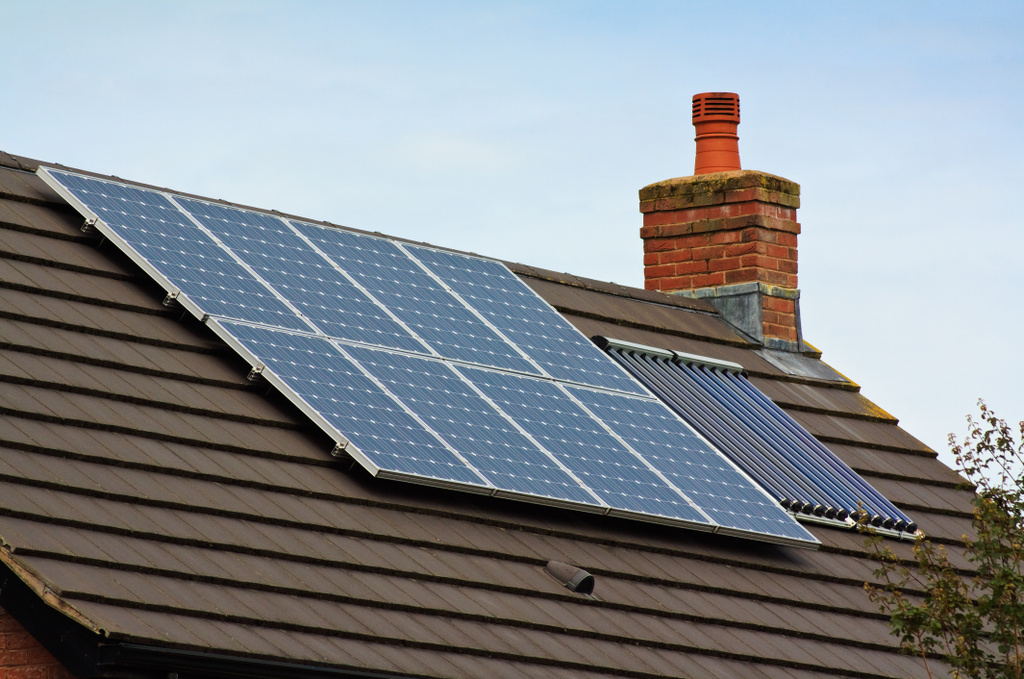
Fortunately, protecting your solar panels from bird damage is a straightforward and highly effective process, primarily involving the installation of physical barriers. Proactive measures not only prevent problems before they start but also ensure the long-term optimal performance and safety of your solar investment.
The most effective and widely adopted solution is solar panel bird netting or skirting. This involves installing a durable, weather-resistant mesh or specialized skirting material around the perimeter of your solar array, effectively closing off the gap between the panels and the roof. This barrier prevents birds from gaining access underneath the panels, eliminating nesting opportunities and the associated issues of droppings, debris, and wiring damage. The mesh is typically made from galvanized steel or UV-resistant PVC-coated wire, ensuring longevity and resistance to harsh weather conditions. It’s crucial that this material is robust enough to withstand persistent bird attempts to dislodge it and securely fastened so it doesn’t shift over time.
While other deterrents like bird spikes (which can be used on panel edges, though less common for under-panel access) or sonic/ultrasonic devices exist, they are generally less reliable or effective for preventing under-panel nesting. Physical exclusion via netting or skirting remains the gold standard because it completely removes access, rather than just attempting to deter.
When considering bird proofing, professional installation is highly recommended. Working on roofs, especially with electrical components, carries inherent risks. Experienced solar technicians or pest control specialists who are trained in solar panel bird proofing will ensure the job is done safely and correctly. They possess the right tools and expertise to install the mesh neatly and securely, ensuring it doesn’t interfere with the panel’s functionality, ventilation, or warranty. Improperly installed mesh can leave gaps, shift, or even damage the panels themselves, negating its purpose. Furthermore, a professional installation often comes with a warranty on the workmanship and materials, offering added peace of mind.
Beyond initial proofing, regular inspections and cleaning are essential. Even with robust bird proofing, it’s good practice to periodically check the system for any signs of damage to the mesh or accumulation of debris on the panel surfaces. This preventative maintenance ensures that your solar array continues to operate at peak efficiency, year after year, guaranteeing the maximum return from your renewable energy investment.
In conclusion, while solar panels offer a powerful path to energy independence and environmental stewardship, they are not entirely immune to external threats. Bird infestations, though seemingly minor, can significantly undermine their performance, longevity, and safety. By implementing proactive and proven bird-proofing solutions, particularly professional-grade solar panel skirting, you’re not just preventing a nuisance; you’re actively protecting your financial investment, maximizing your energy yield, and ensuring your solar array continues to power your future cleanly and efficiently for decades to come. Don’t let feathered friends nest away your savings – secure your solar future today.
 Carly
Carly