
6 min read
1070 words
The health impacts of mold exposure are diverse and can range from mild irritations to severe chronic conditions, often depending on the type of mold, the level and duration of exposure, and individual sensitivity. Because mold spores are airborne and often invisible, people can be exposed without even realizing it until symptoms begin to manifest.
The most common health issues associated with mold revolve around allergic reactions. When mold spores are inhaled, the immune system of a sensitive individual can overreact, triggering symptoms similar to hay fever. These can include:
- Respiratory Symptoms: Sneezing, runny or stuffy nose, itchy or watery eyes, throat irritation, and a persistent cough.
- Asthma Exacerbation: For individuals with asthma, mold exposure can directly trigger asthma attacks, leading to wheezing, chest tightness, and shortness of breath. Prolonged exposure can also worsen chronic asthma.
- Skin Irritation: Rashes, hives, and itchy skin can occur from direct contact with mold or from airborne spores settling on the skin.
Beyond allergies, mold can cause irritant effects in anyone, regardless of allergic sensitivity. Mold produces volatile organic compounds (VOCs), which are responsible for the distinctive “musty” odor often associated with mold. These VOCs can irritate the mucous membranes of the eyes, nose, throat, and lungs, leading to symptoms like burning eyes, a sore throat, and headaches.
Vulnerable populations are particularly at risk. Infants, young children, the elderly, pregnant women, and individuals with compromised immune systems (e.g., those undergoing chemotherapy, HIV/AIDS patients, organ transplant recipients) are more susceptible to the adverse effects of mold. For them, even seemingly harmless mold exposure can lead to more severe respiratory infections, such as bronchitis or pneumonia, and generally worsen existing health conditions. People with pre-existing respiratory conditions like COPD or cystic fibrosis also face heightened risks from mold exposure.
Beyond Allergies: Deeper Health Implications and Mycotoxins
While allergic and irritant reactions are the most widely recognized health effects of mold, the conversation doesn’t end there. A more complex and often debated aspect of mold exposure involves mycotoxins. Mycotoxins are toxic secondary metabolites produced by certain types of mold that can cause harm to humans and animals. Not all molds produce mycotoxins, and even those that can, don’t always do so. However, when present, these microscopic toxins can become airborne, inhaled, or even ingested, potentially leading to more systemic and severe health issues.
The long-term effects of chronic low-level mycotoxin exposure from indoor mold are an area of ongoing scientific research and considerable debate. While the direct causal link between indoor mold mycotoxins and severe, life-threatening diseases in otherwise healthy individuals is not yet fully established or universally accepted in the scientific community, a growing body of evidence and clinical observations suggests a broader impact on health. Some symptoms reported by individuals living in mold-infested environments, and attributed by some clinicians to mycotoxin exposure, include:
- Neurological Symptoms: Persistent fatigue, “brain fog,” memory problems, difficulty concentrating, headaches, dizziness, and mood disturbances like anxiety and depression.
- Immune System Dysfunction: Chronic inflammation, increased susceptibility to infections, and autoimmune-like symptoms.
- Gastrointestinal Issues: Nausea, vomiting, diarrhea, and abdominal pain.
- Systemic Multi-System Complaints: Joint pain, muscle aches, nerve pain, and a general feeling of malaise.
One area of particular interest is Chronic Inflammatory Response Syndrome (CIRS), sometimes referred to as “mold illness.” This is a complex, multi-system illness believed to be caused by exposure to biotoxins, including mycotoxins, in genetically susceptible individuals. CIRS is characterized by a persistent inflammatory state that can affect virtually any organ system in the body, leading to a wide array of debilitating symptoms which often defy conventional diagnosis. While the diagnosis and treatment of CIRS remain controversial among medical professionals, it highlights the potential for mold to trigger more profound and complex health responses in certain individuals.
It’s crucial to emphasize that while direct severe systemic illness from mycotoxins in home environments is still under rigorous study, the established allergic and irritant effects of mold significantly impact quality of life and general health for millions. Acknowledging the full spectrum of potential health issues, from common allergies to more complex conditions potentially linked to mycotoxins, underscores the importance of addressing mold proactively.
Identifying and Addressing Mold in Your Home
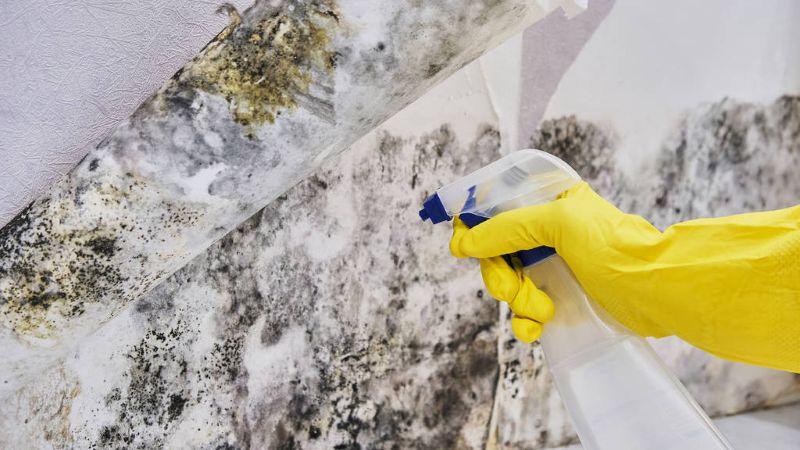
Given the potential health risks, it’s vital to be vigilant about mold in your home. Often, the first sign of mold is its distinctive musty odor, even if you can’t see it. Visible signs include patches of discoloration on walls, ceilings, floors, or around windows. Mold can also hide in less obvious places: behind drywall, under carpets, in insulation, in basements or crawl spaces, and in attics. If you suspect mold but can’t see it, a professional mold inspection may be necessary.
Prevention is key:
- Control Moisture: Fix leaks immediately—roof leaks, plumbing leaks, and foundation leaks. Ensure gutters are clean and direct water away from your home.
- Manage Humidity: Maintain indoor humidity levels between 30-50%. Use dehumidifiers in damp areas like basements and open windows or use exhaust fans in bathrooms and kitchens.
- Ensure Proper Ventilation: Adequate airflow helps dry out moisture.
- Clean and Dry Promptly: If a spill or flood occurs, clean and dry affected areas within 24-48 hours to prevent mold growth.
- Regular Cleaning: Clean and dry bathrooms, showers, and other high-moisture areas regularly.
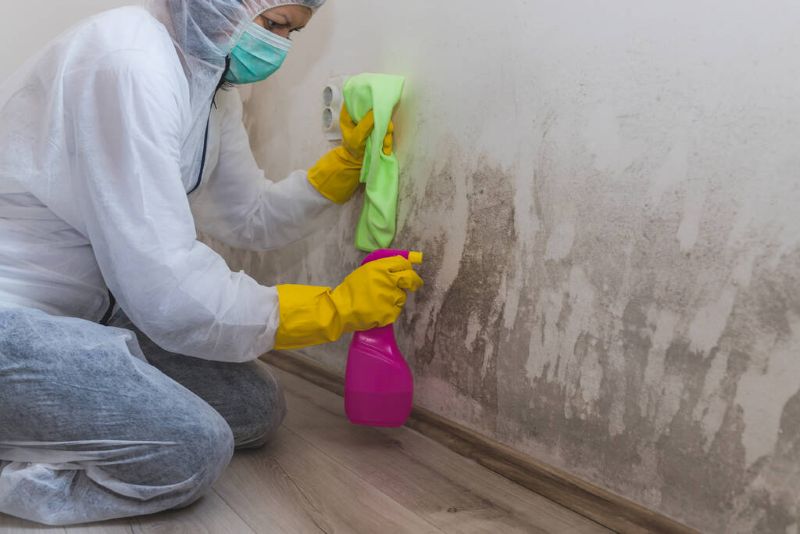
For small mold infestations (less than 10 square feet), you can often clean it yourself using appropriate personal protective equipment (gloves, N95 mask, eye protection) and a detergent solution. However, for larger areas or if you suspect mold behind walls or within HVAC systems, it is strongly recommended to hire professional mold remediation specialists. They have the expertise and equipment to safely contain and remove mold, preventing its spread and ensuring your home is restored to a healthy state.
Conclusion
Mold is far more than an aesthetic problem; it’s a living organism with the potential to significantly impact the health and well-being of your household. From common allergic reactions and respiratory irritation to potentially deeper, systemic issues linked to mycotoxins, the silent invader can compromise the sanctuary you call home. By understanding where mold thrives and the diverse ways it can affect health, you empower yourself to take proactive steps. Prioritizing moisture control, diligent cleaning, and professional remediation when necessary aren’t just about maintaining your property; they’re essential investments in the health and safety of everyone under your roof. Don’t let the silent invader stealthily undermine your family’s health—take action to ensure your home remains a safe and mold-free haven.
 Leo Allen
  Carly
Carly