

7 min read
1386 words
The constant hum of traffic, the distant sirens, the chatter of neighbours – for many of us living in urban or even suburban areas, noise pollution is an inescapable reality. While we might associate it with concrete jungles, the truth is, unwanted sound can intrude into our lives wherever we are. The good news? You don’t need to invest in expensive soundproofing studios or move to a remote cabin to reclaim your peace and quiet. Your home’s windows and doors, often overlooked as mere architectural features, are actually powerful tools in your battle against noise pollution.
This isn’t just about escaping the din; it’s about creating a sanctuary within your own four walls. Excessive noise can lead to stress, sleep disturbances, reduced productivity, and even long-term health issues. By understanding how your windows and doors contribute to or mitigate noise intrusion, you can make informed choices that significantly improve your living environment. Let’s delve into how these seemingly simple elements can be your secret weapon in the fight for tranquility.
The Unseen Intruder: How Sound Travels Through Your Home
Before we explore the solutions, it’s crucial to understand how noise enters your home. Sound travels in waves. When these waves encounter a barrier, some of the energy is reflected, some is absorbed, and some passes through. The effectiveness of a barrier in blocking sound depends on several factors, including its mass, density, and the presence of any gaps or weak points.
Think of your existing windows and doors. Older, single-pane windows with thin frames are notoriously poor at blocking sound. They offer minimal mass and are prone to air leaks, which are essentially highways for sound waves. Similarly, hollow-core doors or those with poorly fitted seals will allow noise to seep in easily. The vibrations of external noise are transmitted through the materials of your windows and doors, and any small opening can amplify the problem. This is why simply closing a window might offer some relief, but it rarely eliminates noise entirely.
The Power of the Pane: Optimizing Your Windows for Sound Reduction
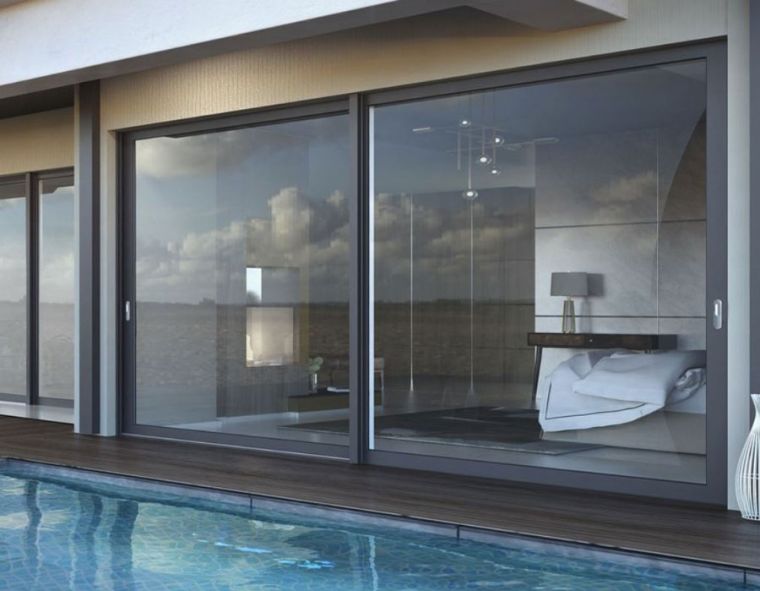
When it comes to windows, the type of glass and the construction of the frame play paramount roles in their soundproofing capabilities.
1. Glazing Options: The Heart of Sound Insulation
- Double and Triple Glazing: This is the most significant upgrade you can make. Instead of a single pane of glass, double-glazed units have two panes separated by a sealed gap. Triple glazing takes this a step further with three panes. The air or inert gas (like argon or krypton) trapped within these gaps acts as a buffer, absorbing and reflecting sound waves more effectively than a single pane. The wider the gap between the panes, generally the better the sound insulation.
- Laminated Glass: This type of glass consists of two or more panes bonded together with a plastic interlayer, typically PVB (polyvinyl butyral). This interlayer is key to its acoustic performance. When sound waves hit laminated glass, the plastic layer absorbs and dissipates the vibrational energy, significantly reducing the amount of sound that passes through. Laminated glass is often used in building codes for areas with high noise levels, such as near airports or busy highways.
- Acoustic Glass: This is a specialised form of laminated glass designed specifically for superior sound insulation. It uses thicker panes and specifically engineered interlayers to offer the highest levels of noise reduction. If noise pollution is a major concern, acoustic glass should be at the top of your list.
- Wider Spacing: For double and triple glazed units, the distance between the glass panes matters. A wider gap (typically 10mm or more) can offer better sound insulation than a narrow one. Combining different pane thicknesses in a double or triple glazed unit can also be highly effective, as different thicknesses are better at blocking different sound frequencies.
2. Frame Materials and Design: More Than Just Support
The frame of your window is just as important as the glass itself.
- Material Matters: uPVC and aluminium frames, especially those with multiple chambers, offer better sound insulation than traditional timber frames, as they are denser and less prone to vibration. Aluminium frames, when thermally broken (meaning a non-metallic material separates the inner and outer parts of the frame), can also be very effective. High-quality timber frames can also offer good acoustic performance, but they require more maintenance and may not be as effective as uPVC or aluminium in very noisy environments.
- Multi-Chambered Profiles: uPVC frames often feature internal chambers. These air pockets act as additional sound barriers, further dampening noise before it reaches the glass.
- Sealing is Crucial: The effectiveness of any window is severely compromised by poor sealing. High-quality windows will have robust, multi-point seals around the entire opening and between the glass and the frame. These seals prevent air (and therefore sound) from leaking in or out. Look for windows with durable, flexible gaskets designed to maintain their integrity over time.
Fortifying Your Entryways: Doors as Sound Barriers
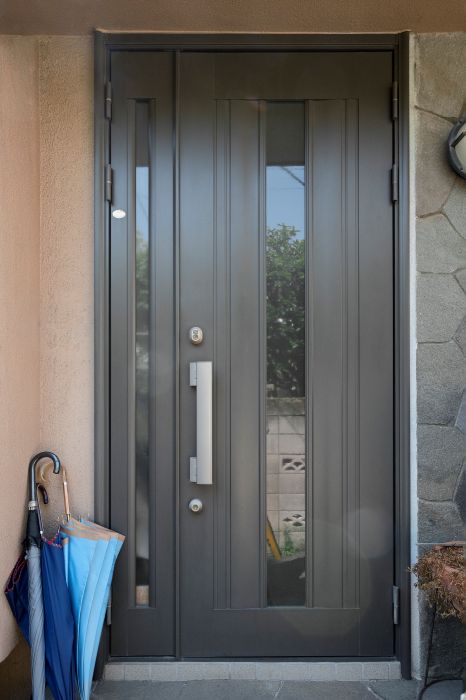
Just like windows, your doors are potential weak points for noise intrusion. However, upgrading your doors can offer a substantial improvement in acoustic comfort.
1. Door Construction: The Foundation of Silence
- Solid Core Doors: This is the single most important factor when choosing a sound-insulating door. Unlike hollow-core doors, which are essentially empty with a thin skin, solid core doors are filled with a dense material such as particleboard, wood composite, or engineered lumber. This mass is crucial for blocking sound waves. The heavier the door, the better it will perform acoustically.
- Material Variety: While solid wood doors can offer good sound insulation, engineered wood composite doors often provide a more consistent and higher level of acoustic performance due to their density. Metal doors can also be effective, but they can sometimes transmit vibrations more readily if not properly insulated.
2. Sealing and Gaps: The Unsung Heroes
Even the most solid door will fail as a sound barrier if there are gaps around its perimeter.
- Weatherstripping: High-quality, continuous weatherstripping around the door frame is essential. This flexible material creates a tight seal when the door is closed, preventing sound from leaking through the gaps between the door and the frame. Look for durable, long-lasting materials like EPDM rubber or silicone.
- Door Sweeps and Bottom Seals: Don’t forget the bottom of the door! A well-fitted door sweep or an automatic door bottom that drops down to seal against the threshold when the door is closed can dramatically reduce noise infiltration. This is particularly important for external doors where ground-level noise is a concern.
- Thresholds: The threshold itself should be designed to create a good seal with the bottom of the door. Some thresholds have an integrated seal that works in conjunction with the door sweep.
3. Double Doors and Vestibules:
For extreme noise issues, consider a more comprehensive approach. Installing a second, solid-core door to create a vestibule or airlock can significantly improve sound insulation. The air gap between the two doors, much like with double glazing, acts as an additional buffer zone for sound.
Beyond Replacement: Enhancements for Existing Windows and Doors
If a full replacement isn’t feasible right now, there are still steps you can take to improve the acoustic performance of your current windows and doors:
- Seal Gaps: Use acoustic caulk or weatherstripping to seal any visible gaps around window frames and door jambs. Even small cracks can let in a surprising amount of noise.
- Add Mass: For windows, consider adding secondary glazing panels that attach to the inside of your existing windows. These act like an internal double-glazing system. Heavy, lined curtains can also help to absorb some sound, although their effect is more limited than dedicated glazing.
- Maintain Seals: Check existing weatherstripping and seals. Replace any worn or cracked components.
- Draft Excluders: For doors, use draft excluders at the bottom to block air and sound.
In conclusion, your windows and doors are far more than just passive elements of your home’s design. By understanding the principles of sound transmission and opting for well-designed, appropriately specified windows and doors, you can transform your home from a vulnerable structure into a peaceful sanctuary. Investing in quality glazing, solid core doors, and meticulous sealing is not just about aesthetics or security; it’s an investment in your well-being, your health, and your ability to enjoy the quiet moments that make a house a true home.
 Carly
Carly