

4 min read
679 words
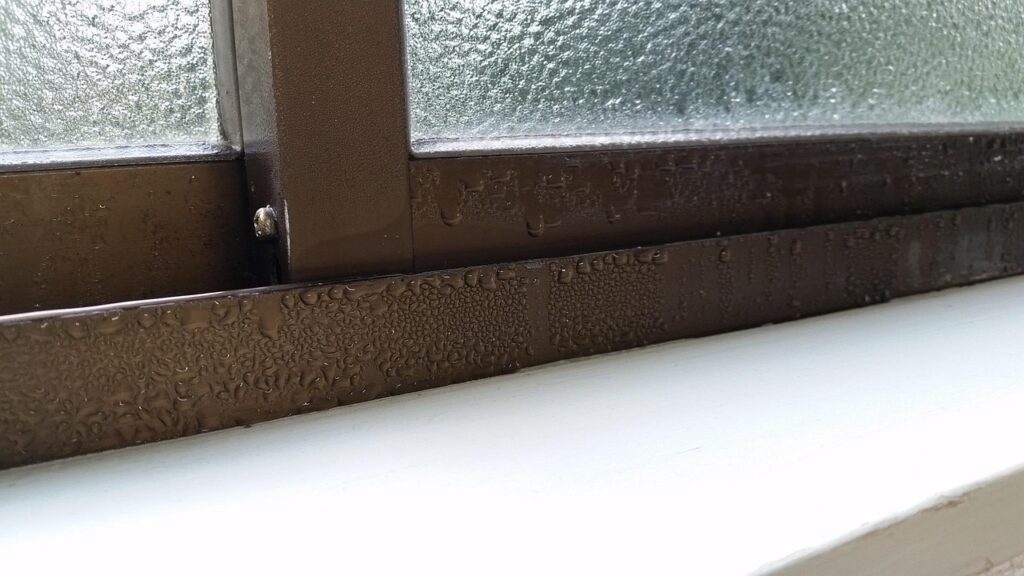
As the temperature drops, you might start to notice a familiar sight: your windows are “sweating.” That layer of fog, condensation, or even beads of water on the inside of your glass is a common occurrence in winter. But while it may seem harmless, it’s a sign of excess moisture in your home—and a potential invitation for problems. So, what causes it? Condensation forms when warm, moist air inside your home comes into contact with a cold surface, like your windowpane. As the air cools against the glass, it can no longer hold all its moisture, which is then released as water droplets. This isn’t just an obstructed view; it’s a warning sign that can lead to more serious issues if left unaddressed.
The Hidden Danger: Why You Should Care About Condensation
That moisture collecting on your windows and sills is the perfect breeding ground for mold and mildew. Mold will thrive whenever and wherever it has the opportunity, and it can begin growing on window frames, sills, and even adjacent drywall. It should be removed as soon as possible—otherwise, it will continue to grow, potentially causing damage to your home and impacting your indoor air quality. Persistent moisture can cause wood frames to rot, paint to peel, and create an unhealthy living environment. Tackling condensation is a key step in protecting both your property and your well-being.
How to Prevent or Reduce Condensation on Windows
The good news is that you can combat window condensation with a few simple, proactive steps. The strategy is twofold: improve air circulation and reduce the overall humidity in your home.
Promote Better Air Circulation
Stagnant air is one of condensation’s best friends. When air is trapped against a cold window, it cools down quickly and releases its moisture. By getting the air moving, you can help keep your window surfaces warmer and drier.
- Open Your Curtains: Your first line of defense is one of the easiest. Keep your curtains and blinds open during the day. This allows the warm air from your home’s heating system to circulate freely over the glass, raising its surface temperature and preventing moisture from forming.
- Use Your Ceiling Fans: Ceiling fans aren’t just for summer. Most have a switch that reverses the blade direction. In winter, running them at a low speed in a clockwise direction will gently push warm air that has risen to the ceiling back down into the room, promoting a more even temperature and better airflow.
- Leave Interior Doors Open: To prevent moisture from becoming trapped in bathrooms, laundry rooms, or kitchens, leave interior doors open whenever possible. This encourages whole-house air circulation, allowing humidity to disperse rather than concentrate in one area.
Actively Reduce Indoor Humidity
While circulation is crucial, the most effective long-term solution is to reduce the amount of moisture in your indoor air to begin with. The ideal indoor humidity level during winter is between 30% and 40%. If a hygrometer (a simple humidity-measuring device) shows your reading is consistently higher than 40%, it’s time to take action.
- Turn on Exhaust Fans: Your kitchen and bathroom are major sources of humidity. Always use the exhaust fan when you’re cooking, running the dishwasher, or taking a shower. Make sure these fans are vented to the outdoors, not just into the attic, to effectively remove the moist air from your home.
- Be Mindful of Moisture Sources: Simple daily activities can add a surprising amount of moisture to the air. If condensation is a persistent problem, consider air-drying laundry on a rack outside or in a well-ventilated room, covering pots while cooking to reduce steam, and limiting the number of indoor plants.
- Consider a Dehumidifier: If you’ve tried the steps above and still struggle with high humidity, a portable or whole-home dehumidifier can be an excellent investment for maintaining a healthy moisture balance in your home.
By taking these simple steps to manage airflow and humidity, you can say goodbye to sweaty windows and enjoy a clearer, healthier, and more comfortable home all winter long.
 Leo Allen
  Carly
Carly