
3 min read
564 words
It’s safe to say that homeownership comes with a mountain of challenges at times, especially for older homes or those built in the path of frequent adverse weather events. And for the most part, these home issues can be relatively minor and cosmetic. But sometimes there are more significant issues that crop up. One such problem most homeowners wish to never encounter is a shifting home. While movement in the foundations is completely normal as it settles, excessive movement or sudden, drastic shifting is a cause for concern. Let’s take a quick look at some telltale signs your house is shifting.
Uneven Flooring
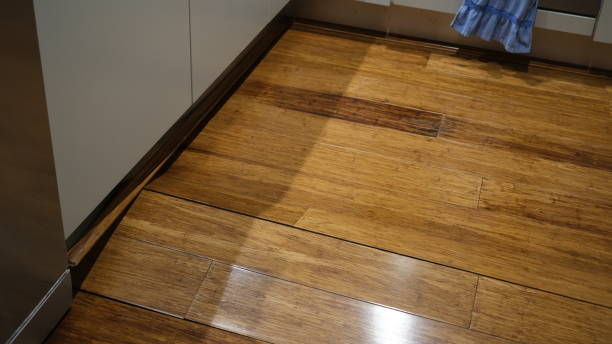
One of the most obvious signs that your foundations are shifting is uneven or sloping floors.
Does it feel like you’re walking up or downhill in a room, or things are leaning or sliding out of place a little too easily? It’s not your imagination, and there’s likely something going on underfoot you need to investigate.
Soil moves over time, and this can lead to sinking or noticeable sloping, and sadly, it likely won’t resolve itself. Ignoring it can lead to a whole host of other issues down the line. The best course of action here is home levelling to restore balance. Calling the pros to assess foundation damage and get your home back on an even keel
Misaligned Doors
Doors sometimes don’t close the way they once did, and this can often be due to changes in the weather. Sometimes it can be indicative of structural change or damage. If a house settles unevenly, it can warp doors and window frames, making them difficult to open and close.
So if your doors no longer stay closed or pop out of the frame, or your windows seem slightly off center, you likely need professional levelling to prevent further problems and complications.
Cracks
There’s a big difference between surface cracks and foundational cracks — surface cracks tend to be fine, straight lines, while foundation cracks often start to appear diagonally or in a “step” formation and get wider.
If you notice this occurring, usually around ceilings or on staircases — look up, not down — you need to find the root cause of the problem and get it rectified immediately.
Don’t forget to check outside as external brickwork will also show signs of foundation damage or change, and as the foundations shift and move, it’ll impact the structural integrity of the building, potentially making it unsafe for habitation.
Gaps Between Wall Ceilings or Floors
It goes without saying that your home should not have gaps in these places. But if your foundation is failing, this is what you could expect to happen. Obvious separation of ceilings or walls or gaps appearing at floor level are red flags and need to be treated as urgent, as again, the structural integrity of your home is being impacted, and it would be unsafe to live in.
Call a professional to assess the property and uncover the underlying cause of the separation so you can get the right repairs carried out and get back to living in a safe home.
Foundation damage isn’t always obvious, but as soon as you know what to look for, it becomes more obvious. At the first indication any of the above issues are present in your home, it’s imperative to get the property checked out so you know exactly what you’re dealing with.
 Carly
Carly  Leo Allen