
7 min read
1237 words
The bathroom, often the smallest room in an apartment, can present some of the biggest challenges for individuals with mobility limitations, balance issues, or those simply seeking to “age in place” with greater ease. In an apartment setting, where structural changes are typically off-limits, the key lies in innovative, non-permanent solutions that enhance safety, comfort, and independence. Creating an accessible bathroom isn’t just about accommodating a specific need; it’s about designing a more user-friendly space for everyone. Here are five practical ways to make your apartment bathroom more accessible, focusing on renter-friendly modifications.
1. Reinforcing Safety with Non-Permanent Supports and Surfaces
One of the primary concerns in any bathroom is the risk of slips and falls, a danger significantly heightened for individuals with mobility challenges. Fortunately, several non-permanent solutions can drastically improve stability and confidence.
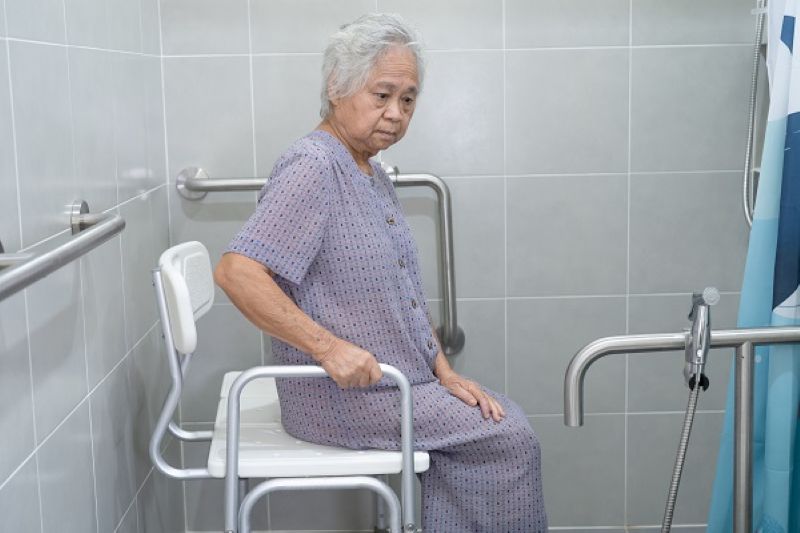
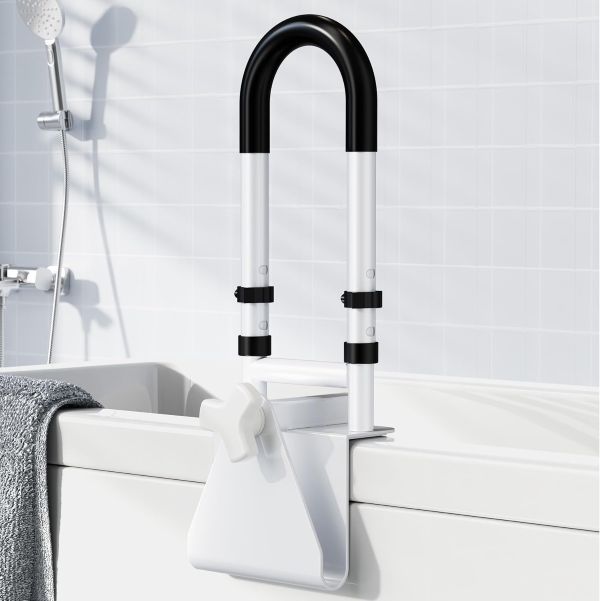
Suction and Tension Grab Bars: Forget drilling into tiles; modern grab bars offer impressive stability without a single screw. High-quality suction cup grab bars can be securely affixed to smooth, non-porous surfaces within the shower or next to the toilet, providing crucial support for standing, sitting, or transferring. It’s vital to choose models with strong, visual indicators that confirm a secure suction and to always test their stability before relying on them fully. For more extensive support in the shower, tension-mounted poles can be installed between the floor and ceiling, offering multi-level handles and even integrated shelving, completely bypassing the need for wall damage.
Anti-Slip Mats and Treads: The slick surfaces of bathtubs, shower floors, and tiled bathroom floors are notorious for hazards. Investing in high-quality, anti-slip mats or adhesive treads for the shower and tub floor can provide essential traction. Beyond the tub, a non-slip bathroom rug with a rubber backing can prevent accidents on the main floor, especially in areas prone to moisture near the sink or shower exit. Ensure these mats are securely placed and don’t bunch up, which could create a new tripping hazard.
2. Optimizing Shower and Tub Access
Showering and bathing can be particularly challenging without adequate support. Modifying your shower or tub area can significantly improve safety and comfort.
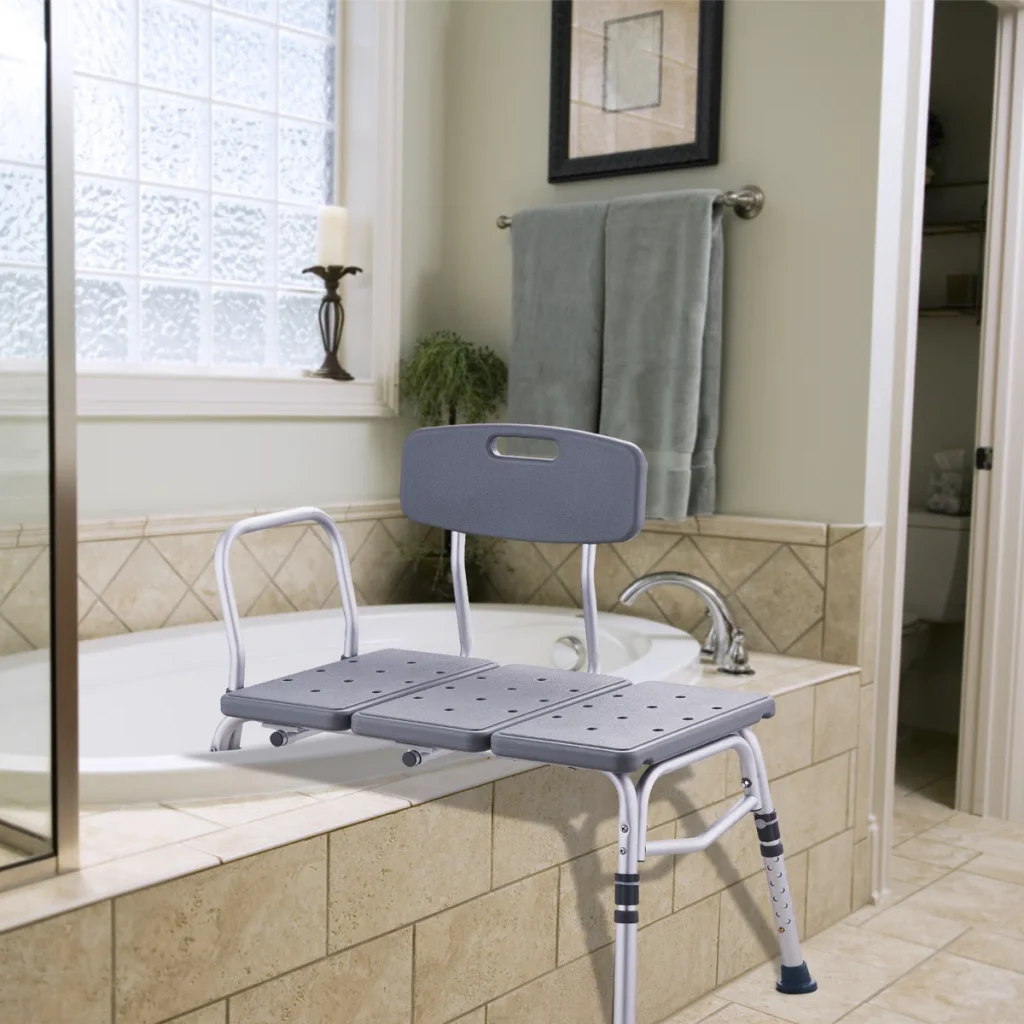
Shower Chairs and Transfer Benches: For individuals who find standing for extended periods difficult or risky, a shower chair or bench is invaluable. These come in various designs, from simple stools that fit inside the shower to more elaborate transfer benches that extend over the tub wall, allowing a person to sit down outside the tub and slide safely into position. Look for models with adjustable heights, non-slip feet, and a sturdy, corrosion-resistant frame. This allows users to bathe while seated, reducing the risk of falls due to fatigue or loss of balance.
Handheld Showerheads: Replacing a standard fixed showerhead with a handheld model is a simple yet impactful upgrade. These typically attach to the existing shower arm and offer a flexible hose, allowing the user to direct water precisely where needed, whether seated on a shower chair or standing. This enhances convenience and independence, making it easier to rinse off without constantly moving or reaching, and can even facilitate hair washing or cleaning certain body areas more effectively.
Faucet Extenders: For those with limited reach, especially when seated, faucet handle extenders can make controlling water temperature and flow much easier to grasp and operate. These simple attachments increase the lever length, requiring less fine motor skill.
3. Enhancing Toilet Accessibility and Independence
The toilet area is another critical point in the bathroom that often requires specific solutions to improve accessibility and maintain dignity.
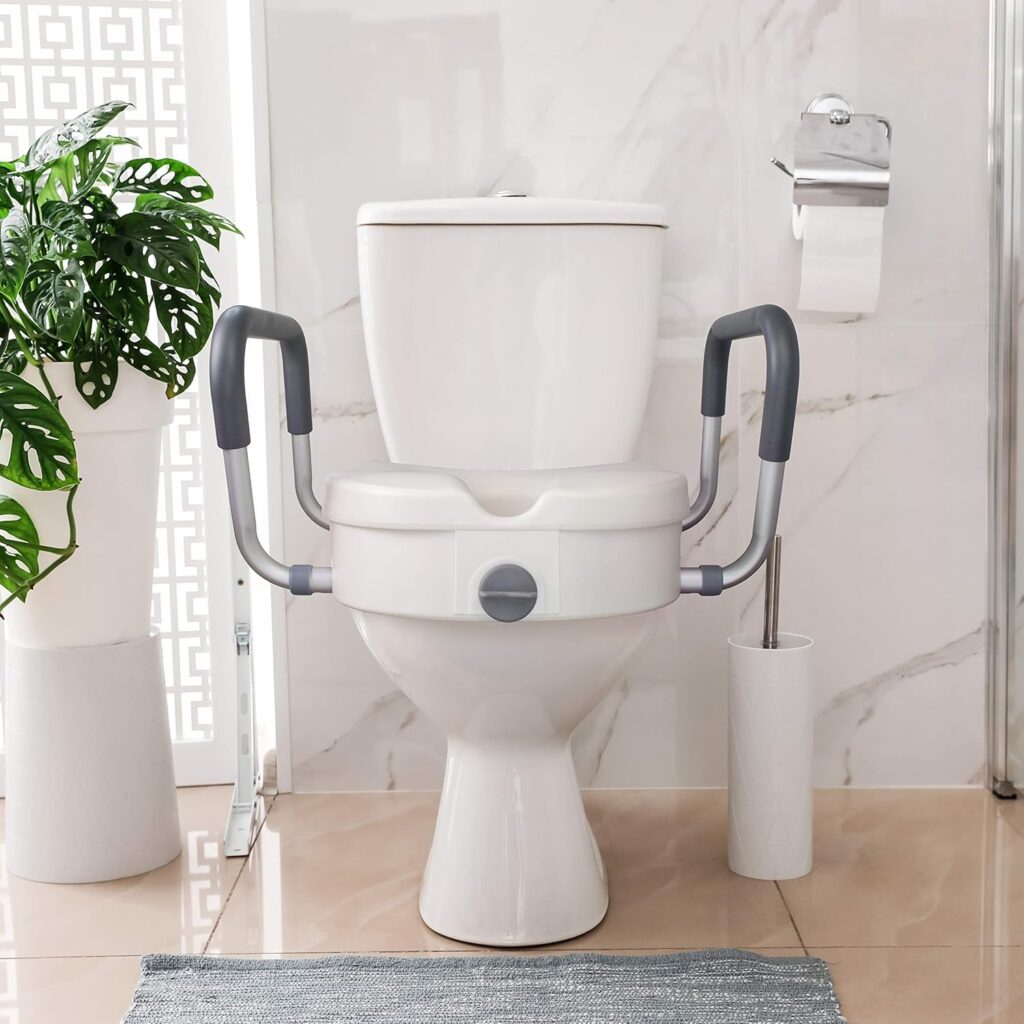
Raised Toilet Seats: A standard toilet height can be problematic for individuals with knee, hip, or balance issues, making sitting down and standing back up strenuous or unsafe. A raised toilet seat attachment can elevate the seat by several inches, effectively turning a standard toilet into a comfort-height fixture. These often come with padded options for comfort and some models include armrests that provide additional support for transferring on and off the toilet. They are easy to install and remove, making them ideal for apartments.
Toilet Safety Frames: For those who need more substantial support than a raised seat with armrests can offer, a standalone toilet safety frame is an excellent solution. These frames fit around the toilet (either attaching to the bowl or standing independently) and provide sturdy handles on either side. They offer a stable point of leverage to push up from or lower down onto, significantly reducing strain and the risk of falls. Like raised seats, they are non-permanent and can be installed without tools.
Bidet Attachments: While not strictly a mobility aid, a bidet attachment can greatly enhance independence and hygiene for those with limited reach or dexterity. Simple models attach between the existing toilet seat and the bowl, connecting to the toilet’s water supply. They offer a gentle wash, reducing the need for twisting, reaching, and wiping, thus promoting greater self-sufficiency and comfort.
4. Streamlining Controls with User-Friendly Fixtures
Small changes to fixtures can make a large difference in ease of use and safety.
Lever Faucets and Accessible Handles: Traditional knob-style faucets can be difficult to grip and turn for individuals with arthritis, limited hand strength, or dexterity issues. Replacing them with lever-style handles, if permitted by your landlord or if it’s a temporary, reversible swap, can make a significant difference. Alternatively, there are universal faucet handle extenders that can convert existing knobs into easier-to-grip levers.
Thermostatic Mixers and Anti-Scald Devices: Preventing burns from excessively hot water is crucial. If your shower or sink lacks a thermostatic mixing valve, which maintains a consistent water temperature, consider an anti-scald device that can be temporarily installed. These limit the hot water temperature or shut off the flow if it becomes too hot, providing peace of mind.
Automatic Soap Dispensers: For handwashing, automatic, sensor-activated soap dispensers eliminate the need to pump or squeeze, which can be challenging for those with limited hand mobility or strength. They also reduce germ transfer, adding another layer of hygiene.
5. Illuminating Paths and Decluttering for Clear Passage
Visibility and an uncluttered environment are fundamental to bathroom accessibility.
Improved Lighting and Contrast: Good lighting is paramount. Ensure your bathroom is brightly and evenly lit to minimize shadows that can hide obstacles or make depth perception difficult. Consider adding motion-sensor nightlights, especially along pathways to the toilet, to guide users safely during nighttime trips without having to fumble for switches. Strategic use of high contrast, such as a white toilet seat against a darker floor or contrasting grab bars, can also help individuals with visual impairments navigate the space more easily.
Strategic Storage and Decluttering: A cluttered bathroom floor is a major tripping hazard. Reviewing and reorganizing your bathroom essentials is a simple, cost-free step toward accessibility. Store frequently used items on open shelving or in drawers that are easily reachable without excessive bending or stretching. Utilize vertical storage options like over-the-toilet shelving or narrow rolling carts to keep floors clear. Remove any unnecessary rugs or mats that aren’t securely non-slip. Ensure the path to the toilet, shower, and sink is always clear and unobstructed.
Making an apartment bathroom more accessible doesn’t require extensive renovations or breaking your lease agreement. By thoughtfully implementing these non-permanent, renter-friendly modifications, you can significantly enhance the safety, comfort, and independence of the space for yourself or your loved ones. These changes not only address immediate accessibility needs but also contribute to a more universal design that benefits everyone who uses the bathroom.
 Leo Allen
  Carly
Carly