
5 min read
861 words
Winter is beautiful, but for homeowners with concrete driveways, it brings a major threat: the brutal freeze-thaw cycle. Without proper concrete driveway preparation, even the strongest slab can suffer significant damage, leading to cracks, spalling, and costly repairs. Protecting your investment is simpler than you think. This professional, SEO-friendly guide outlines the essential steps you must take right now to ensure your concrete driveway maintenance plan shields your pavement from the ice, snow, and salt of the coming season.
Understanding the Enemy: Why Winter Destroys Concrete
To effectively prepare your driveway, you must first understand the primary mechanism of winter damage: the freeze-thaw cycle.
Concrete is naturally porous, meaning it absorbs water. When temperatures drop below freezing, this trapped water expands by about 9%. This expansion creates immense internal pressure. When the ice melts, the process repeats, often multiple times a day. Over weeks, this pressure leads to:
- Spalling: Surface flaking or pitting.
- Cracking: Small fissures widening into major structural flaws.
- Pot Holes: Severe damage resulting from compromised sub-base layers.
Proper winterizing concrete driveway techniques focus solely on preventing moisture absorption.
Your Three Essential Concrete Driveway Preparation Tasks (Pre-Freeze)
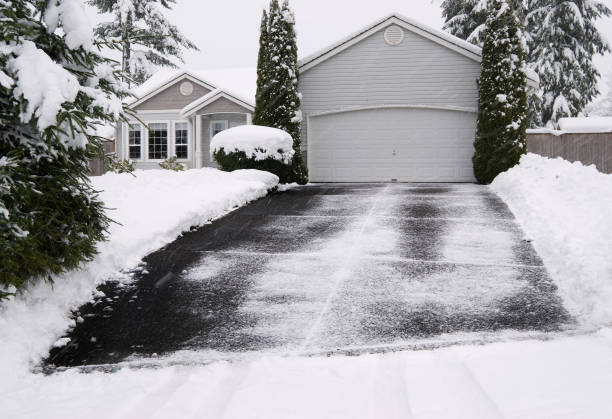
Before the first hard frost arrives, you need to execute these three critical steps to waterproof and fortify your pavement.
Task 1: Deep Cleaning and Contaminant Removal
A clean surface is crucial for any repair or sealing work. Dirt, grime, oil spills, and stubborn organic matter (like mildew or moss) all trap moisture and accelerate deterioration.
Action Steps:
- Remove Debris: Sweep the entire surface free of leaves, dirt, and loose gravel.
- Pressure Wash: Use a specialized concrete cleaner or a mild detergent combined with a pressure washer (use a fan tip at medium pressure, generally 1,500 to 2,000 PSI) to remove deeply embedded oil and grease stains.
- Rinse Thoroughly: Ensure all detergent residue is completely washed away.
Critical Timing Note: The driveway must be completely dry (ideally 24–48 hours) before proceeding to the sealing or repair stage.
Task 2: Inspect and Repair All Cracks and Joints
Small cracks are not just cosmetic issues; they are direct pipelines for water to reach the sub-base and initiate the freeze-thaw damage cycle.
Action Steps:
- Identify Flaws: Walk your driveway and mark all existing cracks and expansion joints that need attention.
- Clean the Cracks: Use a wire brush or compressed air to remove all dirt, dust, and loose particulate matter from inside the fissures. Sealing compounds will not adhere properly to dirty surfaces.
- Seal Fissures: Fill minor cracks (less than 1/4 inch wide) with a commercial concrete crack filler. For larger cracks or essential expansion joints, use a specialized, flexible polyurethane sealant or caulk designed for exterior concrete. This material expands and contracts with the temperature changes, maintaining a watertight seal.
Task 3: Apply a Professional-Grade Concrete Sealant (The Non-Negotiable Step)
Sealing is the single most important action you can take for concrete driveway preparation. A quality sealant acts as a waterproof barrier, preventing surface moisture from permeating the porous concrete structure.
Choosing Your Sealant:
- Penetrating Sealers: These soak into the concrete pores, providing long-term internal protection (lasting 5–10 years). They are generally the best choice for resisting salt and freeze-thaw cycles.
- Topical (Acrylic) Sealers: These create a glossy film on the surface. While they offer good stain resistance, they may need reapplication more frequently (every 1–3 years).
Application Tips:
- Temperature Matters: Apply the sealant when both the air and concrete temperatures are between 50°F and 90°F. Applying too late in the fall can result in poor adhesion and failure.
- Uniform Coverage: Use a roller, low-pressure sprayer, or brush to apply the sealant evenly. Avoid pooling.
- Curing: Allow the product to cure completely according to the manufacturer’s instructions before exposing it to weather or traffic.
Winter Safety Checklist: What to Avoid During the Season
Once your driveway is prepared, it is crucial to avoid common misconceptions that can instantly undo your hard work.
The Dangers of Rock Salt and Harmful De-Icers
Many homeowners unknowingly use products that are corrosive to concrete, even sealed concrete. Sodium Chloride (Rock Salt) and ammonium-based de-icers can chemically breakdown concrete, leading to surface flaking and spalling, regardless of how well you performed your concrete driveway maintenance.
Safe De-Icing Alternatives:
| Recommended De-Icer (Concrete-Safe) | Avoid at All Costs (Concrete-Damaging) |
|---|---|
| Calcium Chloride (CaCl2) | Sodium Chloride (Rock Salt) |
| Potassium Chloride (KCl) | Ammonium Sulfates or Nitrates |
| Non-Cloride Based Products | Magnesium Chloride (Use sparingly, as it can still cause damage) |
For best results, use sand for traction or a concrete-safe pet-friendly product.
Proper Snow Removal Techniques
While snow removal is necessary, use the right tools to protect the sealed surface.
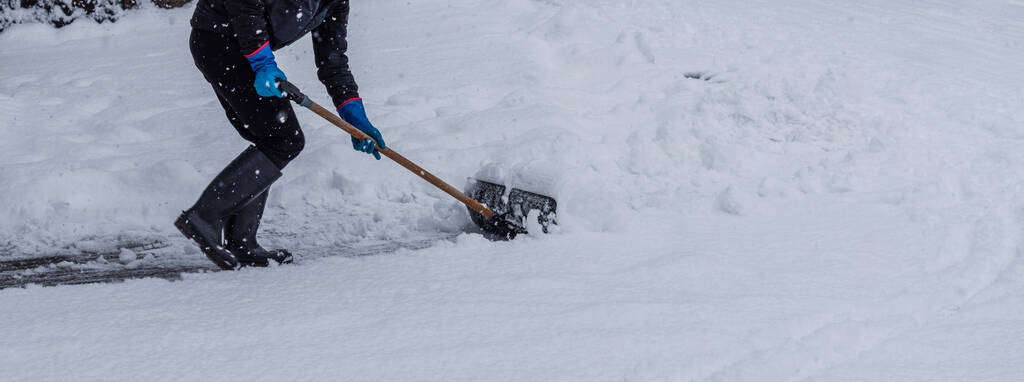
- Avoid Metal Shovels: Metal edges can scrape the sealant and potentially chip the concrete surface. Use plastic or composite shovels and snowblower blades instead.
- Avoid Piled Snow: Do not pile snow directly on the edges of your driveway where water runoff can continually soak the concrete before refreezing.
Conclusion
Taking the time for comprehensive concrete driveway preparation is the best defense against the damaging forces of winter. By prioritizing cleaning, repairing cracks, and applying a quality sealant, you are ensuring the longevity, safety, and curb appeal of your investment for years to come. Don’t wait until the temperatures drop—start your winterizing concrete driveway project today!
 Carly
Carly