
8 min read
1405 words
Your dream outdoor‑indoor flow starts with the right set of patio doors. Whether you’re renovating a city condo or a sprawling suburban home, selecting the ideal doors isn’t just about looks—it’s about performance, security, energy savings, and long‑term value. This guide walks you through every decision point, so you can confidently choose patio doors that enhance your home’s comfort, curb appeal, and resale potential.
Why Patio Doors Matter
Patio doors are more than a simple passageway to the backyard; they’re a design statement and a functional bridge between indoor living space and the outdoors. The right set can:
- Boost natural light – Large glass panels flood rooms with sunlight, reducing the need for artificial lighting.
- Improve energy efficiency – Modern glazing and framing systems keep heat in during winter and out during summer.
- Increase home value – Up‑graded patio doors are a high‑return‑on‑investment upgrade that appeals to buyers.
- Enhance security – Advanced locking mechanisms and reinforced glass protect against forced entry.
With those benefits in mind, let’s dive into the core factors you should evaluate before making a purchase.
1. Types of Patio Doors – What’s Your Ideal Configuration?
| Door Type | Main Features | Best For |
|---|---|---|
| Sliding Patio Doors | Two or more panels that glide horizontally on a track. Minimal space requirements, unobstructed views. | Small to medium rooms, modern aesthetics, tight floor plans. |
| French Patio Doors | Hinged double doors that swing open inward or outward. Classic look, easy to clean. | Traditional homes, larger openings, desire for a “grand entrance.” |
| Folding (Bi‑Fold) Patio Doors | Multiple panels that fold back against each other. Creates a wall‑to‑wall opening. | Indoor‑outdoor living spaces, patios that double as extensions of the living room. |
| Pivot Patio Doors | Single, large door that rotates on a pivot point at the top and bottom. Dramatic, contemporary presence. | Designer homes, statement pieces, limited structural modifications. |
| Multi‑Slide (Stackable) Patio Doors | Several large panels that slide and stack on either side of the opening. Offers expansive views. | Large, scenic sites, luxury residences. |
Choosing the right type hinges on your architectural style, the width of the opening, and how you intend to use the space. Sliding doors dominate the market for their ease of operation and space‑saving design, while French doors remain a timeless favorite for their elegance.
2. Frame Materials – Durability Meets Design
2.1. Vinyl
- Pros: Low maintenance, excellent thermal performance, budget‑friendly.
- Cons: Limited colour palettes, may expand/contract with extreme temperature shifts.
2.2. Aluminum
- Pros: Sleek, slim sightlines; strong and lightweight; ideal for large expanses.
- Cons: Higher thermal conductivity (needs a thermal break) and can dent more easily.
2.3. Wood
- Pros: Natural warmth, classic appeal, can be painted or stained to match interior décor.
- Cons: Requires regular sealing or painting; higher cost; susceptible to moisture if not properly protected.
2.4. Fiberglass
- Pros: Combines strength of wood with low maintenance of vinyl; superior insulation; resists warping and fading.
- Cons: Typically the most expensive option; colour choices may be limited.
Tip: If energy efficiency tops your list, look for doors with a thermal break—a plastic barrier within aluminum frames that dramatically reduces heat transfer.
3. Glazing Options – Let the Light In, Keep the Heat Out
| Glazing Type | R‑Value (Thermal Resistance) | Ideal Climate | Key Benefits |
|---|---|---|---|
| Single Glazing | 1.0‑1.2 | Warm, mild climates | Cheapest; great view clarity. |
| Double Glazing | 2.0‑3.0 | Most climates | Balanced insulation and cost. |
| Triple Glazing | 3.0‑5.0 | Cold, extreme climates | Maximum energy savings; reduced condensation. |
| Low‑E Coated Glass | Improves R‑Value by up to 30% | All climates | Reflects infrared heat while allowing visible light. |
| Tempered & Laminated Glass | Same R‑Value as base glazing | All climates | Enhanced safety and sound reduction. |
Low‑E (low‑emissivity) coatings are now standard on many patio doors, reflecting summer heat back outside and keeping winter warmth inside. For homes in noisy neighborhoods, consider acoustic laminated glass to dampen outside sound.
4. Energy Efficiency – The Real Cost‑Savings Factor
When shopping for patio doors, keep an eye on the U‑Factor (heat loss) and Solar Heat Gain Coefficient (SHGC).
- U‑Factor ≤ 0.30 is excellent for most climates.
- SHGC ≤ 0.30 helps keep cooling costs down in hot regions.
Look for doors certified by ENERGY STAR or those meeting local building codes. A high‑efficiency door can shave 10–30% off your heating and cooling bills, a noticeable ROI over the door’s lifespan.
5. Security & Safety – Peace of Mind at the Threshold
- Multi‑point locking systems: Engage at three or more points along the frame, dramatically increasing resistance to forced entry.
- Reinforced hinges & hardware: Prevent the door from being pried open.
- Tempered or laminated safety glass: Breaks into small, less‑dangerous shards if shattered.
- Smart lock integration: Many modern patio doors accommodate keypad, biometric, or app‑controlled locks for added convenience.
When evaluating a door, ask the manufacturer for security ratings (e.g., ASTM F2092 for impact resistance) and whether the product complies with local fire safety regulations.
6. Style & Aesthetics – Matching Your Home’s Personality
6.1. Frame Colours & Finishes
- White or Neutral: Classic, works with any décor.
- Bold Colours (Black, Charcoal, Deep Green): Contemporary statement.
- Wood Grain Finishes: Warm, natural feel; often paired with traditional homes.
6.2. Panel Configurations
- Full‑height glass: Maximises views and natural light.
- Divided Lites (Grids): Adds a retro or craftsman vibe.
- Custom shapes (arched, curved): Unique architectural flair.
6.3. Hardware Accents
- Brushed nickel, polished chrome, oil‑rubbed bronze – choose hardware that complements interior fixtures for a cohesive look.
7. Installation Considerations – Get It Right the First Time
A flawless patio door is only as good as its installation. Poor fit can lead to drafts, water leaks, and premature wear.
- Professional vs. DIY: While a handy homeowner can install a sliding unit, most experts recommend hiring licensed installers for larger or custom doors.
- Flashing & Weatherproofing: Ensure proper flashing around the frame to prevent water infiltration.
- Structural Modifications: Some door types (like sliding or pivot doors) may require reinforcement of the opening header.
- Warranty Transfer: Many manufacturers void warranties if the door isn’t installed by a certified dealer, so verify this before proceeding.
8. Budget Planning – Balancing Cost and Value
| Budget Range | Typical Door Type | Frame Material | Approx. Cost (incl. installation) |
|---|---|---|---|
| $1,500 – $3,000 | Sliding, basic French | Vinyl/Aluminum | $1,500 – $2,500 |
| $3,000 – $5,500 | Premium sliding, bi‑fold | Fiberglass/High‑grade aluminum | $3,200 – $5,000 |
| $5,500 – $10,000+ | Custom bi‑fold, pivot, multi‑slide | Wood, custom‑finish aluminum, high‑end fiberglass | $5,800 – $9,500+ |
Tips for maximizing ROI:
- Prioritize energy performance—the savings on utility bills often offset a higher upfront cost.
- Consider standard sizes—custom dimensions add $500–$1,500.
- Bundle with other upgrades (e.g., insulated blinds, smart locks) for volume discounts.
9. Maintenance & Care – Prolonging the Life of Your Patio Doors
- Clean glass with a non‑abrasive, ammonia‑free cleaner to avoid etching.
- Lubricate tracks and rollers (for sliding doors) every 6–12 months with silicone spray.
- Inspect weatherstripping annually; replace any cracked or compressed sections to maintain airtightness.
- Touch‑up paint or finish on wood or metal frames as needed to prevent corrosion or rot.
Regular maintenance not only keeps doors looking pristine but also preserves their energy efficiency and security performance.
10. Frequently Asked Questions (FAQs)
| Question | Quick Answer |
|---|---|
| Do patio doors need a permit? | Most jurisdictions require a building permit for structural alterations, especially if you’re enlarging an opening or changing load‑bearing walls. Check with your local city hall. |
| Can I install a patio door on a concrete wall? | Yes, but it often requires a structural engineer to design a proper header and anchoring system. |
| Are sliding doors more energy‑efficient than French doors? | Not necessarily. Energy efficiency hinges on glass type, frame material, and sealing quality, not the door style alone. |
| What’s the best way to reduce condensation between double‑pane glass? | Choose low‑E, argon‑filled glass with a high-quality seal; proper ventilation also helps. |
| How long do patio doors typically last? | With proper care, vinyl and fiberglass doors can last 20–30 years, while wood and aluminum may need refinishing or component replacement after 15–20 years. |
Final Thoughts – Your Perfect Patio Door Awaits
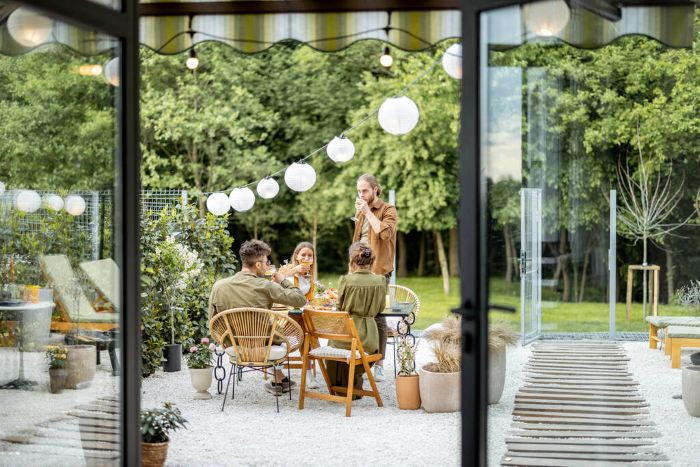
Selecting the right patio doors is a blend of function, aesthetics, and long‑term value. By evaluating the type of door, frame material, glazing performance, energy ratings, security features, and installation quality, you’ll arrive at a solution that opens up your living space—literally and figuratively.
Ready to transform your home? Start by measuring your opening, gathering a shortlist of reputable manufacturers, and consulting with a certified installer. Remember, the best patio doors are those that enhance your lifestyle today while paying dividends for years to come.
Happy renovating!
 Carly
Carly