
8 min read
1439 words
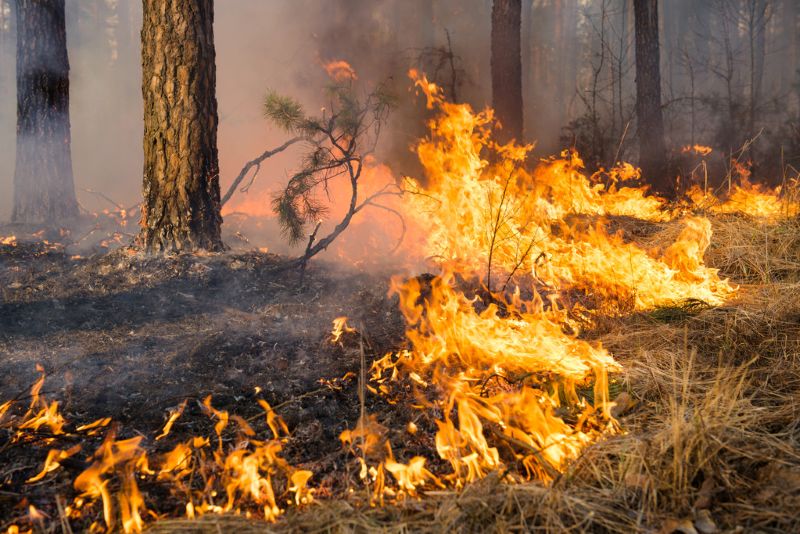
There’s nothing quite like the beauty of nature, but when wildfires rage, that beauty can quickly turn into a hazy, ominous threat. For many of us, the sight of orange skies and the acrid smell of smoke are becoming increasingly common occurrences. While our first instinct might be to flee, often the safest place to be during a wildfire is indoors. But even within the supposed sanctuary of our homes, wildfire smoke can infiltrate, bringing with it a cocktail of harmful particles and gases that compromise our indoor air quality.
The good news? You’re not powerless against this invisible intruder. With a little knowledge and some smart preparation, you can transform your home into a fortress of fresh air, safeguarding your health and comfort even when the outside world is choked with smoke. The key lies in understanding how smoke behaves and leveraging the right tools, particularly air purifiers with specific types of filters, to create a healthier indoor environment. It’s not about letting more outside air in, but rather about making the air inside your home as clean as possible.
Your Home as a Safe Haven: Sealing the Envelope Against Smoke
When wildfire smoke blankets your community, your immediate priority should be to prevent that smoke from entering your home in the first place. Think of your house as a protective bubble, and your first mission is to seal any gaps in that bubble. This isn’t about creating an airtight chamber, but rather significantly reducing the influx of polluted outdoor air.
The most fundamental step is remarkably simple: keep windows and doors closed. This might seem obvious, but it’s easy to forget, especially if you’re used to enjoying a fresh breeze. During smoke events, that “fresh breeze” is anything but. Even small cracks around window frames and door jambs can allow a surprising amount of smoke to seep in. For added protection, consider using weatherstripping or caulk to seal any noticeable gaps. If you have older windows or doors that aren’t very airtight, a temporary solution like plastic sheeting and painter’s tape can make a big difference, especially in rooms you use frequently.
Your home’s heating, ventilation, and air conditioning (HVAC) system also plays a crucial role. If you have central air conditioning, the best practice during wildfire smoke events is to set your system to “recirculate” or “closed” mode. This ensures that your HVAC unit isn’t pulling in fresh (and smoky) air from outside, but rather continuously filtering and circulating the air already inside your home. If your system has a “fresh air intake” damper, make sure it’s closed.
Additionally, consider upgrading the filters in your central HVAC system. Standard furnace filters typically have a low MERV (Minimum Efficiency Reporting Value) rating, meaning they’re designed to protect your equipment more than your lungs. Opting for a higher MERV-rated filter (MERV 13 or higher) can significantly improve the air quality throughout your home by capturing finer particles. However, it’s important to check your HVAC system’s specifications or consult a professional, as some older systems may struggle with the increased airflow resistance of very high MERV filters. Never operate your system without a filter, as this can damage the unit.
Beyond your central system, also be mindful of exhaust fans in bathrooms and kitchens. While these are great for removing moisture and cooking odors, they also create negative pressure, potentially pulling smoky air in through other unsealed cracks. Use them sparingly and only when necessary during peak smoke periods. The goal here is to create a clean air zone, and preventing the entry of polluted air is the non-negotiable first step.
The Dynamic Duo: HEPA and Activated Carbon Filters
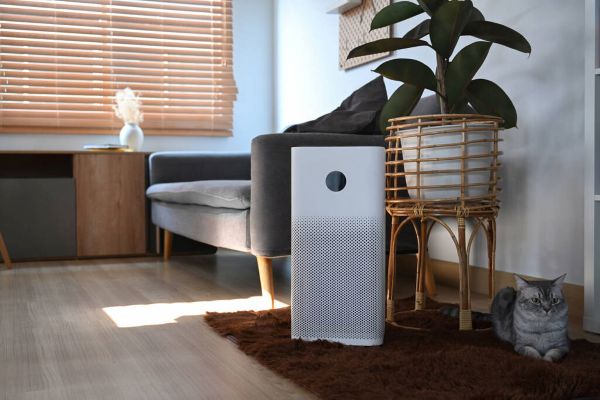
Once you’ve done your best to seal your home, the next crucial step is actively cleaning the air inside. This is where dedicated air purifiers become your best friends. Not all air purifiers are created equal, and for wildfire smoke, two types of filters stand out as absolute heroes: HEPA filters and activated carbon filters. Often, the most effective air purifiers will incorporate both in a multi-stage filtration system.
Let’s talk about HEPA filters first. HEPA stands for “High-Efficiency Particulate Air.” These aren’t just fancy marketing terms; a true HEPA filter is certified to capture at least 99.97% of airborne particles 0.3 micrometers in diameter. Why is this so important for wildfire smoke? Because the most harmful components of smoke are the fine particulate matter, especially PM2.5 (particles 2.5 micrometers in diameter or smaller). These tiny particles are small enough to bypass your body’s natural defenses and penetrate deep into your lungs, and even enter your bloodstream, causing a range of health issues from respiratory irritation to cardiovascular problems.
HEPA filters excel at trapping these microscopic particles. They work by forcing air through a fine mesh of fibers that are randomly arranged. As air passes through, particles become trapped in three ways: by direct impaction (they stick to a fiber), by interception (they brush against a fiber and stick), and by diffusion (tiny particles move erratically and eventually collide with a fiber). The efficiency of HEPA filters against PM2.5 makes them indispensable for anyone living in an area prone to wildfire smoke. When choosing an air purifier, always look for one that explicitly states it uses a “true HEPA filter” rather than just “HEPA-type” or “HEPA-like,” which may not meet the same rigorous standards.
While HEPA filters are champions at removing solid particles, they’re less effective against gases and odors. This is where activated carbon filters step in. Wildfire smoke isn’t just particles; it’s also a complex mixture of gases, including volatile organic compounds (VOCs) like benzene, formaldehyde, and acrolein, as well as noxious odors. These gases can cause headaches, nausea, and long-term health effects.
Activated carbon filters work through a process called adsorption. Unlike absorption, where substances are soaked up, adsorption is a chemical process where gas molecules stick to the surface of the carbon. Activated carbon is specially treated to be extremely porous, creating a vast surface area within a small amount of material. This massive surface area acts like a sponge for gas molecules, effectively trapping VOCs, chemical fumes, and the characteristic smoky smell. A good quality activated carbon filter will dramatically reduce the unpleasant odors and chemical pollutants associated with wildfire smoke, making your indoor environment not just safer, but also much more pleasant to breathe in.
When selecting an air purifier, look for units that combine both a HEPA filter for particles and a substantial layer of activated carbon for gases and odors. Also, consider the CADR (Clean Air Delivery Rate) specific to smoke, as this indicates how quickly the purifier can clean the air in a given room size. Matching the purifier’s CADR to your room size will ensure it’s effective enough to make a real difference during smoky conditions.
Beyond the Purifier: Maintaining Your Air Quality Fortress
While sealing your home and running air purifiers are your primary defenses, a few other habits can significantly contribute to better indoor air quality during wildfire events:
- Avoid adding to indoor pollution: During smoky periods, refrain from activities that generate more indoor air pollution. This includes burning candles or incense, using gas stoves or fireplaces, and even vacuuming with a non-HEPA filter vacuum cleaner (which can stir up existing particles). If you must cook, use exhaust fans and keep them on for a while after.
- Keep it clean: Regular dusting and cleaning with a damp cloth can help remove settled particulate matter that has made its way indoors.
- Monitor indoor air quality: Consider investing in a portable indoor air quality monitor. These devices can give you real-time readings of PM2.5 levels in your home, helping you gauge the effectiveness of your efforts and when it might be safe to air out your home.
- Filter maintenance is key: Air purifier filters and HVAC filters have a limited lifespan. They become saturated with pollutants over time and lose efficiency. It’s crucial to follow the manufacturer’s recommendations for filter replacement. Stock up on replacement filters before wildfire season begins, as they often become scarce when smoke hits.
Breathe Easy, Be Prepared
Living with the reality of wildfires is challenging, but it doesn’t mean you have to suffer from poor indoor air quality. By taking proactive steps to seal your home, utilizing the power of HEPA and activated carbon air purifiers, and practicing mindful indoor habits, you can create a clean, safe haven for yourself and your loved ones. Being prepared transforms a stressful situation into one where you’re empowered to protect your health. So, breathe easy, stay informed, and enjoy the cleaner air inside your home, even when the world outside is hazy.
 Carly
Carly  Leo Allen
  Ananya