
6 min read
1110 words
Ever feel like there’s a magic in old houses? Maybe it’s the stories whispered from the walls, the craftsmanship that speaks of a different era, or simply the unique character that mass-produced furniture can’t replicate. Well, get ready, because that feeling is about to take center stage in the world of interior design. For 2026, heritage design isn’t just a niche interest; it’s officially the hottest trend set to sweep through our homes, bringing a sense of depth, history, and soul to our living spaces.
We’re not talking about dusty relics or a stuffy, old-fashioned aesthetic. Heritage design, in its modern interpretation, is all about celebrating the past in a way that feels fresh, relevant, and deeply personal. It’s an embrace of quality, craftsmanship, and the stories embedded within objects and architectural details. So, if you’re dreaming of a home that feels both timeless and uniquely yours, get ready to dive into the captivating world of heritage design.
What Exactly Is Heritage Design?
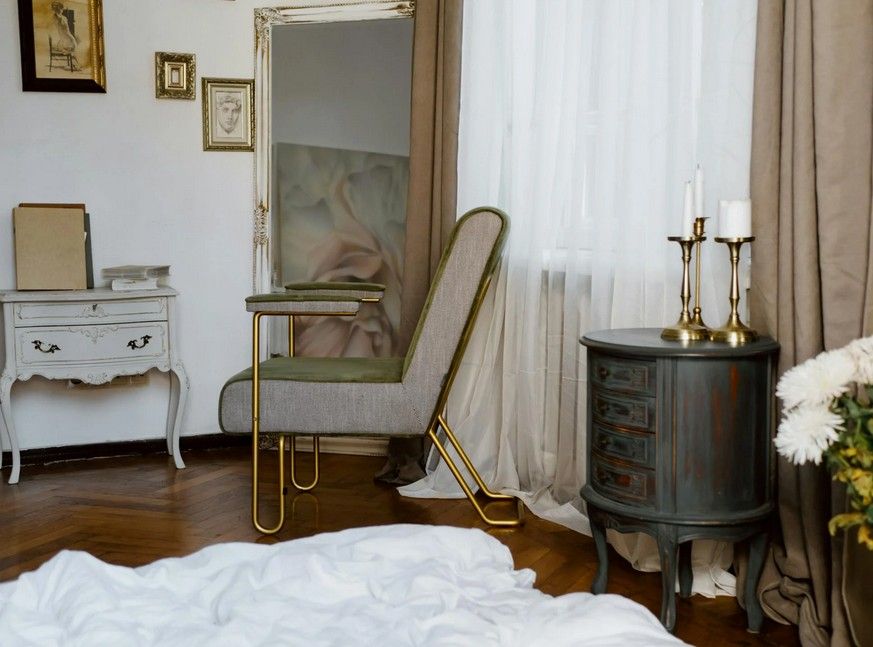
At its core, heritage design is about drawing inspiration from the past. This can manifest in a multitude of ways, moving beyond just a single historical period. Think of it as a curated appreciation for elements that have stood the test of time and possess a certain enduring quality. This might include:
- Architectural Features: This is often where heritage design truly shines. Think original fireplaces, intricate cornices, beautiful wooden beams, stained-glass windows, or even the charming imperfections of an old plaster wall. These elements provide an instant sense of history and character that new builds often lack. Embracing these existing features, rather than trying to hide them, is key to the modern heritage look.
- Craftsmanship and Materials: In an age of fast fashion and disposable goods, heritage design champions quality over quantity. This means valuing well-made furniture, often with hand-finished details, and appreciating natural materials like solid wood, stone, natural fibers (like linen and wool), and even traditional metals like brass and wrought iron. There’s a tactile pleasure in these materials that speaks to their longevity and inherent beauty.
- Timeless Furniture and Antiques: Instead of chasing fleeting trends, heritage design looks to pieces that have proven their staying power. This could be a classic mid-century modern armchair, a beautifully carved antique dresser, or even a well-loved Persian rug. These aren’t just “old things”; they are objects with a story, imbued with character and a sense of history that adds layers to a room.
- Traditional Patterns and Motifs: From delicate floral wallpapers to bold geometric tiles and classic damask fabrics, heritage design often incorporates patterns that have been beloved for generations. These patterns can add visual interest and a sense of established elegance without feeling overwhelming when used thoughtfully.
- A Connection to Place and History: Heritage design also encourages us to think about the stories of our homes and the surrounding area. This could involve incorporating local crafts, using materials sourced regionally, or even referencing the historical context of your property. It’s about creating a home that feels rooted in its environment.
The beauty of heritage design today is its flexibility. It’s not about creating a museum-like replica of a specific era. Instead, it’s about selecting elements that resonate with you personally and weaving them into a contemporary setting. It’s a dialogue between the old and the new, creating spaces that feel rich, layered, and deeply comfortable.
How to Weave Heritage into Your Home for 2026
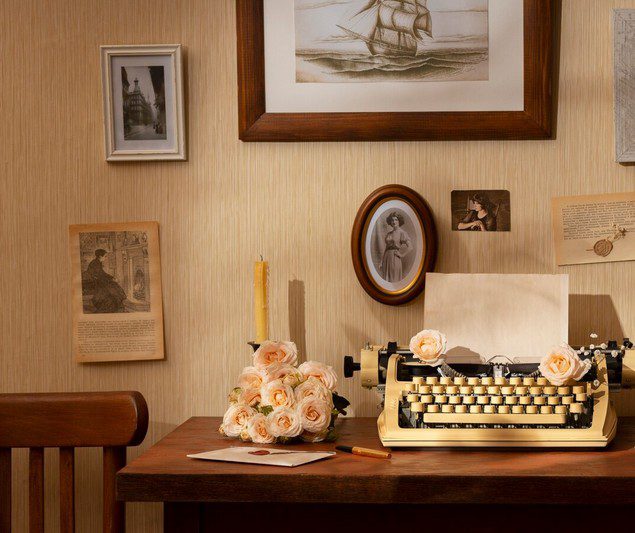
So, how do you get in on this exciting trend? Don’t worry, you don’t need to inherit a stately home to embrace heritage design. Here are some practical and inspiring ways to bring this soulful aesthetic into your own space:
- Start with the Foundations: If you’re lucky enough to have existing heritage features, celebrate them! Clean and restore original wooden floorboards, expose brickwork, or lovingly bring an old fireplace back to life. If you’re renovating, consider incorporating architectural elements that evoke a sense of history, such as paneling, decorative mouldings, or even a more traditional window style.
- Embrace Quality Materials: Invest in pieces made from solid wood, natural stone, or beautiful metals. This doesn’t mean breaking the bank. Look for well-made second-hand furniture, or prioritize a few key pieces in durable materials that will stand the test of time. Think a beautiful solid oak dining table, a marble-topped console, or a cast-iron radiator.
- The Art of the Antique (or Vintage Find): Don’t be afraid to mix in antique or vintage pieces. Hunt for treasures at flea markets, antique shops, or online marketplaces. A single statement antique piece, like a striking chest of drawers or a grandfather clock, can add immense character. Alternatively, curate a collection of smaller vintage finds – old books, ceramic pitchers, or decorative boxes – to tell a story. The key is to choose pieces you genuinely love.
- Layer in Textures and Patterns: Heritage design is all about depth and comfort, and this is achieved through layers. Combine natural fabrics like linen, wool, and cotton in upholstery, throws, and curtains. Introduce traditional patterns through wallpaper, cushions, or rugs. Consider a beautiful floral or botanical wallpaper in a bedroom, or a classic geometric pattern on a rug in a living room.
- Curate Your Collections: Many heritage homes tell stories through the objects they contain. Display your treasured possessions – books, art, family heirlooms, or even your collection of antique teacups. Grouping items thoughtfully can create visually appealing vignettes that add personality and a sense of history.
- Modern Meets Traditional: The magic of 2026’s heritage trend lies in its blend. Pair a sleek, modern sofa with a vintage Persian rug, or place a modern piece of art above an antique fireplace. This juxtaposition creates a dynamic and contemporary feel, ensuring your space doesn’t feel like a historical reenactment.
- Consider the Color Palette: While heritage design can encompass a wide range of colors, there’s often a leaning towards richer, more subdued tones. Think deep blues, forest greens, warm ochres, terracotta, and classic creams. These colors can create a cozy and inviting atmosphere, allowing the textures and details of your heritage pieces to really shine.
Heritage design is more than just an aesthetic; it’s a philosophy. It’s about slowing down, appreciating the stories around us, and surrounding ourselves with objects that have meaning and longevity. As we move towards 2026, this trend offers a welcome antidote to the fast-paced, transient nature of modern life, inviting us to create homes that are not only beautiful but also deeply resonant with history and personal connection. So, embrace the past, celebrate craftsmanship, and get ready to create a home that feels truly timeless.
 Carly
Carly  Leo Allen
  Ananya