
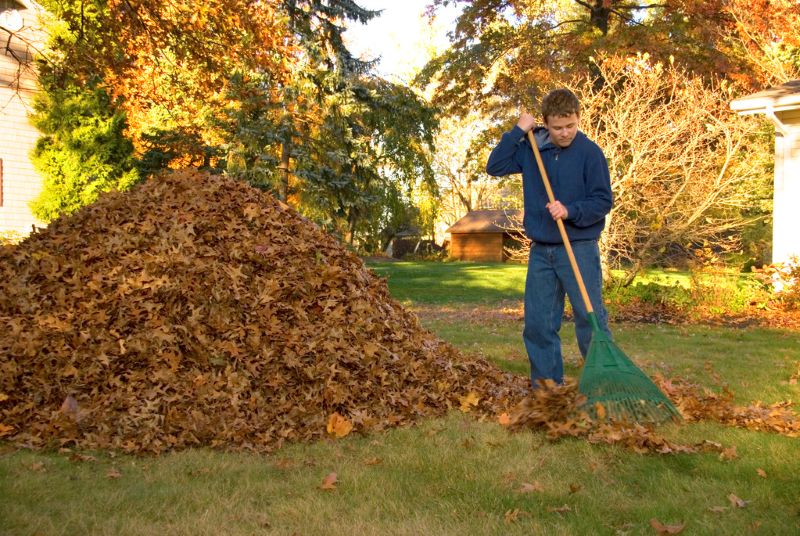
7 min read
1306 words
The crisp, cool air of autumn brings with it a beautiful array of fiery colors—until those colors end up coating your lawn in a suffocating blanket. Dealing with fallen leaves is often the most time-consuming chore for homeowners during the transition to winter.
Many homeowners prefer to wait until the last leaf has fluttered down from the very last branch before breaking out the rake or the leaf bags. This “wait-and-see” approach might seem logical—why do the work twice?—but it is perhaps the single biggest leaf-raking mistake you can make. Waiting until late November or December to tackle the entire season’s drop creates the perfect structural environment not just for mold growth, but for irreversible damage to your turf.
If you want a vibrant, healthy lawn that bounces back easily in the spring, clearing leaves isn’t a one-time project; it’s a proactive management strategy. Here is a comprehensive guide on exactly when and how often you should be clearing your yard to protect your investment.
Why Waiting Creates a Crisis for Your Lawn
The key reason to avoid the massive, annual, end-of-season clean-up is moisture management. When leaves accumulate faster than they can dry, they bond together, forming a thick, dense mat. This dense mat causes three primary problems for your yard:
1. Smothering and Photosynthesis Blockade
Grass, unlike deciduous trees, doesn’t completely stop working in the fall; it continues photosynthesizing and storing energy until the ground freezes. A thick layer of leaves blocks the sunlight and airflow the grass needs. If the lawn is covered for weeks, the grass beneath is starved of light, leading to yellowing, weakening, and eventually, death. This is often referred to as “smothering,” and it guarantees large dead patches come spring.
2. The Mold and Fungal Danger
One of the most insidious threats of delayed clearing is the proliferation of fungal diseases, most notably snow mold. Snow mold thrives in cool, moist, dark environments—exactly the conditions created by a thick, wet leaf layer covered by early snow or frost.
As wet leaves decompose, they trap moisture against the crown of the grass plant. The trapped humidity and lack of air circulation allow fungi to propagate rapidly. While snow mold appears during the winter, the groundwork is laid by unmanaged leaf debris in the fall. Treating an established fungal outbreak is far more complicated and expensive than preventing it through timely clearing.
3. Pest Overwintering
A dense leaf layer provides excellent insulation and shelter for unwanted yard guests. Voles, mice, and various insects (like ticks) view a large pile of wet leaves as an ideal winter habitat. Clearing debris reduces hiding spots and minimizes the chance of structural damage (such as mice tunneling) or increased pest populations near your home.
The Optimal Clearing Schedule: How Much is Too Much?
The solution to all these problems is consistency. You should never allow the leaf coverage on your lawn to exceed 50% of the visible grass.
If you look out and see more leaves than grass, it is past time to act. In heavy-drop seasons, this might mean clearing the lawn every five to seven days. For lighter leaf coverage, you may be able to stretch it to every two weeks.
The Critical Timing Window
The most crucial period for clearing is the six-to-eight-week window following the first significant leaf drop (usually late September through early November).
1. Early Fall (September/Early October): Clearing leaves now is about spot-treating. Focus on preventing large accumulations, especially in low-lying or shaded areas where moisture takes longer to evaporate. Mulching leaves with a standard lawnmower during this time is effective, as the volume is low, and the shredded debris can easily decompose, adding nutrients back to the soil.
2. Peak Drop (Mid-October to Mid-November): This is the time when proactive maintenance truly pays off. You may need to clear your yard 1-2 times per week, especially after windy days. If you plan on bagging or composting, consistency now will prevent enormous, back-breaking piles later.
3. Late Fall/Pre-Winter (Late November/December): If you have cleared proactively, this shouldn’t be a major event. By late November, ensure the lawn is completely exposed and clean before the first heavy frost or permanent snow cover arrives. Any leaves remaining when the ground freezes will remain pressed against the turf until spring, guaranteeing mold and dead grass.
Streamlining Cleanup: Tools and Techniques for Efficiency
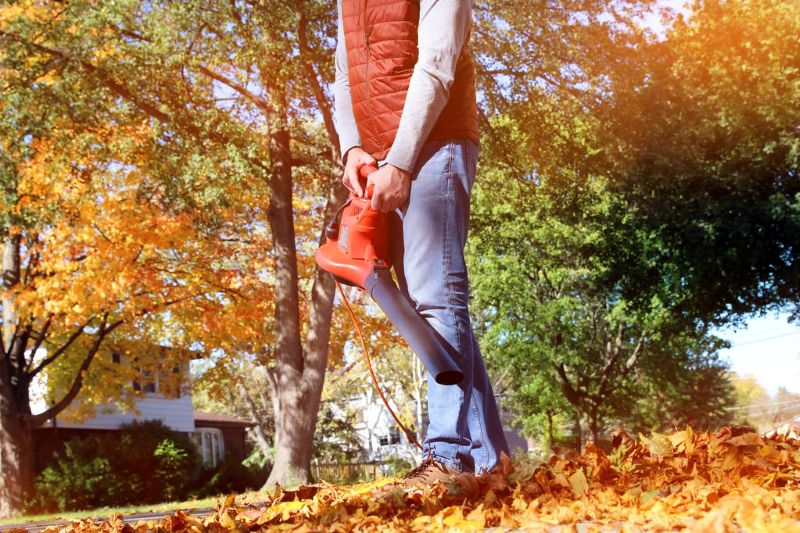
The key to maintaining the schedule above is using the right tools to minimize the labor involved. Raking large yards weekly is unrealistic; leveraging modern equipment makes this chore manageable.
1. The Power of the Leaf Blower
For rapid, consistent dispersal and collection, the leaf blower is indispensable. While rakes are great for small, detailed areas, a powerful leaf blower allows you to move hundreds of square feet of leaves in minutes.
- Strategy: Use the blower to move leaves from garden beds and pathways onto the central lawn. From there, you have two collection options:
- Piling: Blow leaves into a designated tarp or bag area next to the curb or composting zone.
- Vacuuming/Mulching: Use a blower/vac unit (many modern leaf blowers convert easily) to suck up the leaves and shred them immediately into a collection bag. This significantly reduces the volume and makes disposal easier.
- Tip for Large Yards: Consider a backpack leaf blower (gas or high-power battery). These offer immense power and ergonomic design, making the weekly clearing schedule far less strenuous than traditional handheld units.
2. Mulching with Your Mower
The most efficient and ecologically friendly method for managing light to moderate leaf drops is mulching.
If the leaf layer is thin (less than the depth of your boot sole), simply running your standard rotary mower over the leaves can shred them into fine particles. These particles, rich in carbon and nutrients, filter down into the soil and decompose. This actually feeds your grass and reduces the amount of material you haul away.
The 1-Inch Rule: When mulching, the goal is for the leaf pieces to be no larger than a dime. If you run your mower and still see large leaf sections, the leaf layer was too thick, and you need to pass over the area again, or switch to clearing the whole pile. Do not mulch wet, heavy piles; these will clump together, defeating the purpose and leading to the same mold issues.
3. Collection and Disposal (The Compost Option)
If your yard is overwhelmed by large, thick leaves (like mature oak or maple leaves, which take longer to decompose), bagging or composting is necessary.
- Composting: Leaves are often referred to as “brown matter” and are an essential component of a healthy compost pile. Mixing shredded leaves with fresh “green matter” (grass clippings or kitchen scraps) provides perfect balance.
- Leaf Barriers: Use tarps or portable leaf corrals to contain the piles until collection day. This keeps the material off the lawn but prevents it from blowing back into the yard after a windy day.
Conclusion: A Healthy Lawn Is a Proactively Managed Lawn
Leaf management is often viewed as a seasonal burden, but it should be seen as crucial maintenance that determines the health and resilience of your lawn the following spring.
By skipping the mistake of waiting until the final leaf falls and instead adopting a consistent, proactive clearing schedule—ideally, never letting leaf coverage exceed 50%—you eliminate the conditions necessary for snow mold, pest infestation, and turf smothering.
Whether you rely on the shredding power of your mower or the efficiency of a high-powered leaf blower, making time for quick weekly cleanups throughout the peak drop season will save you far more time, money, and backaches than trying to tackle a season’s worth of destruction in a single, desperate effort late in the year. Get out there and start clearing now—your spring lawn will thank you for the foresight.
 Carly
Carly  Leo Allen
  Ananya