
8 min read
1414 words
Stuffed animals are more than just toys; they are cherished companions, silent confidantes, and comforting presences throughout our lives. From the well-loved teddy bear cuddling a child to the decorative plush adding whimsy to an adult’s space, these soft friends inevitably gather dust, dirt, and sometimes, unexpected spills. Neglecting their cleanliness can lead to a buildup of allergens, unpleasant odors, and even damage to the fabric and stuffing. Knowing how to properly wash and care for your plush pals is essential for their longevity, hygiene, and continued role as beloved members of the family.
This comprehensive guide will walk you through the necessary steps to safely clean and maintain your stuffed animal collection, ensuring they remain fluffy, fresh, and ready for countless more hugs and adventures.
Assessing Your Plush Pal: Pre-Wash Preparation
Before diving into any washing method, careful assessment and preparation are key. Rushing this stage can lead to irreversible damage, especially with delicate or vintage items.
1. Check the Care Label: This is your primary guide. Many newer stuffed animals come with labels indicating “surface wash only,” “hand wash,” or “machine washable.” Always defer to the manufacturer’s instructions if available. If there’s no label or it’s faded, proceed with caution.
2. Inspect for Delicate Parts: * Glued-on Eyes, Noses, and Embellishments: These can melt, crack, or detach in a washing machine, especially with heat. * Delicate Fabrics: Silk, wool, mohair, or very old, brittle fabrics should be treated with extreme gentleness. * Battery Packs or Internal Mechanisms: Musical elements, sound boxes, or vibrating components must be removed before any water exposure. If they cannot be removed, the item is strictly “surface wash only.” * Stiffening or Wires: Some plush figures have internal wires or supports to maintain shape. Machine washing can bend or break these.
3. Test for Colorfastness: If you’re unsure if the colors will bleed, dab a small, inconspicuous area with a damp white cloth. If any color transfers, hand washing separately with cold water is crucial, or consider spot cleaning only.
4. Perform Minor Repairs: Before washing, take a moment to mend any loose seams, reattach buttons, or reinforce weak spots. Washing can exacerbate these issues, turning a small tear into a large rip.
5. Determine the Best Method: Based on your assessment, decide whether your stuffed animal is suitable for machine washing, hand washing, or merely spot cleaning. When in doubt, always opt for the gentler method. Very large, heavily soiled, or extremely delicate items might even warrant professional cleaning.
The Cleaning Process: Machine Wash, Hand Wash, or Spot Clean?
Once you’ve assessed your stuffed animal, it’s time to choose the most appropriate washing technique.
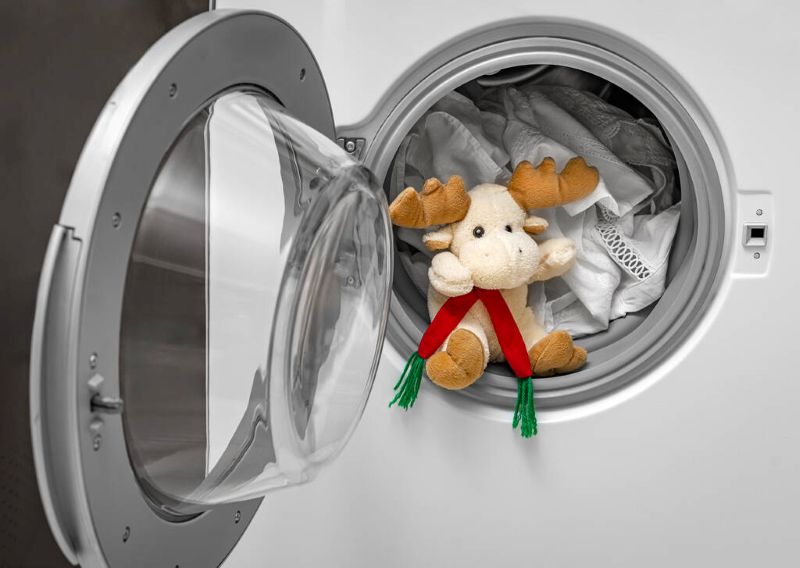
Machine Washing (For Durable Plush): This method is suitable for most newer stuffed animals made from synthetic materials (like polyester) with no delicate glued parts or internal mechanisms.
- Preparation: Place the stuffed animal inside a mesh laundry bag or a tied-off pillowcase. This protects it from snagging, tearing, and excessive tumbling, while also containing any small parts that might come loose.
- Detergent: Use a mild, hypoallergenic, and dye-free detergent. Baby laundry detergents are an excellent choice as they are gentle on fabrics and skin. Use a minimal amount.
- Water Temperature: Always opt for cold water. Hot water can cause shrinking, fading, and can damage sensitive materials or adhesives.
- Cycle: Select the “delicate” or “gentle” cycle. Avoid heavy agitation.
- Load: Wash stuffed animals separately or with a few light, similar items to prevent damage. Do not overcrowd the machine.
- Avoid Bleach: Never use bleach, as it can damage fibers and cause discoloration.
Hand Washing (For Delicate or Larger Plush): Hand washing is ideal for vintage plush, items with plastic eyes or noses (not glued), those too large for a machine, or those deemed too delicate for machine agitation.
- Preparation: Find a clean basin, sink, or bathtub.
- Water and Detergent: Fill the basin with cool water and add a small amount of mild, hypoallergenic detergent. Swish to dissolve.
- Washing: Submerge the stuffed animal completely. Gently squeeze and knead the plush to work the soapy water through the fibers and stuffing. Focus on soiled areas. Avoid harsh scrubbing or twisting. Let it soak for 10-15 minutes for deeper cleaning.
- Rinsing: Drain the soapy water. Refill the basin with clean, cool water and gently squeeze the stuffed animal to rinse out the soap. Repeat this rinsing process several times until the water runs clear and no suds remain. This is crucial to prevent residue buildup, which can attract more dirt over time.
- Excess Water Removal: Gently press or roll the stuffed animal in a clean, dry towel to absorb as much excess water as possible. Do not wring or twist vigorously, as this can distort the shape and damage the stuffing or seams.
Spot Cleaning (For “Surface Wash Only” or Minor Stains): This method is best for items with internal electronics, very fragile materials, or minor surface stains.
- Preparation: Mix a small amount of mild detergent with cool water to create a soapy solution. You can also use a specialized fabric cleaner or a baby wipe for very minor spots.
- Application: Dip a clean white cloth or sponge into the solution, then wring it out so it’s only damp, not dripping.
- Cleaning: Gently blot the stained area. Do not rub, as this can push the stain deeper or damage the fabric.
- Rinsing: Dampen another clean cloth with plain water and blot the area to remove soap residue.
- Drying: Blot with a dry towel. Allow the area to air dry completely. For faster drying, a hairdryer on a cool setting held at a distance can be used.
Drying and Finishing Touches: Ensuring Longevity and Freshness
Proper drying is just as critical as washing to prevent mildew, damage, and maintain the stuffed animal’s shape and fluffiness.
Air Drying (The Safest Method): This is always the preferred method for any stuffed animal, regardless of how it was washed. It takes longer but minimizes the risk of damage.
- Initial Squeeze: After washing, gently press out as much excess water as possible without wringing. You can roll the stuffed animal tightly in a clean, dry towel to absorb extra moisture.
- Positioning: Lay the stuffed animal flat on a clean, dry towel or a mesh drying rack. Alternatively, if the limbs are sturdy enough, you can hang it from a clothesline using plastic clothespins, distributing the weight evenly to avoid stretching.
- Air Circulation: Ensure good airflow around the stuffed animal. You can place it near a fan or in a well-ventilated room. Avoid direct sunlight, as it can fade colors and damage delicate fabrics over time.
- Flipping: Turn the stuffed animal periodically to promote even drying and prevent moisture from pooling.
- Patience: Depending on size and stuffing density, air drying can take several hours to a few days. Ensure it is completely dry inside and out before storing or playing with it again to prevent mildew.
Machine Drying (Use With Extreme Caution): Only use a machine dryer for very durable, synthetic stuffed animals that have been machine washed.
- Low Heat or Air Fluff: Use the lowest heat setting or, even better, the “air fluff” or “no heat” setting. High heat can melt synthetic fibers, damage glued-on parts, and even shrink the plush.
- Add Aids: Place a few dry towels or wool dryer balls in the dryer with the stuffed animal. This helps absorb moisture, speed up drying, and tumble the plush for better fluffing.
- Frequent Checks: Check the stuffed animal frequently. Remove it while it’s still slightly damp and allow it to air dry the rest of the way. This minimizes heat exposure.
- Never Leave Unattended: Always be present to monitor the drying process.
Finishing Touches:
- Fluffing: Once completely dry, gently pat and knead the stuffed animal to redistribute the stuffing and restore its original shape. For matted fur, a soft-bristled brush or even a pet brush (like a slicker brush) can help fluff up the fibers.
- Re-stuffing: If your plush has lost some of its plumpness over time, consider carefully opening a seam, adding new poly-fil stuffing, and then hand-sewing the seam closed.
- Storage: Store clean stuffed animals in a dry, dust-free environment. Avoid damp basements or attics, which can encourage mildew. Use clear plastic bins or fabric bags for long-term storage to protect them from dust and pests.
By following these guidelines, you can keep your beloved stuffed animals clean, fresh, and ready to provide comfort and joy for many years to come. A little care goes a long way in preserving these precious companions and the memories they hold.
 Carly
Carly  Leo Allen
  Ananya