
9 min read
1652 words
If you’ve ever stared at a monthly electricity statement that feels more like a surprise party—only the surprise is how much you’re paying—you know there’s a better way. The simplest, most effective route to lower your energy costs isn’t a complete house overhaul or a pricey solar array; it’s identifying the appliances that gulp the most electricity and treating them with a little extra care. In this post, we’ll walk you through the top five energy‑consuming devices that sit in almost every household, explain why they’re such voracious eaters, and—most importantly—give you actionable, persuasive steps you can start using today. By the time you finish reading, you’ll have a clear roadmap to cut waste, lower your bill, and feel good about doing your part for the planet.
1. Air Conditioner – Your Home’s Biggest Summer Gremlin
Why it matters
When temperatures soar, the air conditioner (AC) becomes the undisputed champion of energy consumption. A central system can account for 30‑40 % of your total electricity use during hot months. The culprit isn’t the unit itself—it’s how we operate it. Running the AC 24/7, setting the thermostat at a frigid 68 °F (20 °C), and ignoring maintenance all add up to a massive power draw.
Persuasive tweaks you can apply right now
| Action | Expected Savings | How to Implement |
|---|---|---|
| Raise thermostat 2‑3 °F (≈1 °C) | 5‑10 % reduction | Use the thermostat dial, or set a higher default on a digital unit. |
| Install a programmable or “smart” thermostat | Up to 15 % reduction | Choose a model that learns your schedule, then set it to raise the temp when you’re away or asleep. |
| Use “energy‑saving” fan mode or “economizer” | 5‑8 % reduction | Activate the fan‑only setting for short periods when humidity is low. |
| Clean or replace filters every 1‑2 months | 2‑4 % reduction | Turn off the unit, remove the filter, and vacuum or replace it. |
| Seal ductwork & insulate supply vents | 5‑10 % reduction | Hire a professional or use DIY duct‑seal kits; check for leaks around registers. |
Persuasive tip: Think of your thermostat as a dimmer switch for comfort. A few degrees higher feels just as pleasant if you use ceiling fans or open windows in the evening. The money you save can be redirected to a weekend getaway or a new gadget—your choice!
2. Water Heater – The Hidden Heat Engine
Why it matters
Water heating is the second‑largest utility expense in most homes, especially if you have an older tank model. A conventional electric water heater can consume 3,000‑4,500 kWh per year, and that number balloons if the thermostat is set too high or the tank isn’t insulated.
Persuasive upgrades & habits
| Action | Expected Savings | How to Implement |
|---|---|---|
| Lower thermostat to 120 °F (49 °C) | 6‑10 % reduction | Locate the thermostat knob on the tank (usually behind a panel) and turn it down a few clicks. |
| Add an insulation blanket | 5‑15 % reduction | Purchase a pre‑cut blanket (often includes a reflective liner) and wrap the tank, securing with tape. |
| Install a timer or “vacation mode” | 10‑20 % reduction | Many modern heaters have a “vacation” setting; otherwise, use a plug‑in timer to cut power during long absences. |
| Repair leaks promptly | 1‑3 % reduction per leak | Check for drips around the inlet/outlet valves; replace worn washers or call a plumber. |
| Consider a tankless or heat‑pump water heater | 30‑50 % reduction (long‑term) | If you’re planning a remodel, assess the upfront cost vs. lifetime savings. |
Persuasive tip: A water heater set at 120 °F is hot enough for comfortable showers while slashing energy waste. Imagine shaving $30‑$50 off your monthly bill just by turning a dial!
3. Refrigerator – The 24/7 Energy Workhorse
Why it matters
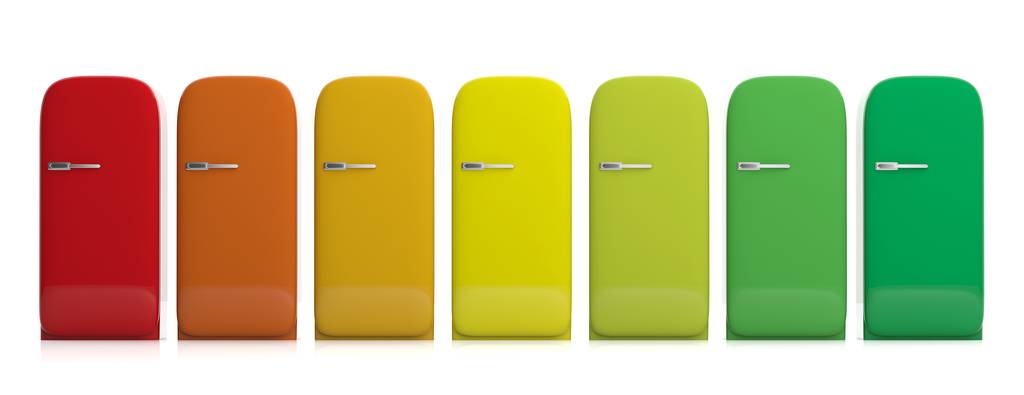
Your fridge runs non‑stop, which translates into continuous electricity consumption. Older, non‑ENERGY STAR models can use up to 800 kWh per year, while a modern, efficient unit may use under 400 kWh. Placement and maintenance also dramatically affect performance.
Persuasive actions that actually work
| Action | Expected Savings | How to Implement |
|---|---|---|
| Upgrade to an ENERGY STAR‑rated fridge | 15‑30 % reduction | Look for the ENERGY STAR label; compare the annual kWh rating before buying. |
| Keep the temperature at 37‑40 °F (3‑4 °C) for the fridge, 0 °F (‑18 °C) for the freezer | 5‑10 % reduction | Use an appliance thermometer to verify settings. |
| Ensure proper clearance (2‑3 inches) from walls & heat sources | 2‑5 % reduction | Move the unit away from ovens, dishwashers, or direct sunlight. |
| Clean condenser coils quarterly | 4‑8 % reduction | Unplug the fridge, vacuum coils (usually on the back or bottom). |
| Keep the door seal tight | 3‑5 % reduction | Run a dollar‑bill test; replace gaskets if it slides out easily. |
Persuasive tip: An upgraded fridge isn’t just a sleek addition to your kitchen; it’s a silent bill‑cutting machine. The energy you save each year can fund that weekend trip you’ve been dreaming about.
4. Washer & Dryer – The Laundry Power Pair
Why it matters
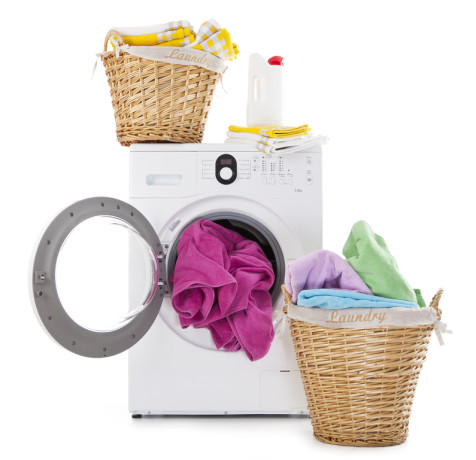
Laundry isn’t a daily chore for everyone, but when you do multiple loads a week, the washer and dryer become significant energy culprits. A typical electric dryer alone can draw 2,500‑4,000 W per cycle, while hot‑water washing adds further load.
Persuasive habits & upgrades
| Action | Expected Savings | How to Implement |
|---|---|---|
| Wash in cold water | 80‑90 % of heating energy saved | Set your machine to “cold” or “cold wash” for all loads (except heavily soiled items). |
| Use the highest spin speed | 10‑15 % reduction (dryer time) | Check your washer’s manual; select “extra spin” when possible. |
| Clean dryer lint filter after every use | 5‑10 % reduction | Pull the screen out, remove lint, and wipe with a damp cloth. |
| Opt for a moisture‑sensor dryer or line‑dry when possible | 20‑30 % reduction per load | Invest in a dryer with an automatic shut‑off, or simply hang clothes on a rack. |
| Run full loads only | 10‑12 % reduction | Consolidate laundry; schedule a “laundry day” to avoid half‑loads. |
| Consider a heat‑pump dryer | 40‑50 % reduction (long‑term) | If it’s time for a replacement, compare upfront cost vs. energy savings. |
Persuasive tip: Switching to cold water is a no‑brainer. The majority of the washing machine’s energy use goes to heating water, so you’re essentially eliminating a hidden cost with one click.
5. Dishwasher – The “Set‑and‑Forget” Energy Sipper
Why it matters
A dishwasher can be a convenience champion and an energy sneak. An average unit uses 1.5‑2 kWh per cycle, and that number jumps if you run it with half loads or use the heated‑dry option.
Persuasive strategies for a leaner dishwasher
| Action | Expected Savings | How to Implement |
|---|---|---|
| Run only full loads | 15‑20 % reduction | Time your meals so dishes accumulate; avoid “quick‑wash” for small loads. |
| Skip the heated‑dry; use air‑dry | 5‑10 % reduction | Choose the “air‑dry” or “no‑heat dry” option on the control panel. |
| Use eco‑ or energy‑saving cycles | 10‑30 % reduction | Most modern dishwashers have a “Eco” mode that lowers water temperature and extends cycle time. |
| Scrape, don’t rinse, before loading | 2‑3 % reduction | Removing food particles saves the pre‑rinse cycle’s water and energy. |
| Clean the filter and spray arms monthly | 3‑5 % reduction | Follow the manufacturer’s guide; a clogged filter forces the motor to work harder. |
Persuasive tip: If you’re already loading the dishwasher, why not let it finish with a silent, energy‑saving air‑dry? You’ll still enjoy sparkling dishes while keeping the power meter from spiking.
Putting It All Together: A Persuasive Action Plan
Now that you’ve seen the top five energy‑draining appliances, it’s time to turn awareness into action. Below is a concise, persuasive roadmap you can follow over the next month:
- Week 1 – Diagnose & Set Baselines
- Review your most recent electricity bill to note the total usage.
- Locate each of the five appliances and note current settings (thermostat temps, wash cycles, etc.).
- Week 2 – Quick Wins
- Raise the AC thermostat by 2 °F and install a programmable thermostat (or set the existing one to “away” mode).
- Lower the water heater to 120 °F and wrap it with an insulation blanket.
- Clean the AC filter, refrigerator coils, and dryer lint screen.
- Week 3 – Habit Shifts
- Commit to cold‑water laundry for all loads.
- Run the dishwasher only when full and switch to air‑dry.
- Consolidate cooking, cleaning, and laundry tasks to reduce partial loads.
- Week 4 – Evaluate & Upgrade
- Compare the new electricity bill (or use a smart plug/monitor) to the baseline.
- If savings are noticeable but you still have excess usage, consider upgrading the most inefficient appliance (e.g., replace an old fridge or water heater).
- Ongoing – Monitor & Adjust
- Keep an eye on your smart thermostat’s schedule.
- Perform monthly maintenance checks (filters, coils, lint).
- Reassess seasonal habits (e.g., lower AC usage in spring/fall).
Persuasive encouragement: Every small adjustment compounds. Raising your AC thermostat by just 2 °F can free up $20‑$40 each summer. Over a year, that’s a $100‑$200 saving—a tangible amount you can apply toward a home improvement project, a vacation fund, or simply a fatter savings account.
Conclusion: Take Control of Your Energy Footprint
Understanding which appliances sip the most electricity is the first, decisive step toward a leaner energy bill. By applying the persuasive strategies outlined above—adjusting thermostat settings, insulating water heaters, upgrading to ENERGY STAR models, and honing everyday habits—you’ll see real, measurable savings without sacrificing comfort.
Energy efficiency isn’t a lofty, abstract concept; it’s a collection of simple, actionable choices you can make today. Prioritize these five power‑hungry devices, implement the recommended tweaks, and watch your monthly electric bill shrink. Not only will you keep more money in your pocket, but you’ll also contribute to a more sustainable future—a win‑win scenario that any savvy homeowner can get behind.
Ready to start saving? Pick one appliance, make a change, and feel the impact on your next bill. Then, move on to the next. Small steps, big results—your wallet and the planet will thank you.
Feel free to share your own energy‑saving successes in the comments below. Together, we can build a community of homeowners who are empowered, efficient, and financially savvy.
 Leo Allen
  Ananya
  Sierra Powell
It’s sad that these are the main culprits but also the appliances that we need!
When I finally decided it was time to let go of the refrigerator that was pretty much older than I was, our energy bill went down significantly! I used to not believe in the Energy Star rating new appliances come with these days but now I do! I’m slowly replacing our old appliances one by one now.