
4 min read
749 words
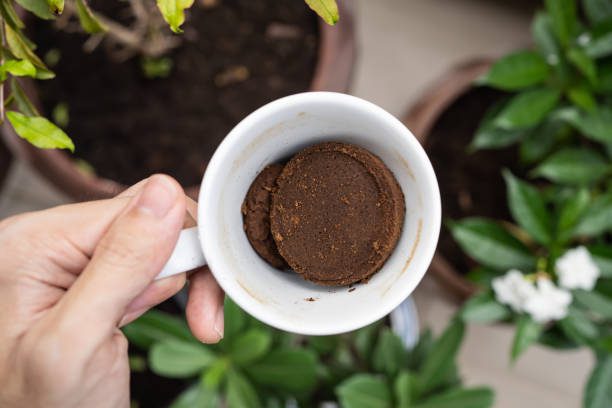
For millions of people, coffee is the vital start to the day. But once the mug is empty and the filters are discarded, the potential of that morning brew is far from over. Instead of sending your used grounds to the landfill, you can recycle this everyday waste product into a potent, natural fertilizer—a “black gold” for your garden and houseplants. Using spent coffee grounds as a soil amendment is one of the easiest, most sustainable, and most cost-effective ways to boost the health and vitality of your plants. It reduces kitchen waste, feeds your soil microbiome, and provides essential nutrients that commercial fertilizers often overlook. Here is an informative guide on how to safely and effectively integrate coffee grounds into your gardening routine.
The Nutritional Punch: What Coffee Grounds Offer
Spent coffee grounds are approximately 2% nitrogen by volume, a crucial component for robust leaf growth and overall plant health. While they aren’t a complete N-P-K (Nitrogen, Phosphorus, Potassium) fertilizer, they offer a host of benefits that go far beyond basic feeding:
1. Nitrogen Release
Coffee grounds are considered a “green” material in composting terms, meaning they are rich in nitrogen. However, they are slow-release. As the grounds break down over time, the nitrogen becomes available to the plants, providing a steady, gentle feed rather than the sudden jolt associated with synthetic fertilizers.
2. Soil Structure Improvement
Adding grounds to heavy or clay-like soil helps create better aeration and water retention. The fine, grainy texture loosens the soil, making it easier for roots to access oxygen and water while preventing compaction.
3. Attracting Beneficial Life
Earthworms are essential workers in a healthy garden, and they love coffee grounds. Worms consume the grounds, further breaking them down and depositing their nutrient-rich castings (worm poop) back into the soil, creating a natural cycle of enrichment.
4. Micronutrient Support
In addition to nitrogen, coffee grounds contain valuable trace minerals, including magnesium, calcium, potassium, and phosphorus. These minerals are vital for everything from photosynthesis to strong cell wall development.
Best Practices for Application

While coffee grounds are a fantastic resource, improper application can cause problems like mold growth or soil compaction. The key to successful use is moderation and ensuring the grounds are fully dried or mixed into other materials before use.
1. Dry and Scatter (Top Dressing)
The simplest method is to dry the grounds thoroughly after brewing to prevent clumping. Then, spread a very thin layer (no more than 1/2 inch) directly over the soil surface around your plants.
- Safety Tip: Always rake the grounds lightly into the first inch of topsoil. If applied too thickly, they can form a water-resistant crust that prevents moisture from reaching the roots, or they can promote surface mold (fungal growth).
2. The Composting Champion
The most effective way to use coffee grounds is to incorporate them into your compost heap. Coffee grounds are considered one of the best “activator” ingredients due to their rich nitrogen content, which helps speed up the decomposition of “brown” materials like dried leaves and cardboard. Aim for a ratio where coffee grounds make up no more than 15-20% of your total compost volume.
3. Creating Coffee “Tea” (Liquid Feed)
For an immediate nutrient boost, you can create a liquid fertilizer. Mix two cups of used coffee grounds into a standard five-gallon bucket of water. Let the mixture steep for several days, stirring occasionally. Once steeped, strain the liquid and use it to water plants directly. This method is particularly effective for container plants that need regular feeding.
4. Direct Soil Mix
For new planting beds or annual containers, mix the spent grounds directly into the soil before planting. A ratio of 1 part grounds to 4 parts soil is generally safe and effective, ensuring they are thoroughly dispersed.
A Note on Acidity
A common misconception is that coffee grounds are highly acidic and will dramatically lower your soil pH. While coffee beans are acidic, the brewing process extracts most of the acids into your drink.
Used, rinsed grounds typically possess a near-neutral pH (around 6.5 to 6.8). This makes them safe for most plants.
However, if you are unsure of your soil’s existing pH, or if you have plants that prefer alkaline conditions, use the grounds sparingly. For acid-loving plants—such as blueberries, azaleas, rhododendrons, and hydrangeas—coffee grounds make an excellent amendment that naturally supports their preferred growing environment.
By integrating spent coffee grounds into your gardening routine, you not only reduce household waste but also give your plants the steady, gentle nutritional support they need to thrive.
 Carly
Carly  Leo Allen
  Ananya