
5 min read
997 words
We rely on our clothes dryer daily, often overlooking it until a load takes two or three cycles to dry. When that happens, most people blame the machine itself. However, the root cause is rarely the heating element—it’s the airflow. A restricted or clogged dryer vent is more than just an inconvenience; it’s a massive drain on your energy bill and, critically, a serious fire hazard. Understanding the dynamics of proper dryer airflow is essential for maintaining a safe, efficient home.
This comprehensive guide will walk you through the symptoms of a problematic dryer, explain the often-overlooked environmental risk, and detail the steps you need to take to fix your dryer airflow problem today.
Stop Wasting Time and Energy: How Airflow Impacts Your Dryer
A dryer works by drawing in cool air, heating it, tumbling it around wet clothes, and then expelling the hot, moist air outside through a ventilation duct. This process requires a continuous, open path for air to travel.
When the ventilation duct becomes restricted—typically due to lint buildup, debris, or even animal nesting—the system jams up:
- Moisture Recirculation: The humid air cannot escape efficiently. This means the hot air stays inside the drum, struggling to evaporate the remaining moisture in your clothes.
- Overheating: The trapped hot air causes the dryer’s components to operate at dangerously high temperatures. The machine runs longer, consuming excessive energy and drastically shortening its lifespan.
- Poor Drying Performance: Your clothes remain damp, necessitating repeated cycles and leading to frustration.
If your appliance is running hot but your clothes are still wet, you almost certainly have a clogged dryer vent issue limiting crucial dryer airflow.
5 Warning Signs of a Clogged Dryer Airflow System
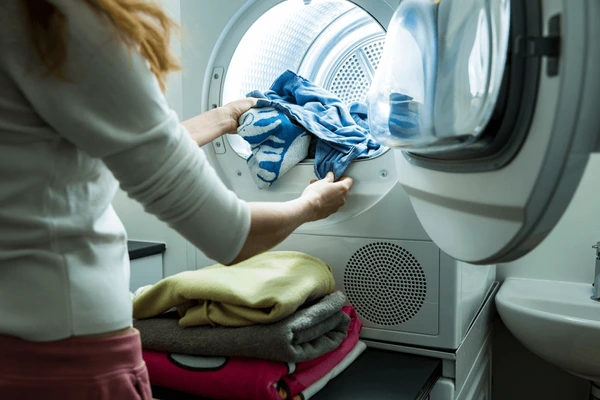
Catching an airflow problem early is the best way to prevent damage and safety risks. Pay attention to these common symptoms:
1. Clothes Take Multiple Cycles to Dry
This is the most obvious sign. If typical loads (like towels or jeans) suddenly require two or three cycles to achieve dryness, your dryer is struggling to expel moisture. This wasted energy can add hundreds of dollars to your utility bills annually.
2. The Exterior of the Dryer is Extremely Hot
It’s normal for the dryer to be warm, but if the top or sides of the machine feel scorching to the touch, it indicates severe heat buildup. The heat sensor (thermistor) is struggling to regulate the temperature because the air has nowhere to go.
3. A Burning Smell During Operation
This is a critical symptom requiring immediate attention. The burning smell is often a result of lint buildup coming into contact with the overheated heating element or motor. Lint is highly flammable, and this smell is a prelude to a potential dryer fire. Stop the dryer immediately if you detect a burning odor.
4. Excessive Lint on Clothing
If lint is trapped inside the machine and cannot escape through the vent, you’ll find significantly more lint remaining on your clothes after a cycle, signaling poor dryer performance.
5. No Visible Airflow from the Exterior Vent Hood
On a windy or cold day, run your dryer on the heat setting and check the exterior vent hood outside your home. If you feel little to no air pressure coming out, or if the vent flap barely opens, the system is severely restricted.
Beyond Efficiency: The Dangerous Truth About Lint Buildup
The primary reason to fix dryer airflow is safety. According to the U.S. Fire Administration, failure to clean or maintain dryers is the leading cause of appliance-related home fires.
Lint—the fluffy byproduct of laundry—is essentially concentrated cotton fibers. When it accumulates inside the ductwork, it creates a highly flammable fuel source. When the lint-clogged duct causes the dryer to overheat, the trapped heat and sparks from the heating element can easily ignite the lint.
Regularly cleaning the vent duct is the single most important step you can take to prevent a dryer fire hazard.
How to Fix the Airflow Problem and Restore Performance
Addressing poor dryer airflow involves two key stages: routine maintenance (DIY) and deep cleaning (Professional).
DIY Maintenance: What You Can Do Regularly
- Clean the Lint Filter Every Time: This is non-negotiable. A clogged lint screen drastically reduces the air intake efficiency.
- Clean Behind the Dryer: At least twice a year, pull the dryer out, disconnect the ventilation hose (usually foil or rigid metal), and manually remove any lint trapped in the immediate hose run and the dryer’s exhaust portal. Use a vacuum hose attachment to reach deeper.
- Inspect the Exterior Termination: Ensure the exterior vent cap is clean and that the flap (if applicable) opens and closes freely. Remove any visible blockages like bird nests or rodent debris.
When to Call a Professional for Airflow Cleaning
While cleaning the immediate hose run is simple, the entire length of your ductwork—especially in homes where the vent runs through walls, up to the roof, or spans more than 15 feet—requires specialized equipment.
We recommend hiring a professional dryer vent cleaning service (certified air duct cleaning specialists) if:
- The dryer exhaust runs over 15 feet.
- The ductwork incorporates multiple elbows or turns, which are known snag points for lint buildup.
- The vent terminates on the roof (requiring safe access).
- You have never had the vent professionally cleaned (most experts recommend a cleaning every 1 to 3 years, depending on usage).
Professionals use powerful negative air machines and rotary brushes to fully dislodge and extract hardened, impacted lint from the entire length of the duct.
Conclusion: Prioritize Your Dryer’s Health
Don’t let poor dryer performance continue to cost you time, money, and peace of mind. Fixing your dryer airflow problem is one of the most cost-effective and crucial home maintenance tasks you can undertake.
By recognizing the signs of a clogged dryer vent and implementing regular cleaning, you ensure maximum energy efficiency, faster drying times, and, most importantly, protect your home from the risk of a dangerous dryer fire hazard. Prioritize airflow—your safety depends on it.
 Carly
Carly  Leo Allen
  Ananya