

7 min read
1243 words
Are you tired of seeing that electricity bill climb higher and higher each month? You’re not alone. Many of us live with the nagging suspicion that our appliances are costing us more than they should, silently draining our wallets. But what if I told you that a significant chunk of that unnecessary electricity usage is easily preventable? It’s not about drastic lifestyle changes or living in the dark; it’s about making smart, simple adjustments to how we use and maintain our household appliances. This post is your guide to reclaiming control of your electricity consumption. We’re going to dive deep into practical, actionable tips that will not only save you money but also contribute to a more sustainable lifestyle. Get ready to transform your appliances from silent energy thieves into efficient, cost-saving partners.
The Phantom Load — The Silent Culprit
Have you ever unplugged a device and felt a slight warmth emanating from its adapter, even though it was switched off? This is the phenomenon of “phantom load” or “vampire power” at play. Many modern appliances, even when not actively in use, continue to draw a small amount of electricity. This can be for a variety of reasons: maintaining memory settings, powering standby indicators, or enabling quick starts. While each individual appliance’s phantom load might seem negligible, when you multiply it by every electronic device in your home – from your TV and gaming consoles to your microwave and coffee maker – it adds up to a surprisingly significant waste of energy.
Think about it: your router is likely on 24/7, your smart TV is always in standby mode, and that phone charger you leave plugged in even when your phone isn’t attached is still drawing power. These seemingly innocent devices are collectively contributing to a constant drain on your electricity supply. The cumulative effect of this phantom load can account for anywhere from 5% to 10% of your total household electricity bill, and in some cases, even more. This is essentially money being zapped into thin air, powering devices that are doing absolutely nothing for you.
The good news is that tackling phantom load is one of the easiest ways to achieve immediate savings. The most straightforward solution is simple: unplug it when you’re not using it. This might sound obvious, but it’s incredibly effective. For devices that are frequently used but not always needed, consider using smart power strips. These strips allow you to control the power flow to multiple devices with a single switch or even on a schedule. You can set them to automatically cut power to your entertainment center when you’re not watching TV or to your office equipment at night.
Another approach is to be mindful of your purchases. When buying new appliances, look for those with low standby power consumption or ENERGY STAR certification, which often indicates better energy efficiency across the board, including in standby modes. For devices with physical power switches that completely cut off the power, make it a habit to flip that switch. It’s a small action that, when consistently applied across multiple appliances, can lead to noticeable reductions in your electricity usage and, consequently, your bills. Don’t underestimate the power of a simple unplugging habit – it’s your first line of defense against unnecessary energy expenditure.
Beyond the Plug – Smart Usage Habits for Every Appliance
While eliminating phantom load is a crucial first step, the real magic happens when we integrate smart usage habits into our daily routines with our appliances. This isn’t about being restrictive; it’s about being intentional and maximizing the efficiency of the devices we rely on. Let’s break down some key areas where small changes can yield big results.
Your Kitchen: A Hub of Energy Potential
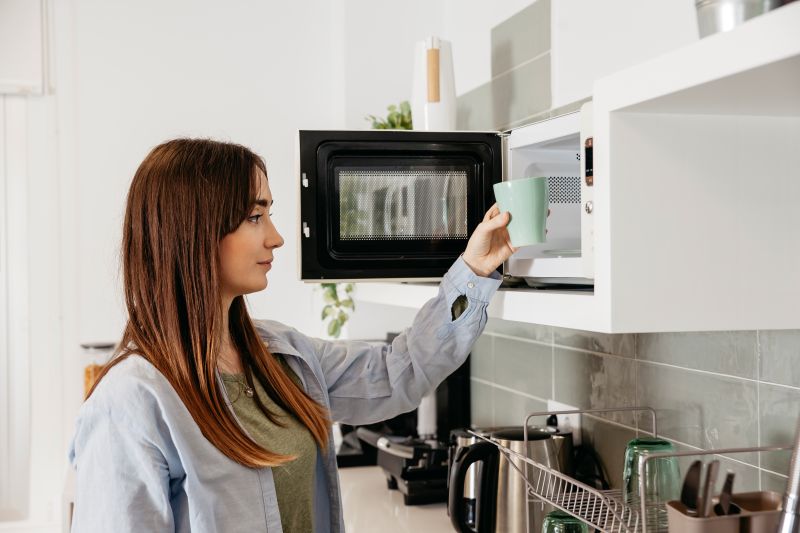
The kitchen is often the heart of the home, and its appliances are major energy consumers. Your refrigerator, for instance, is a constant worker. Ensure its door seals are tight – a simple check for a piece of paper caught in the seal can reveal leaks. A poorly sealed fridge has to work harder, and therefore longer, to maintain its cool. Keep it stocked but not overstuffed, as too little or too much can hinder airflow and efficiency. Also, resist the urge to open the door unnecessarily; know what you want before you open it.
When it comes to cooking, utilize smaller appliances when possible. A toaster oven or a microwave uses significantly less energy than a full-sized oven. If you are using the oven, avoid preheating for longer than necessary and don’t open the door frequently while cooking – each peek releases precious heat. Cleaning your oven regularly also improves its efficiency. For your dishwasher, always run it with a full load. Scrape, don’t rinse, dishes before loading; modern dishwashers are designed to handle food residue. Opt for the air-dry setting instead of the heated dry cycle to save substantial energy.
Laundry Room: Washing Smarter, Drying Faster
The washing machine and dryer are notorious energy hogs. Wash clothes in cold water whenever possible. Modern detergents are highly effective in cold water, and the primary energy consumption in washing comes from heating the water. Again, always run full loads to maximize efficiency. For dryers, clean the lint filter after every use. A clogged filter restricts airflow, making the dryer work harder and longer, and posing a fire hazard. Consider air-drying clothes whenever the weather permits. If you must use the dryer, don’t over-dry your clothes. Remove them when they are still slightly damp; they will finish drying from residual heat and wrinkles will be reduced.
Living Spaces: Entertainment and Comfort
Your television, computer, and entertainment systems can contribute significantly to your energy bill. Turn off devices completely when not in use, rather than leaving them in standby mode. This is where those smart power strips we discussed earlier can be incredibly useful. Adjust screen brightness on your TV and monitors. Brighter screens consume more energy. For air conditioning and heating, proper insulation and regular maintenance of your HVAC system are paramount. Invest in a programmable thermostat and set it to adjust temperatures when you’re away or asleep. Even a few degrees difference can lead to substantial savings.
Water Heating: A Constant Need for Efficiency
Your water heater is one of the largest energy consumers in your home. Lower the thermostat setting on your water heater to 120°F (49°C). This is usually sufficient for most household needs and can save you a considerable amount on heating costs. Insulate your water heater tank if it’s an older model, and insulate the hot water pipes as well, especially the first few feet coming from the heater. Fix any leaky faucets immediately, as even a slow drip can waste a surprising amount of hot water and the energy used to heat it.
The Takeaway: Empowering Your Choices
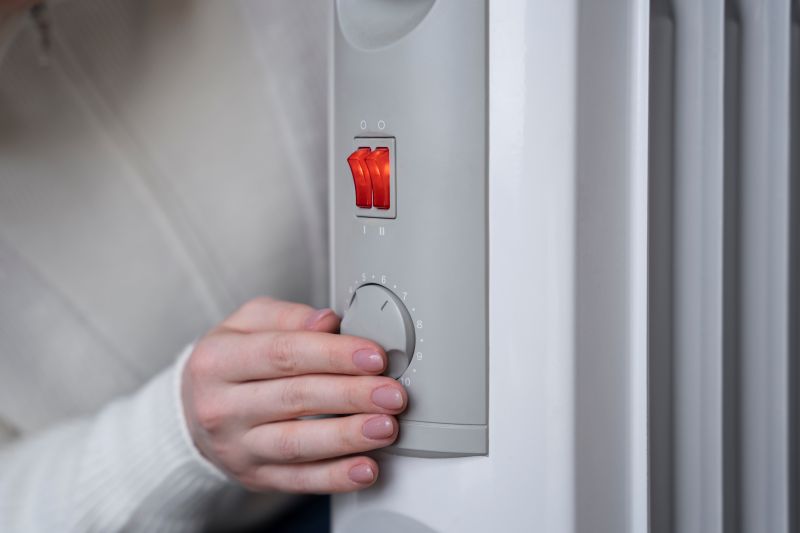
Preventing unnecessary electricity usage with your appliances isn’t about making Herculean efforts. It’s about cultivating conscious habits, understanding how your devices work, and making minor, consistent adjustments. By addressing phantom load and adopting smarter usage patterns across your kitchen, laundry, living spaces, and water heating systems, you’ll not only see a significant reduction in your electricity bills but also contribute to a more sustainable planet. Start small, pick one or two tips that resonate with you, and integrate them into your routine. You have the power to control your energy consumption and, in turn, your finances. Make the smart choice today and start saving!
 Ananya
  Sierra Powell