
8 min read
1430 words
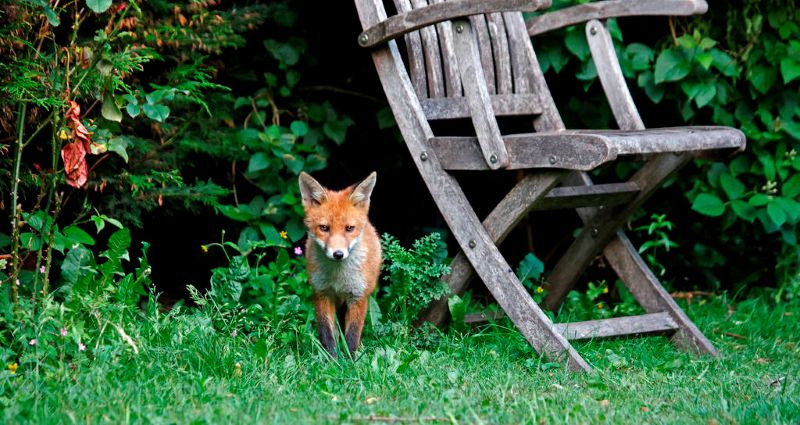
We love nature. We enjoy the chirping of birds at dawn and the sight of a rabbit nibbling clover in the distance. However, that appreciation quickly turns to frustration when we find our vegetable patch decimated by deer, our trash cans raided by raccoons, or our foundation undermined by burrowing groundhogs. The challenge of wildlife management is finding a balance: protecting our investments and property without resorting to harmful or lethal measures. As conscientious homeowners and gardeners, our primary goal should be exclusion and deterrence, ensuring that our yards are simply not worth the effort for local critters. This guide provides an informative, in-depth look at humane, effective strategies designed to help you regain control of your outdoor space while maintaining respect for the wildlife that calls your neighborhood home.
Phase One: Understanding the Attractants
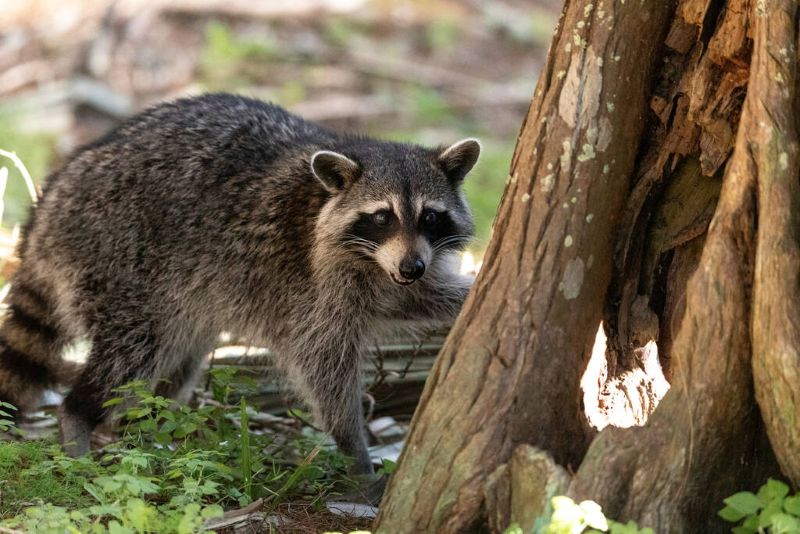
Before implementing any defensive measures, the most effective step is often the simplest: eliminating the incentives that draw wildlife to your property in the first place. Animals are motivated by three core needs: food, water, and shelter. By disrupting these sources, you make your yard significantly less appealing.
1. Secure Food Sources Rigorously
- Garbage: This is the primary driver for nocturnal scavengers (raccoons, possums, bears). Use heavy-duty cans with tight-fitting, locking lids. Consider securing cans to a fixed structure or storing them in a locked shed until collection day. Clean the outside of the cans regularly to eliminate residual odors.
- Pet Food: Never leave pet food outside overnight. If you feed pets outdoors, remove all bowls immediately after feeding.
- Bird Feeders: While delightful, bird feeders are calorie magnets for squirrels, chipmunks, and even bears. Consider removing feeders temporarily if problem species are detected, or ensure all seed is stored in airtight containers. Use squirrel-proof feeders when possible.
- Fallen Fruit: If you have fruit trees, ensure fallen fruit is collected daily, as fermentation attracts pests and insects, which in turn attract larger animals like skunks and raccoons looking for a quick meal.
2. Eliminate Water Access
Standing water—even small puddles, leaky hoses, or open birdbaths—can provide essential hydration, particularly in dry seasons. Ensure drainage is effective and fix any leaks promptly. If you use a birdbath, consider elevating it significantly or investing in a solar-powered dripper, which provides water but is less accessible to ground-dwelling nuisances.
3. Minimize Shelter Opportunities
Critters seek safe places to nest, raise young, and hide from predators. Look for potential den sites:
- Deck and Porch Skirting: Seal gaps beneath decks, porches, and sheds using heavy-gauge hardware cloth buried at least 12 inches into the ground (often bent outwards into an L-shape—a technique called L-footing—to prevent burrowing underneath).
- Wood Piles: Stack wood tightly and elevate it off the ground. Store it away from the foundation of your home.
- Overgrown Vegetation: Keep bushes and shrubs trimmed, particularly those close to the house, to remove potential hiding spots for rabbits, mice, and other ground-level animals.
Physical Barriers and Exclusion Techniques (The Hard Defense)
When simple removal of attractants isn’t enough, physical exclusion becomes necessary. Durable, well-installed barriers are often the most reliable, long-term solution for maintaining critter-free zones.
Fencing: Tailored to the Target
The type of fence you need depends entirely on the animal you are trying to exclude. A fence designed to stop rabbits will be useless against deer.
The Deer Challenge
Deer are perhaps the most challenging garden pests due to their jumping ability.
- Height is Key: For deer, a fence must be at least 8 feet tall. Anything shorter may be viewed as a light obstacle.
- Double Fencing: If 8-foot fencing is impractical, install two parallel fences, spaced about four feet apart. Both fences can be shorter (e.g., 5 feet tall). Deer are poor judges of depth and usually refuse to jump into a confined space where they cannot easily land and take off again.
- Slanted Fences: Another effective modification is to slant a 6-foot fence outward at a 45-degree angle. This increases the vertical difficulty of the jump without requiring maximum materials.
The Burrowing and Ground-Level Challenge (Rabbits, Skunks, Groundhogs)
Ground-level pests require defenses that extend both above and below the soil line.
- Size Matters: Use hardware cloth or wire mesh with openings no larger than 1 inch to exclude rabbits and groundhogs.
- Burying the Barrier (L-Footing): The crucial step is burying the fence. Dig a trench 12 to 18 inches deep. Insert the bottom of the fencing material, and then bend the bottom 6 inches outward in an ‘L’ shape before backfilling the trench. If a burrowing animal starts digging next to the fence, they will immediately hit the buried, outward-facing mesh (the ‘foot’), discouraging them from continuing.
- Garden Beds: For raised beds, completely enclose the entire perimeter, including the open top, with netting or caging during the growing season.
Netting and Caging
For protecting specific trees, fruit bushes, or small garden plots, temporary netting is invaluable.
- Bird Protection: Drape lightweight netting over fruit trees or berries right before ripening. Ensure the netting is taut and secured or suspended so birds cannot become trapped in loose folds.
- Trunk Protection: For young trees, install tree guards or wire cages around the trunk to prevent gnawing damage from rabbits or rodents during the winter months. Make sure the barrier extends above the expected maximum height of the snow line.
Sensory Deterrents and Habitat Management (The Soft Defense)
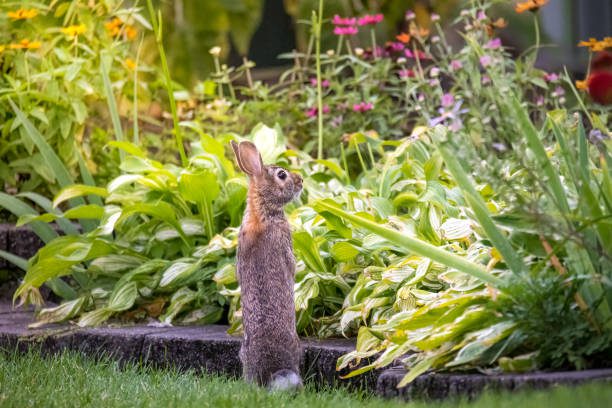
While physical barriers are absolute, sensory deterrents work by convincing the animal that the area is either dangerous or simply unpleasant. These methods rely on sounds, smells, and movement, and are most effective when used intermittently or in combination with other methods, as animals quickly habituate to constant, unchanging stimuli.
Non-Toxic Scents and Taste Repellents
Animals rely heavily on their sense of smell. Introducing scents associated with predators or unpleasant tastes can encourage them to move on.
- Predator Scents: Products containing the urine of natural predators (coyotes, foxes) can be highly effective, especially for rabbits and deer. Apply these repellents to rags or cotton balls placed strategically around the perimeter, refreshing them frequently.
- Taste Repellents (Capsaicin): For animals that browse (deer, squirrels), sprays containing extremely bitter or spicy capsaicin (chili pepper extract) can be sprayed directly onto non-edible foliage. This must be reapplied frequently, especially after rain. Note: Never use these sprays on food crops intended for human consumption without confirming the product is food-safe and following the recommended wash-off period.
- Home Remedies: Some success can be found with strong-smelling items like garlic, mint, or soap shavings (like Irish Spring), although these generally require very frequent reapplication.
Sound and Motion Activation
Critters are naturally wary of rapid, unexpected changes in their environment.
- Motion-Activated Sprinklers: These devices are perhaps the most reliable humane deterrents available. They connect to a garden hose and use a battery-powered sensor to detect movement. When an animal enters the zone, the sprinkler releases a sudden, powerful, and noisy burst of water. They are highly effective on deer, raccoons, skunks, and cats, serving as a harmless but immediate negative reinforcement.
- Ultrasonic Devices: These emit high-frequency noises intended to bother small mammals. Their effectiveness is highly variable, as the sound waves can be blocked by foliage, and some animals appear immune to the effects. They are best used in confined spaces rather than open yards.
- Visual Deterrents: While less effective on their own, objects like reflective tape, shiny streamers, Mylar balloons, or old CDs hung from trees can deter birds and squirrels by catching the light and creating confusing movement.
Humane Trapping and Relocation (The Last Resort)
In rare cases where an animal has taken up residence within a structure (like a chimney or shed) and cannot be deterred, humane traps may be necessary.
- Consult Professionals: Always contact local animal control or a wildlife relocation specialist before setting a trap. Many jurisdictions have strict laws regarding the trapping and relocation of specific species.
- Avoid DIY Relocation: Relocating an animal yourself is often illegal, highly stressful for the animal, and rarely successful. The animal often tries to return, or, if dropped off in an unknown location, may not survive. Professionals are trained to handle the animal safely and release it appropriately.
Conclusion: Commitment to Coexistence
Managing wildlife conflict humanely is a commitment that requires patience, observation, and adaptability. What works for a fox in one neighborhood might fail against a determined groundhog in another.
By systematically eliminating attractants, implementing robust physical protections, and employing sensory deterrents strategically, you create a landscape where wildlife is respected but your property remains secure. The goal is not eradication, but rather peaceful, harmonious coexistence, encouraging our wild neighbors to seek food and shelter responsibly outside the boundaries of our carefully cultivated spaces.
 Leo Allen
  Ananya