
6 min read
1001 words
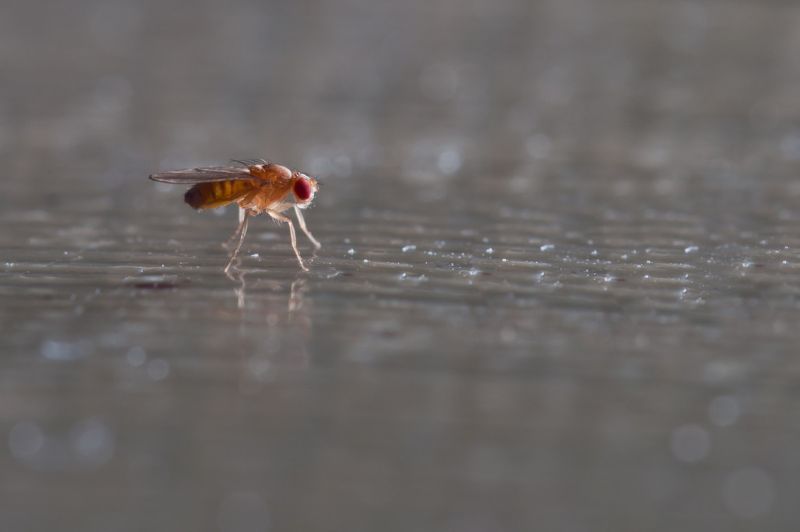
Few things are as irritating as the sudden appearance of a swarm of tiny fruit flies, seemingly out of nowhere, buzzing around your kitchen. These minute pests, often no bigger than ⅛ inch, are strongly attracted to ripe and fermenting fruits and vegetables, as well as other sugary and moist organic matter. They can multiply at an alarming rate, turning a minor nuisance into a full-blown infestation in a matter of days. Understanding their habits and taking proactive steps are crucial to keeping your home a fruit fly-free zone.
Fruit flies (Drosophila melanogaster) don’t just appear magically; they are either carried into your home on fresh produce or enter through open doors and windows, lured by the scent of ripening fruit. Once inside, they lay eggs – up to 500 at a time – on the surface of fermenting food. These eggs hatch into larvae within 24-30 hours, feed on the decaying matter, and then mature into adults in about a week. This rapid life cycle means that ignoring a few flies can quickly lead to hundreds. The key to prevention lies in eliminating their food sources and breeding grounds before they even have a chance to settle in.
Proactive Prevention: Creating an Uninviting Environment
The most effective way to prevent fruit fly infestations is to remove anything that might attract them. This involves vigilance and consistent kitchen hygiene. Think of your kitchen from a fruit fly’s perspective: where would they find an easy meal and a suitable place to raise their families?
Firstly, proper produce storage is paramount. As soon as you bring groceries home, separate your fruits and vegetables. Items that attract fruit flies most, like bananas, tomatoes, onions, and potatoes, should be stored in the refrigerator once they reach peak ripeness. Berries, grapes, and other highly perishable fruits should always be refrigerated. If you prefer to keep certain fruits at room temperature for optimal ripening, such as avocados or unripe bananas, ensure they are consumed or moved to the fridge as soon as they are ready. Never leave overripe or rotting fruit on countertops; even a single forgotten apple can become a breeding ground.
Beyond produce, maintaining impeccable cleanliness is essential. Wipe down kitchen counters and stovetops daily to remove any crumbs, spills, or sticky residues. Pay particular attention to areas where drinks might have spilled, as even a dried-up splash of juice can attract flies. Regularly empty your trash cans, especially those used for food waste. If possible, use trash cans with tight-fitting lids and take kitchen waste out to an outdoor bin daily. Similarly, rinse out recycling bins, particularly if they contain soda cans, beer bottles, or wine bottles, as residual sugars are highly attractive to fruit flies.
Your sink area also requires attention. Don’t leave dirty dishes in the sink overnight, as food particles and standing water create an ideal environment for fruit flies. Wash dishes promptly or load them into the dishwasher. Regularly clean your sink drains, as rotting food particles and grime can accumulate there and become a hidden breeding ground. Pouring boiling water down the drain or using a drain cleaner specifically designed to break down organic matter can help. If you have a compost bin indoors, ensure it has a tight-fitting lid and empty it frequently. For outdoor composters, make sure they are well-maintained and away from direct access to your home.
Effective Strategies for Existing Infestations and Continuous Control
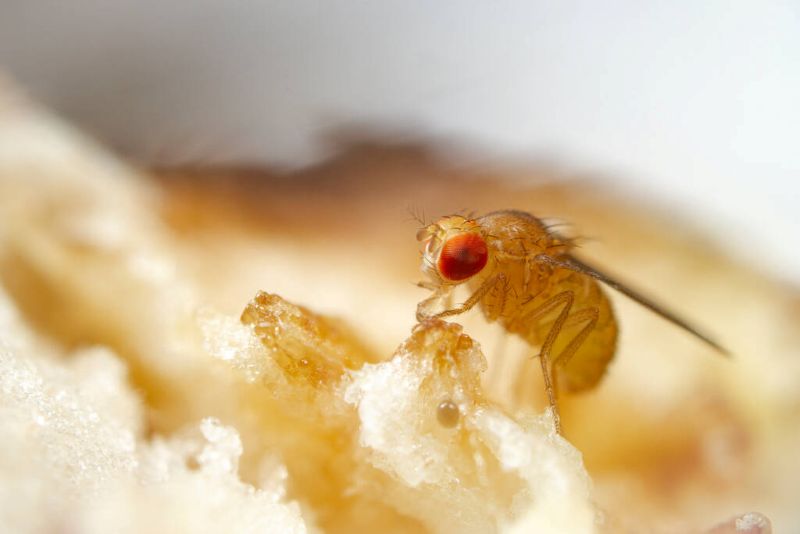
Despite your best efforts, fruit flies can sometimes still find their way in, or an infestation might already be underway. When prevention fails, or you’re dealing with a persistent problem, you need to act quickly to eliminate the existing population and their breeding sources.
One of the most widely recommended and effective home remedies for catching fruit flies is a simple trap using common household items. Try vinegar and dish soap to slow down an infestation. To make this trap, simply pour about an inch of apple cider vinegar into a small bowl or jar. Apple cider vinegar is particularly attractive to fruit flies due to its fermenting fruit scent. Add a few drops of liquid dish soap to the vinegar. The dish soap breaks the surface tension of the vinegar, causing the flies to sink and drown once they land on it, rather than being able to simply land and fly away. You can optionally add a pinch of sugar or a small piece of overripe fruit to further enhance the lure. Place these traps in areas where you see the most fruit fly activity, such as near your fruit bowl or sink. You’ll likely be surprised by how many flies it catches within a few hours. Replace the solution daily for maximum effectiveness.
While traps are great for catching adult flies, they won’t solve the problem if you don’t identify and remove the breeding source. This is the most crucial step. Scrutinize every corner of your kitchen: check under appliances for forgotten food, inspect your pantry for open bags of grains or spilled sugar, look at houseplants for overly wet soil or decaying leaves, and even empty soda cans or beer bottles that might have been overlooked. Sometimes, the source isn’t obvious, so a thorough, systematic search is necessary. Once you find the source, dispose of it immediately and thoroughly clean the area.
Beyond the vinegar trap, other strategies can complement your efforts. Ensure your window and door screens are in good repair to prevent external entry. If you have houseplants, avoid overwatering, as excessively moist soil can attract fruit flies, and remove any fallen or decaying leaves from the pots. For stubborn drain issues, consider using a stiff brush to manually clean the inside of pipes where organic matter might cling.
By combining diligent preventive measures with quick, targeted action against any existing populations, you can effectively manage and prevent fruit fly infestations, ensuring your kitchen remains a clean, comfortable, and pest-free space. Consistency is key; a little effort each day can save you a lot of annoyance in the long run.
 Carly
Carly  Leo Allen
  Ananya