
7 min read
1233 words
Moving to a new house or simply transitioning to a different room within your home can be an exciting adventure, but for children, it can also be a significant adjustment. A new bedroom, while full of potential, can sometimes feel unfamiliar or even a little scary. As parents, guardians, or caregivers, our goal is to make this transition as smooth and positive as possible, helping our little ones settle into a new bedroom with ease and confidence.
The good news? You have the power to transform a new space into a comforting sanctuary. This guide will walk you through practical steps, from involving your child in the process to smart design choices, ensuring their new room feels like home in no time.
Why a New Bedroom Can Be Tricky for Kids
Children thrive on routine and familiarity. A change in their sleeping environment can disrupt their sense of security. They might miss the comfort of their old room, worry about new sounds, or feel anxious about being in an unfamiliar space. Acknowledging these potential feelings is the first step towards creating a successful transition.
First Steps to a Smooth Transition: Settling In Success
Helping your child settle into a new room begins long before the first box is unpacked. Thoughtful preparation and ongoing support are key.
- Communication is Key: Talk about the upcoming change openly and positively. Explain why they’re getting a new room (e.g., “You’re getting so big, you need more space!” or “This new house has a lovely room just for you!”). Answer their questions patiently and validate any worries they might have.
- Familiar Faces & Items First: When setting up the new room, prioritize bringing in familiar items. Their favorite blanket, beloved stuffed animals, a cherished book, or family photos should be among the first things placed. These anchor items provide immediate comfort and a sense of continuity.
- Maintain Routine: Consistency is crucial. Try to keep bedtime routines (bath, story, lullaby) as similar as possible in the new room. This predictable sequence helps signal to their brain that it’s time to wind down, regardless of the new surroundings.
- Positive Associations: Make the new room a fun place during the day. Spend time playing games, reading stories, or simply cuddling in the new space. This helps them associate the room with positive experiences, not just sleep or separation anxiety.
- Patience and Reassurance: Every child adjusts at their own pace. There might be a few nights of disrupted sleep or extra cuddles needed. Be patient, offer reassurance, and celebrate small victories as they grow more comfortable.
Creating a Sanctuary: Stability Through Thoughtful Bedroom Design
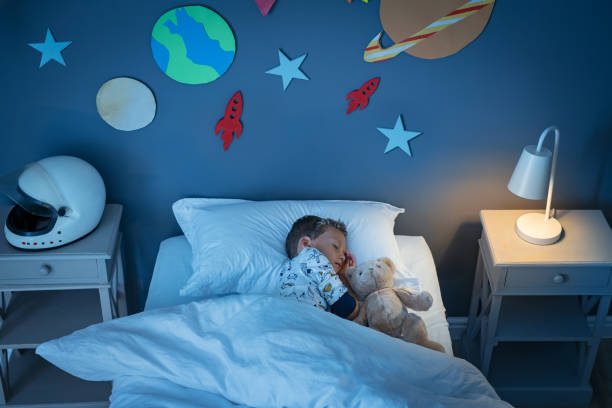
Creating stability through bedroom design goes beyond just aesthetics; it’s about crafting an environment that feels safe, secure, and conducive to rest and play. Thoughtful design can significantly impact a child’s sense of well-being in their new space.
- Beyond Aesthetics: The Psychology of Space: Consider how different elements contribute to a feeling of calm. A cluttered room can feel chaotic, while a well-organized space promotes a sense of order and peace.
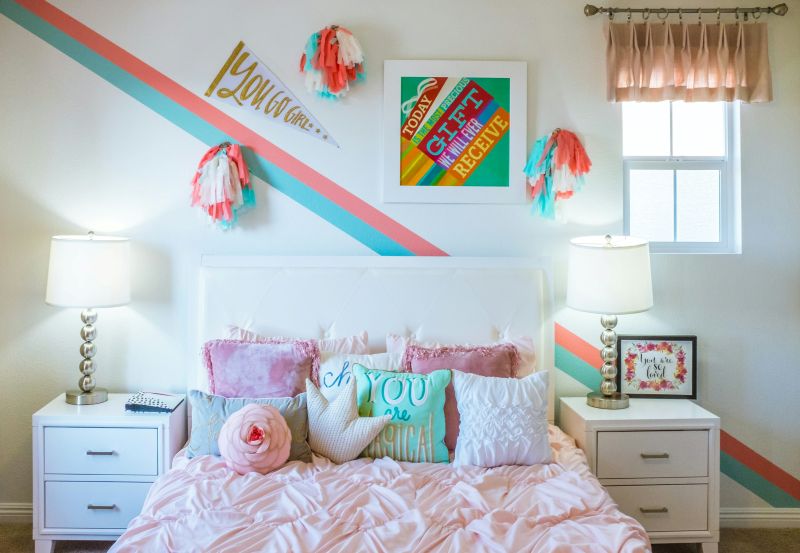
- Color Palette for Calm: Opt for soothing, gentle colors on the walls and in decor. Soft blues, greens, neutrals, and pastels are known to promote relaxation and tranquility, which can be especially helpful for sleep. Avoid overly bright or stimulating colors, at least in the main sleep zone.
- Lighting Matters: Good lighting is essential. During the day, maximize natural light. At night, ensure there are options for gentle, ambient lighting. A dimmable nightlight can provide reassurance without disrupting sleep. Blackout blinds or curtains are also a smart investment to block out external light and help regulate sleep cycles.
- Zoning for Functionality: If space allows, delineate different areas. A cozy corner for reading, a designated spot for creative play, and a clear sleeping area can help your child understand the room’s various purposes and reduce overstimulation at bedtime.
- Smart Storage Solutions: Clutter can be overwhelming. Incorporate accessible storage solutions like toy bins, bookshelves, and drawers. When everything has a place, it provides a sense of order and makes tidying up easier, fostering independence and reducing anxiety.
- Safety First: Always ensure the room is child-proofed. Secure heavy furniture to the walls, cover electrical outlets, and keep cords out of reach. A safe environment is foundational for a child’s sense of security.
Empowering Your Child: Getting Them Involved in the Design Process
One of the most powerful tools for helping your child embrace their new room is to give them a sense of ownership. Getting your child involved in the design process not only makes it a fun activity but also significantly reduces apprehension about the change.
- Why Involvement is Crucial: When children have a say, they feel valued and empowered. This sense of control can turn a potentially stressful situation into an exciting project, fostering enthusiasm for their new private space.
- Age-Appropriate Choices: The level of involvement will naturally vary by age:
- Younger Children (Toddlers & Preschoolers): Offer limited choices. For example, “Do you want the blue or the green bedding?” or “Which of these two toy bins do you like best?” Let them pick out a few favorite items to display.
- School-Aged Children: They can have more input on a room theme (e.g., space, jungle, fairy tale), help select paint colors from a curated selection, or choose a new desk chair.
- Pre-Teens & Teens: Give them significant autonomy over their space, within reasonable budget and safety limits. They can contribute to furniture arrangement, wall decor, and overall style.
- Designing Together: Turn it into a collaborative project. Look at inspiration pictures online or in magazines. Ask them what they envision for their dream room. Even if not all ideas are feasible, the act of brainstorming together is valuable.
- Shopping Trip Fun: If possible, include them in a shopping trip for a new item or two. Letting them pick out a special lamp, a new rug, or a piece of wall art can make them feel like their new room is truly theirs.
- The “Big Reveal”: Once the basic setup is complete, make it an exciting reveal! Let them be the first to open the door to their newly designed space. This anticipation and excitement can create a lasting positive memory.
Making the New Room Their Own: Final Touches
The finishing touches are where personality truly shines and where your child’s new bedroom transforms into a beloved personal haven.
- Personalize with Art & Photos: Display their artwork, favorite drawings, or family photos. These familiar images create warmth and a sense of belonging.
- Comforting Textures: Incorporate soft, inviting textures. A plush rug, cozy blankets, and decorative pillows add warmth and comfort, making the room feel more welcoming.
- A Special “New Room” Tradition: Establish a fun tradition to mark the new beginning. Perhaps a special new book to read in the room, a unique bedtime story only told there, or a small “welcome to your new room” gift.
Embrace the Journey
Helping your child settle into a new bedroom is a process that requires patience, understanding, and a touch of creativity. By communicating openly, maintaining familiar routines, designing a stable and comforting environment, and empowering them through involvement, you can transform what might initially be a daunting change into an exciting new chapter. Remember, their sense of security and happiness is the ultimate design goal. Embrace the journey, and watch as your child blossoms in their wonderful new space!
 Leo Allen
  Ananya
  Sierra Powell