
8 min read
1428 words
The last stretch of winter can feel like the longest. The festive cheer has faded, the days are short, and the garden often lies dormant under a blanket of gray. It’s a time of waiting, of anticipating the first true signs of spring. But what if you didn’t have to wait? Nature has a secret weapon against the late-winter doldrums: a remarkable cast of resilient, beautiful flowers that defy the cold. These aren’t just early spring flowers; they are true winter warriors, pushing through frozen soil and even snow to offer a splash of color and a promise of the life to come.
This guide is dedicated to those champions of the cold—the flowers that bloom in late winter, turning a barren landscape into a canvas of hope and beauty.
Why Plant a Late-Winter Blooming Garden?
Before we dive into our favorite varieties, let’s talk about the “why.” A winter garden is more than just a pretty sight; it’s a powerful tool for well-being and ecological health.
- Boosts Your Mood: The simple act of seeing color and life in your garden during the coldest months can have a significant positive impact on your mental health, combating the seasonal blues.
- Supports Early Pollinators: On milder winter days, brave bumblebees and other pollinators emerge in search of nectar. Late-winter bloomers provide a critical first food source for these essential creatures.
- Creates Year-Round Interest: A well-planned garden offers something to see in every season. These plants provide a vital bridge between the starkness of winter and the explosion of spring.
- Gives You a Head Start: By the time spring officially arrives, your garden will already be awake and alive with color and fragrance.
Our Top Picks for Resilient Late-Winter Flowers
Ready to add some life to your landscape? Here are some of the most reliable and stunning plants that put on a show from late January through March.
1. Hellebore (Lenten Rose)
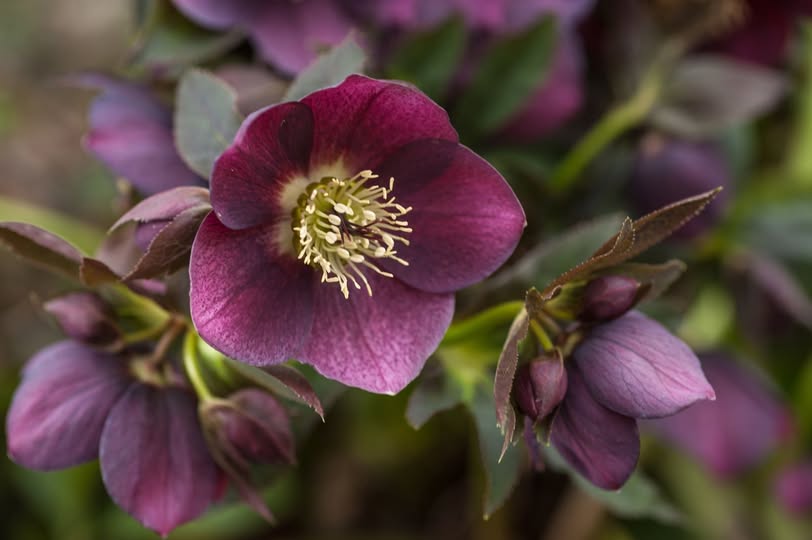
Often called the queen of the winter garden, the Hellebore is an absolute must-have. Its exquisite, cup-shaped flowers appear in a stunning range of colors—from snowy white and soft pink to deep plum and near-black.
- Why We Love It: Hellebores are incredibly tough, deer-resistant, and thrive in the dry shade under deciduous trees. Their leathery, evergreen foliage looks great year-round.
- Growing Tips: Plant in well-draining, rich soil in partial to full shade. They are drought-tolerant once established.
- Varieties to Try: ‘Winter Jewels’ series, ‘Ivory Prince’, ‘Pink Frost’.
2. Snowdrop (Galanthus)
Is there any sight more hopeful than a Snowdrop pushing its way through the snow? These delicate, bell-shaped white flowers are the quintessential harbingers of spring. Planted in drifts, they create a breathtaking carpet of white.
- Why We Love It: They are exceptionally cold-hardy and will naturalize over time, meaning your display gets better every year.
- Growing Tips: Plant bulbs in the fall in a spot with moist, well-draining soil and partial shade (they love the light under leafless trees).
- Varieties to Try: Galanthus nivalis (Common Snowdrop), Galanthus elwesii (Giant Snowdrop).
3. Witch Hazel (Hamamelis)
For fragrance and unique structure, nothing beats Witch Hazel. This deciduous shrub unfurls its spidery, ribbon-like flowers on bare branches in late winter. The blooms, in shades of fiery yellow, orange, and red, often carry a spicy, intoxicating scent that perfumes the cold air.
- Why We Love It: It provides architectural interest, incredible fragrance, and fantastic fall color, making it a true four-season plant.
- Growing Tips: Plant in full sun to part shade in well-draining, acidic soil. Give it room to grow into its natural vase shape.
- Varieties to Try: Hamamelis x intermedia ‘Arnold Promise’ (yellow), ‘Diane’ (red), ‘Jelena’ (coppery-orange).
4. Winter Crocus (Crocus chrysanthus, Crocus tommasinianus)
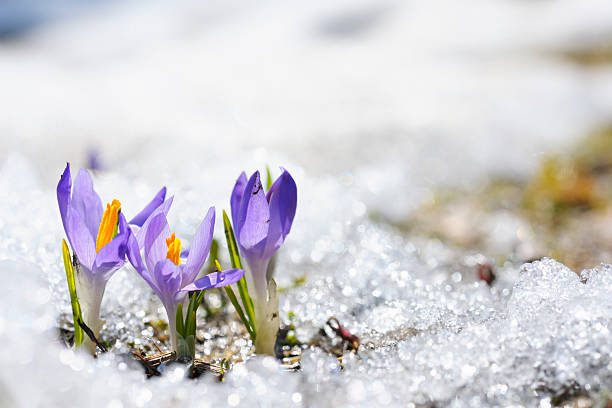
While many crocuses are early spring bloomers, certain species are true winter specialists. These smaller, more delicate crocuses pop up in late winter, often right alongside snowdrops, providing a vibrant splash of purple, yellow, and white.
- Why We Love It: They are perfect for naturalizing in lawns, rock gardens, or at the front of borders. Squirrels also tend to leave the tommasinianus species alone.
- Growing Tips: Plant corms in the fall in a sunny, well-draining location.
- Varieties to Try: ‘Ruby Giant’ (purple), ‘Cream Beauty’ (creamy yellow), ‘Blue Pearl’ (pale blue).
5. Winter Aconite (Eranthis hyemalis)
Imagine a carpet of sunshine on the forest floor. That’s Winter Aconite. These low-growing tubers produce cheerful, buttercup-yellow flowers surrounded by a frilly green collar, often blooming right through the snow.
- Why We Love It: They are one of the earliest and brightest winter blooming plants, perfect for planting under trees where they will multiply freely.
- Growing Tips: Soak the tubers overnight before planting in the fall. They prefer moist, humus-rich soil in partial shade.
6. Sweet Box (Sarcococca confusa)
Don’t let its humble appearance fool you. Sweet Box is grown for its scent. The tiny, creamy-white flowers are almost hidden among its glossy, dark green leaves, but they produce a powerful, honey-vanilla fragrance that can stop you in your tracks.
- Why We Love It: It’s an evergreen shrub that’s perfect for shady entryways or paths where its winter perfume can be fully appreciated.
- Growing Tips: A true shade-lover, it thrives in moist, well-draining soil and is very low-maintenance.
7. Winter Heath (Erica carnea)
For long-lasting groundcover color, look no further than Winter Heath. This low-growing, evergreen shrub is covered in masses of small, bell-shaped flowers in shades of pink, purple, and white for months on end.
- Why We Love It: It’s drought-tolerant, deer-resistant, and provides excellent texture and color when little else is happening in the garden.
- Growing Tips: Unlike most heaths, this species is tolerant of alkaline soils. Plant in full sun and well-draining soil.
8. Camellia (Camellia japonica & sasanqua)
The roses of winter, Camellias offer large, showy blooms in a vast array of colors and forms. While Sasanqua varieties start in fall, many early-blooming Japonica cultivars begin their display in late winter, providing a touch of Southern elegance to the cold season.
- Why We Love It: Their glossy evergreen leaves and spectacular flowers make them stunning focal points.
- Growing Tips: Plant in acidic, well-draining soil in a location with morning sun and afternoon shade, protected from harsh winter winds.
9. Reticulated Iris (Iris reticulata)
These are the gems of the late-winter garden. Standing only 4-6 inches tall, Reticulated Irises pack a visual punch with their intricate, jewel-toned flowers of deep blue, purple, and yellow.
- Why We Love It: Their petite size makes them perfect for rock gardens, containers, or the very front of a border where their details can be admired.
- Growing Tips: Plant bulbs in the fall in full sun and very well-draining soil to prevent rot.
10. Daphne (Daphne odora)
Known for its unparalleled fragrance, the Winter Daphne is a semi-evergreen shrub that produces clusters of intensely fragrant pinkish-purple flowers in late winter. A single cutting can perfume an entire room.
- Why We Love It: The fragrance is simply one of the best in the entire plant kingdom.
- Growing Tips: Daphnes are notoriously fussy. They demand perfect drainage and hate being moved. Plant in part-shade in a protected spot.
11. Primrose (Primula vulgaris)
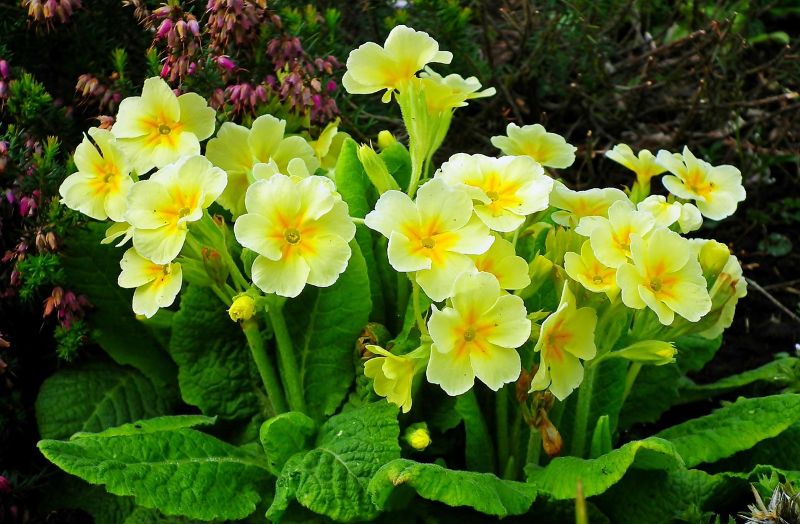
The common Primrose brings a cheerful, cottage-garden feel to the late winter landscape. Its soft yellow (or sometimes pink and white) flowers are a welcome sight in woodland gardens and shady borders.
- Why We Love It: They look wonderful naturalized in large groups and signal that spring is truly on its way.
- Growing Tips: They thrive in cool, moist, shady conditions.
12. Hardy Cyclamen (Cyclamen coum)
With swept-back petals of vibrant magenta, pink, or white, and beautifully patterned, heart-shaped leaves, Hardy Cyclamen creates a magical effect on the winter ground.
- Why We Love It: They are tough, long-lived, and will form beautiful colonies over time, providing both foliage and flower interest.
- Growing Tips: Plant tubers in late summer in gritty, well-draining soil under deciduous trees.
Your Late-Winter Garden Awaits
Winter does not have to be a time of absence in the garden. By choosing a few of these cold-hardy flowers, you can create a landscape that is alive with color, fragrance, and resilience. You can provide for pollinators, lift your own spirits, and watch with delight as life triumphs over the cold.
This autumn, as you’re planting bulbs and preparing your beds for their long winter’s nap, think beyond the tulip. Tuck in some snowdrops, find a place for a hellebore, and invest in a witch hazel. Come February, you’ll be so glad you did.
What are your favorite flowers that bloom in late winter? Share your top picks and winter gardening tips in the comments below!
 Leo Allen
  Ananya