
5 min read
953 words
There are few things more disruptive to the peaceful enjoyment of your indoor jungle than the persistent, irritating buzz of tiny black flies. You see one, then another, until it seems a small, unwelcome cloud has taken up residence around your favourite houseplant. These uninvited guests are most likely fungus gnats, and while they are more of a nuisance to humans than a direct threat, their presence indicates an underlying issue in your plant’s soil that can harm its health over time. Fortunately, reclaiming your home and protecting your plants is entirely achievable with a strategic, two-pronged approach.
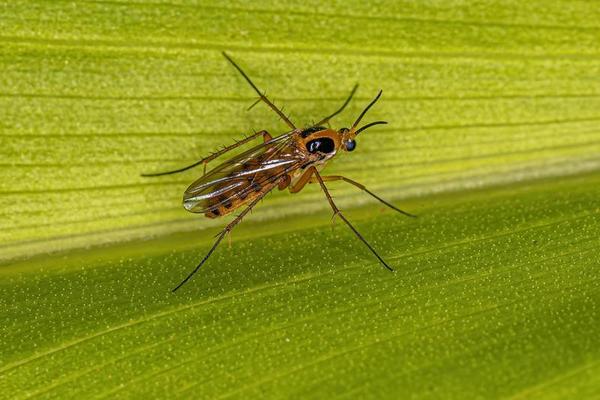
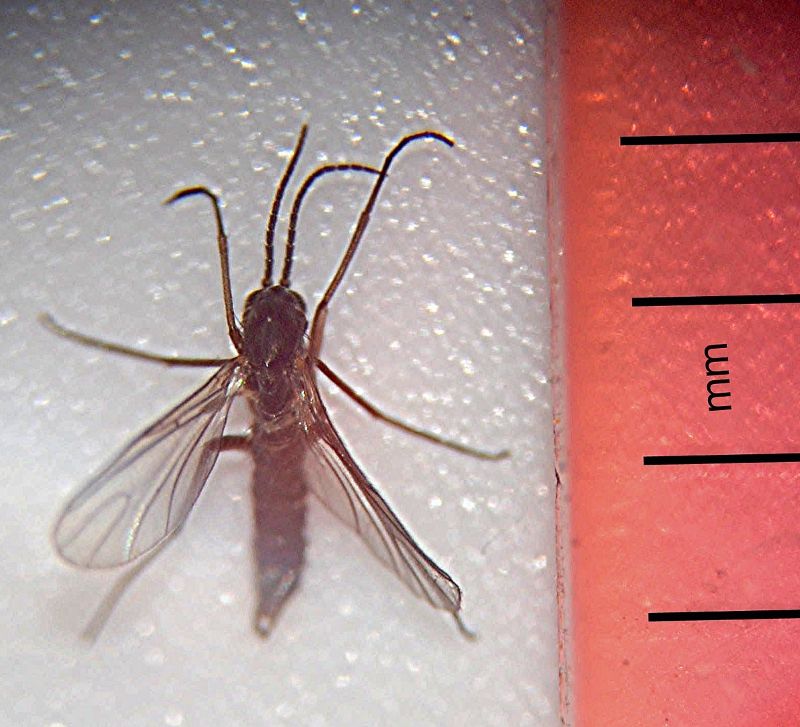
Before diving into solutions, it is crucial to understand the enemy. Fungus gnats (of the families Mycetophilidae and Sciaridae) are small, dark, mosquito-like insects drawn to moisture and decaying organic matter. The adult gnats you see flying around are annoying, but they are relatively harmless. The real problem lies beneath the surface. Adult females lay hundreds of eggs in damp, rich topsoil. These eggs hatch into tiny, translucent larvae that feed on fungi, organic material, and, unfortunately, the delicate root hairs of your plants. A significant larval infestation can lead to stunted growth, yellowing leaves, and general plant decline. Therefore, an effective elimination strategy must target both the flying adults and the soil-dwelling larvae.
Tackling the Adults and Breaking the Cycle
The first step in gaining control is to reduce the population of flying adult gnats. This immediately lessens the annoyance factor and, more importantly, stops them from laying more eggs in the soil. By breaking their life cycle at the adult stage, you prevent new generations from taking hold.
- Utilise Sticky Traps: The most effective and popular method for capturing adult gnats is using yellow sticky traps. Fungus gnats are instinctively attracted to the colour yellow. Place these small, sticky paper stakes directly into the soil of affected plants or hang them from nearby branches. The gnats will fly towards the colour, become trapped on the adhesive surface, and be unable to reproduce. This method serves a dual purpose: it actively reduces the adult population while also acting as a monitoring tool, giving you a clear visual indication of the scale of your infestation.
- Set a Simple Vinegar Trap: You can create a highly effective DIY trap with common household items. Fill a small bowl or jar with an inch of apple cider vinegar, add a few drops of liquid dish soap, and place it near the infested plants. The sweet, fermented scent of the vinegar attracts the gnats, but the dish soap breaks the surface tension of the liquid. When they land to take a drink, they will fall in and be unable to escape. While less visually impactful than sticky traps, this is an excellent supplementary and low-cost method.
- Manual Removal: For a quick, immediate reduction in numbers, a handheld vacuum can be carefully used to suck the flying gnats out of the air and from around the plant’s foliage. This is a temporary fix but can provide immediate relief while your other methods get to work.
Eradicating the Larvae at the Source
Capturing the adults is only half the battle. To truly solve the problem for good, you must create an environment that is inhospitable to the gnat larvae living in the soil. This involves addressing the root cause: excess moisture.
- Adjust Your Watering Habits: This is the single most important preventative and curative measure. Fungus gnat larvae cannot survive in dry soil. Allow the top two to three inches of your plant’s soil to dry out completely between waterings. Instead of watering on a rigid schedule, check the soil with your finger. If it still feels damp, wait. For many plants, adopting a bottom-watering technique can be a game-changer. By placing the pot in a tray of water and allowing it to soak up moisture from the bottom, the top layer of soil remains significantly drier and less appealing to egg-laying gnats.
- Introduce a Soil Drench: For more stubborn infestations, a soil drench can be used to kill larvae and eggs on contact. A simple and safe option is a hydrogen peroxide solution. Mix one part 3% hydrogen peroxide (the common household variety) with four parts water. Wait until the soil is dry, then water your plant thoroughly with this mixture. The solution will fizz as it reacts with the organic matter in the soil, killing gnat larvae and eggs while also providing a beneficial dose of oxygen to the plant’s roots.
- Employ Beneficial Bacteria (Bti): For a potent, targeted biological solution, look no further than Bacillus thuringiensis israelensis (Bti). This is a naturally occurring soil bacterium that is lethal to the larvae of gnats, mosquitoes, and blackflies but completely harmless to plants, pets, and humans. It is sold commercially in products often marketed as “Mosquito Bits” or “Mosquito Dunks.” You can either sprinkle the granules directly onto the soil surface before watering or steep them in your watering can for about 30 minutes to create a Bti-infused tea to drench the soil with. This is a highly effective, long-term solution.
- Create a Physical Barrier: After you have treated the soil, you can prevent future infestations by adding a top dressing. A half-inch layer of coarse sand, decorative pebbles, or diatomaceous earth creates a dry physical barrier over the soil. This makes it difficult for adult gnats to reach the moist soil beneath to lay their eggs, effectively shutting down their reproductive cycle.
By combining these strategies—actively trapping adults while simultaneously treating the soil and adjusting your watering routine—you can effectively and permanently rid your houseplants of fungus gnats. With persistence and a focus on soil health, you will ensure your green companions can thrive in a peaceful, pest-free environment.
 Leo Allen
  Ananya
  Sierra Powell