
9 min read
1671 words
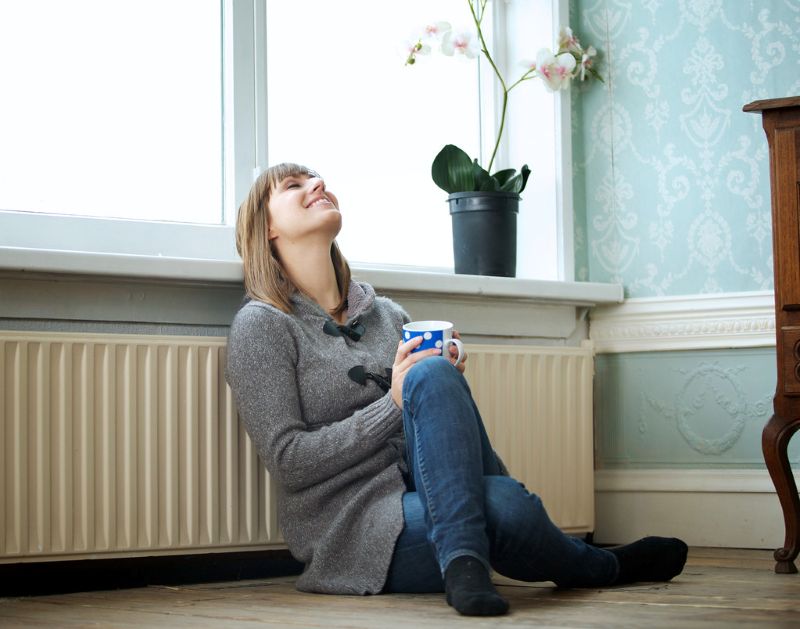
There’s a universal appeal to a warm home, especially as the temperatures drop outside. The temptation to crank up the thermostat, wrap yourself in blankets, and revel in the comforting warmth is strong. We associate warmth with safety, relaxation, and well-being. However, what if that pursuit of extreme indoor warmth, while seemingly innocuous, was actually sabotaging your home’s structural integrity and subtly undermining your health?
The truth is, maintaining an excessively warm indoor environment can have a cascade of negative effects that extend far beyond a higher energy bill. It’s a common misconception that dryness is the only enemy when it comes to home comfort and health. In reality, an overly warm home can inadvertently create the perfect breeding ground for unseen dangers, primarily by significantly increasing indoor humidity levels. This creates a hidden ecosystem where mould and mildew thrive, leading to potential property damage and a range of serious health risks, from chronic respiratory issues to a weakened immune system. Let’s delve into how your quest for ultimate warmth might be creating an unwelcome environment for your home and your health.
The Cozy Deception: How Overheating Invites Humidity
It might seem counterintuitive at first glance. We often associate high humidity with hot, sticky summer days, not the dry air of winter central heating. However, the science behind it is clear: warmer air has a greater capacity to hold moisture. When you keep your home excessively warm, especially without adequate ventilation, you’re creating an environment where existing moisture has nowhere to go and can accumulate to unhealthy levels.
Think about everyday activities that release moisture into your home: taking hot showers, cooking, drying clothes indoors, even breathing. Plants release moisture through transpiration. If your indoor temperature is consistently high, this moisture doesn’t readily dissipate. Instead, it lingers in the air. When this super-saturated warm air then comes into contact with cooler surfaces – such as windows, exterior walls, or unheated basements and attics – it condenses into liquid water. This constant condensation, often unseen, provides the ideal conditions for the rapid proliferation of moisture-loving organisms.
Furthermore, some heating systems, while designed to heat, don’t necessarily manage humidity effectively. While furnaces can dry out the air, homes in colder climates often suffer from insufficient air exchange during winter to conserve heat. This trapping of moisture-laden air, coupled with high temperatures, creates a muggy, stagnant atmosphere ripe for problems. The ideal indoor relative humidity should generally be between 30-50%. When you excessively warm your home, you push this balance, creating an invisible, damp shroud that settles over your living spaces, laying the groundwork for the silent invaders.
The Silent Invaders: Mould and Mildew Proliferation
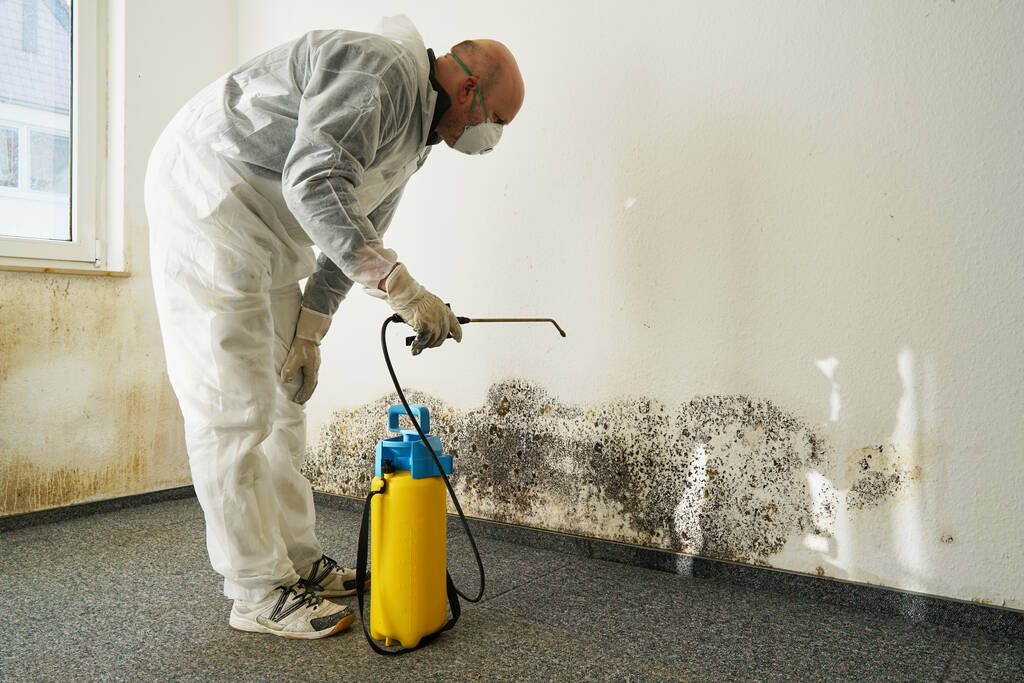
Once indoor humidity levels consistently exceed 60%, you’ve rolled out the welcome mat for mold and mildew. These are not merely unsightly blemishes; they are fungi that reproduce by spores, which are ubiquitous in our environment. They don’t need much – just moisture, a food source (which can be almost any organic material like wood, drywall, fabric, or dust), and a suitable temperature. And that excessively warm, humid home provides the optimal conditions for them to not just survive, but to flourish rapidly.
Mold and mildew can start growing within 24-48 hours of moisture exposure. In an environment of persistent high humidity and warmth, this growth can escalate quickly, turning a minor issue into a significant infestation in a matter of days or weeks. Initially, you might notice a musty odor, a tell-tale sign of hidden mold growth. Soon after, you might spot discolorations—fuzzy green, black, white, or even pink patches—on walls, ceilings, around windows, in bathrooms, kitchens, or even on furniture and clothing.
These silent invaders aren’t picky about where they set up shop. They can silently colonize:
- Bathrooms and Kitchens: High moisture areas already prone to condensation.
- Basements and Attics: Often poorly ventilated and susceptible to temperature fluctuations and hidden leaks.
- Behind Walls: Where pipes might leak or condensation occurs on cold exterior surfaces.
- Under Flooring: Especially after spills or if foundations are damp.
- Window Sills and Frames: Where warm, humid air meets cooler glass, leading to condensation.
- Inside HVAC Ducts: Spreading spores throughout your home with every cycle.
The rapid spread of mold and mildew isn’t just an aesthetic concern. Their presence signals a deeper problem within your home’s environment, actively breaking down the materials they infest, leading to more than just surface damage.
Beyond Aesthetics: Property Damage and Health Risks
The consequences of excessive warmth and the resulting high humidity extend far beyond the unpleasant sight and smell of mold. These conditions pose serious threats to both the longevity of your property and the well-being of its inhabitants.
Property Damage: A Slow, Destructive Process
The “rapid mold and mildew growth” that an overly warm, humid home encourages doesn’t just stain surfaces; it’s a destructive force. Mold literally eats away at organic materials, leading to significant and often costly property damage:
- Structural Integrity: Mold can cause wood rot in framing, subflooring, and ceiling joists, weakening the very bones of your house. Drywall becomes soft, crumbles, and often needs complete replacement.
- Insulation Degradation: Wet insulation loses its effectiveness and becomes a prime breeding ground for mold, demanding expensive removal and replacement.
- Finishes and Fixtures: Paint peels, wallpaper bubbles, and grout deteriorates. Carpets and upholstery can become irreversibly stained and emit persistent musty odors.
- Appliance Damage: High humidity can contribute to corrosion and electrical malfunctions in appliances.
- Personal Belongings: Books, photographs, clothing, and priceless heirlooms stored in humid conditions can be ruined by mold growth.
- Reduced Property Value: A home with persistent mold issues or a history of water damage will undoubtedly suffer a decrease in market value and can be difficult to sell.
The cumulative effect of this damage can necessitate extensive renovations and repairs, costing thousands of dollars—a hidden cost far outweighing the momentary comfort of an overly heated room.
Health Risks: An Invisible Assault

Perhaps even more concerning than property damage are the potential health risks associated with living in a mold-infested, overly humid environment. The air you breathe in such a home is laden with mold spores, fragments, and volatile organic compounds (VOCs) produced by fungi, all of which can act as irritants and allergens.
- Respiratory Issues: This is one of the most common and immediate effects. Mold exposure can trigger or worsen allergies (sneezing, runny nose, itchy eyes, skin rash), asthma attacks, coughing, wheezing, and shortness of breath. For individuals already suffering from respiratory conditions, this environment can be debilitating. Chronic sinus infections and bronchitis are also frequently linked to mold exposure.
- Weakened Immune Systems: Prolonged exposure to mold can place a significant strain on the immune system. Individuals may experience general fatigue, headaches, nausea, skin irritation, and even a heightened susceptibility to other illnesses. The body is constantly working to fight off invaders, diverting resources from other essential functions.
- Mycotoxins and More Severe Symptoms: Some types of mold produce mycotoxins, which are toxic compounds. While severe mycotoxin poisoning is less common from typical indoor mold exposure, chronic exposure to even low levels can contribute to more serious health concerns over time, including neurological issues, liver damage, and immune suppression. Vulnerable populations, such as infants, young children, the elderly, and individuals with compromised immune systems or pre-existing respiratory conditions, are particularly at risk.
Living in a home that looks and feels unhealthy can also take a toll on mental well-being, leading to stress, anxiety, and a decreased sense of comfort and security in one’s own living space.
Reclaiming Comfort and Health: Practical Solutions
The good news is that these issues are largely preventable and manageable. By understanding the link between excessive warmth, humidity, and mold, you can take practical steps to create a truly healthy and comfortable home environment:
- Monitor Temperature and Humidity: Invest in a hygrometer (a device that measures relative humidity) and a reliable thermostat. Aim to keep indoor temperatures between 68-72°F (20-22°C) during the day and slightly lower at night. Maintain relative humidity levels between 30-50%.
- Ensure Proper Ventilation:
- Use Exhaust Fans: Always run bathroom exhaust fans during showers and for at least 30 minutes afterward. Use kitchen exhaust fans when cooking.
- Open Windows: Periodically open windows for short periods, even in winter, to allow for air exchange, especially after high-moisture activities.
- Maintain HVAC Systems: Ensure your heating, ventilation, and air conditioning (HVAC) system is regularly serviced and that air filters are clean.
- Utilize Dehumidifiers: In areas prone to high humidity like basements, laundry rooms, or consistently damp rooms, a portable or whole-house dehumidifier can be invaluable in maintaining ideal humidity levels.
- Address Moisture Sources Promptly: Fix any leaks in plumbing, roofs, or windows immediately. Ensure gutters are clean and allow water to drain away from your foundation.
- Dry Damp Surfaces: Wipe down shower walls, sinks, and other wet surfaces after use. Don’t leave wet towels or clothes lying around.
- Insulate and Seal: Proper insulation in walls, attics, and crawl spaces helps regulate indoor temperatures and prevents condensation on cold surfaces. Seal air leaks around windows and doors.
- Consider Air Purifiers: While not a solution for mold growth, some air purifiers with HEPA filters can help capture airborne mold spores, albeit not at the source.
- Professional Assessment: If you suspect significant mold growth, especially if it covers a large area or is hidden behind walls, it’s best to consult with a qualified mold remediation specialist.
A Truly Comfortable Home is a Healthy Home
The desire for a warm, inviting home is natural, but it’s crucial to understand the delicate balance required to maintain a truly healthy living environment. Overheating your home can unwittingly turn your sanctuary into a breeding ground for mold and mildew, leading to costly property damage and insidious health problems that can diminish your quality of life. By being mindful of indoor temperatures and humidity, and by implementing simple preventative measures, you can ensure your home remains a source of comfort, health, and well-being for years to come. Ultimately, a home that feels good is one that is fundamentally good for you and your property.
 Carly
Carly  Leo Allen
  Ananya