

4 min read
649 words
There’s a unique, nostalgic charm to vintage Christmas blow molds. That glowing Santa Claus on the porch or the cheerful choir of carolers on the lawn can instantly transport you back to holidays past. But over the years, these plastic treasures can suffer from fading paint, accumulated grime, and brittle wiring. The good news is that restoring a blow mold is a highly rewarding project. With a little patience and the right materials, you can bring that faded snowman back to his former glory. Here’s a step-by-step guide to help you get started.
The Deep Clean and Prep Work
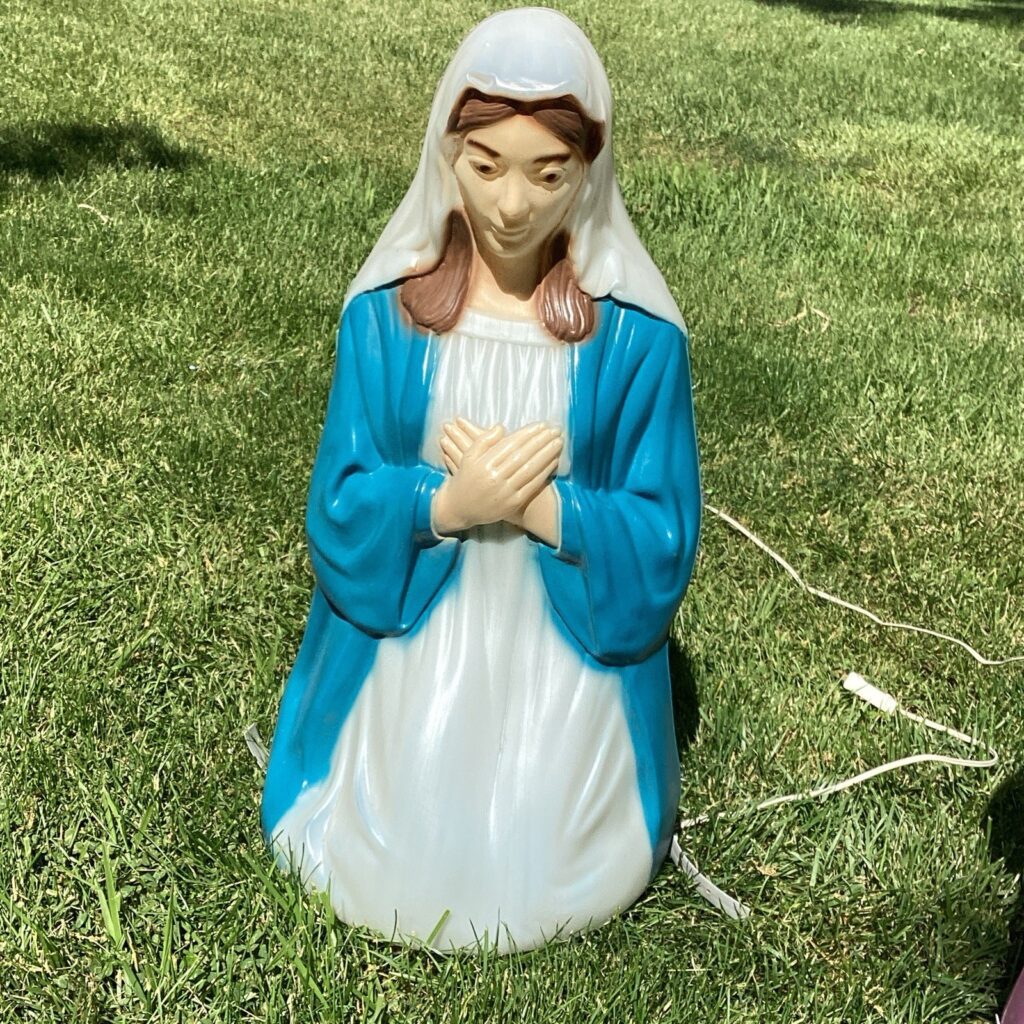
Before you can even think about paint, you need to give your blow mold a thorough cleaning. Decades of exposure to the elements can leave behind a stubborn layer of dirt, mildew, and grime that soap and water alone might not tackle.
Start with the Basics: Begin by washing the entire piece, inside and out, with a bucket of warm water and a mild dish soap. Use a soft-bristled brush or a non-abrasive sponge to gently scrub the surface. An old toothbrush is perfect for getting into tight crevices around facial features or detailed patterns.
Tackling Stubborn Stains: For tougher grime or scuff marks, a melamine foam eraser (like a Magic Eraser) can work wonders. Wet the eraser and gently rub the affected areas in a circular motion. Be careful not to scrub too hard, as this can wear down the plastic itself. Avoid harsh chemicals like bleach or ammonia, as they can damage and discolor the plastic.
Once clean, rinse the blow mold thoroughly with a hose or in a large sink. The most crucial step is to let it dry completely. Place it in a well-ventilated area for at least 24 hours to ensure no moisture is trapped inside, which could interfere with paint adhesion.
Painting, Sealing, and Final Touches
This is where the real transformation happens. Repainting a blow mold requires a steady hand and, most importantly, the right kind of paint.
Choosing Your Paint and Tools: The best paint for plastic blow molds is one designed to bond with plastic surfaces. Look for acrylic paints that are suitable for outdoor use. Many hobbyists have great success with brands like Krylon Fusion for Plastic or Rust-Oleum 2X Ultra Cover, which come in both spray cans and brush-on varieties. For detailed work like eyes, buttons, and lips, small bottles of craft acrylic paint and a set of fine-tipped brushes are ideal.
The Painting Process:
- Masking: Use painter’s tape to create clean, sharp lines between different colored sections. Take your time with this step, as it will make a huge difference in the final result.
- Apply Thin Coats: Whether you are brushing or spraying, always apply paint in thin, even coats. A thick coat is more likely to drip, peel, or crack over time. Allow each coat to dry completely before applying the next one.
- Seal Your Work: After your final coat of paint has cured (check the paint manufacturer’s instructions), it’s wise to apply a protective clear coat. Choose a non-yellowing, UV-resistant acrylic sealer. This will protect your new paint job from chipping and, more importantly, prevent the sun from fading the colors in the future. A matte or satin finish will best preserve the original look of the blow mold.
Electrical Safety: Finally, inspect the light cord. If the wiring is frayed, cracked, or brittle, do not use it. It’s a serious fire hazard. Replacement C7 or C9 light cords are readily available online and at hardware stores. For a modern, safer upgrade, consider switching the incandescent bulb to an LED equivalent. LEDs run much cooler, which is safer for the plastic, and are far more energy-efficient.
With your blow mold beautifully restored, it’s ready to once again become a cherished part of your family’s holiday tradition, glowing brightly for years to come.
 Carly
Carly  Leo Allen
  Ananya
Hi! I’ve been researching repainting my blow molds. I have these exact same pieces in your photos. I was excited to come across your article because every video I watched about painting was saying to strip the paint off first. When I was a teen I repainted two of my parents’ molds with acrylic paint, without stripping first, so I didn’t think it was necessary for these already faded pieces. Do you have any tips to share that you have not mentioned here? Thank you for your article.
If your blow mold has developed oxidation or stains, you’ll need to take extra steps to remove them. Mix equal parts water and white vinegar in a bowl, and soak the blow mold for several hours or overnight. The acid in the vinegar will help break down and remove any stubborn stains or oxidation. After soaking, rinse the blow mold with clean water and let it air dry.
Also, use a soft-bristled brush or toothbrush to clean and apply paint or sealants, as rough materials can scratch or damage the blow mold.