
4 min read
776 words
A community event is an effective way to bring people together and build long-lasting memories. Nonetheless, event planning usually carries a stigma of being a costly undertaking, so many event organizers are already demotivated before they start. The good news is that meaningful meetings do not necessarily have to be as costly as they appear to be.
Below are three of these practical strategies that can help to ensure that costs are kept within manageable boundaries and that the experience that all parties receive is a good one.
1. Utilize Local Resources to the Fullest
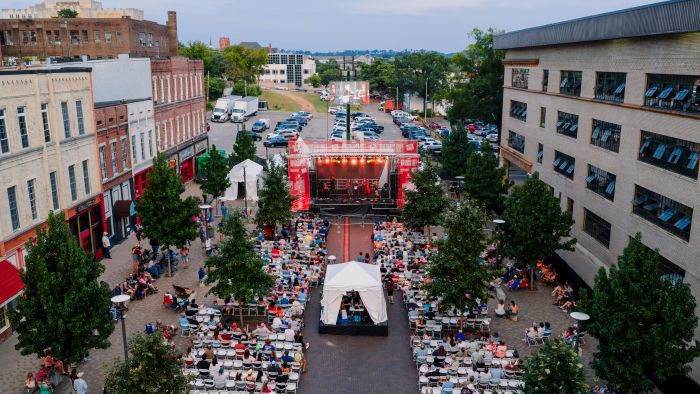
Local resources are one of the most efficient means of reducing the cost of an event. Most communities have areas that they can utilize at no fee or at a low fee. Citizens can frequently book events in their local parks, community centers, libraries, and even school auditoriums at minimal/no cost. The organizers will save money, and at the same time, the visitors can afford the event with such venues.
Partners can be local businesses and organizations, too. Instead of hiring external suppliers only, you could ask neighborhood restaurants, bakeries, or coffee shops to serve snacks. Numerous small businesses would be happy to donate food or beverages to have visibility at the event.
Volunteers play another important role. Bringing on people to assist with the setup, cleanup, or coordination of activities is a way of minimizing employment costs and contributes to the feeling of ownership. The environment becomes more welcoming when the individuals believe they are constructing something common together.
2. Target Simple, Interactive Activities
Event budgets generally run out of control in entertainment and activities. To make these down, think basic and fun, low-cost options that will be communication, not fancy. A community event would, for example, not necessarily hire a big band, but rather include some performances by local school bands or cultural clubs. Such performances, besides being entertaining, also create awareness of the talents in society.
Another inexpensive concept is interactive stations. Storytelling, fireside games, and craft tables are all ways of promoting engagement without expensive equipment or supplies. It is also possible to turn trivia games or scavenger hunts into a local history or tradition-based game and make it part of the area.
In some situations, organizers of events offer symbolic tokens, like custom race medals in fun runs or fitness tests, that allow participants to have some kind of a keepsake but still have a sense of achievement.
It is little things such as gift certificates provided by local businesses or home-made gifts that do make a difference and are valued.
These little details are mega in turning the event around without having to spend a lot of money.
3. Build Environment Creatively, Not Expensively
The atmosphere of an event can be a defining factor as to whether the attendees will leave a positive memory of the event. Professional decoration and fancy set-ups may be attractive but are not necessary to make the environment friendly. With a little imagination, even a small budget will allow you to make something spectacular out of what should be an ordinary space.
Good decorations to begin with are the handmade ones. Neighborhood art projects can be both decorative (like banners created by local students) and a demonstration of local talent (like a mural on the wall created by local artists).
The presence of a basic refreshment table, with flowers of the season or matching colors, is welcoming and festive when it is combined with music that the local artists play, or even a list of common songs they can use; the atmosphere can be engaging at a very low cost.
There is yet another creative tool, which is provided by social media. Attendees would be motivated to share their stories on the internet by creating a special photo booth with props or a themed background. This not only adds to the fun, but also promotes by word of mouth, which may result in more people attending subsequent events.
Conclusion
Community event organization is not a costly task that should be accomplished cheaply, and it does not imply compromises in either quality or fun. Using the locally available resources, emphasizing involving basic activities, and setting the mood using imagination instead of cost may help organizers create experiences that are memorable and inclusive. The success of any successful gathering is not the amount of money spent but the bond created together and the experiences. Careful planning and a desire to think on one’s feet can help a community event succeed at a cost that is well under control.
Sources:
https://themewinter.com/how-to-plan-an-event/
https://ballinderrypark.com/12-best-budget-friendly-community-event-ideas-for-everyone/
https://godreamcast.com/blog/mindmixer/community-event-planning-tips/
 Lynn Leblanc
  Shawn DesRochers