
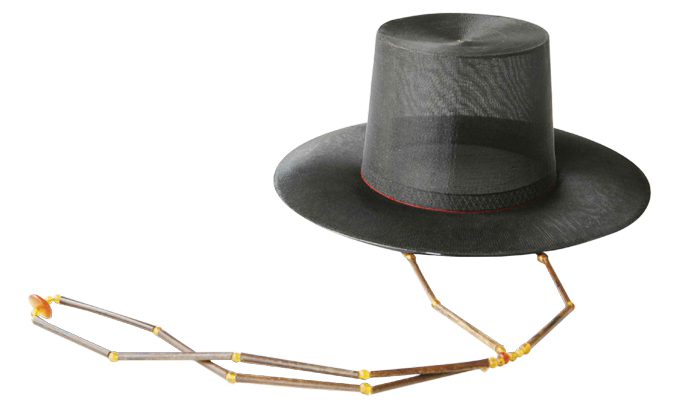
6 min read
1089 words
As Halloween approaches, a singular accessory is dominating the search bars of fans everywhere: a sleek, wide-brimmed black hat. If you’ve been captivated by the Netflix sensation “K-Pop Demon Hunters,” you know exactly what we’re talking about. The “gat,” worn with effortless cool by the show’s demon-hunting Saja Boys, has become the must-have item for cosplayers and Halloween enthusiasts this year.
But this stylish piece of headwear is more than just a fleeting trend. It’s a direct link to centuries of Korean history, craftsmanship, and culture. Whether you’re planning the perfect costume or are simply curious about the story behind the hat, this guide will walk you through everything you need to know about the gat—from its deep historical meaning to where you can find one for yourself.
The Gat in “K-Pop Demon Hunters”: A Modern Twist on a Classic Symbol
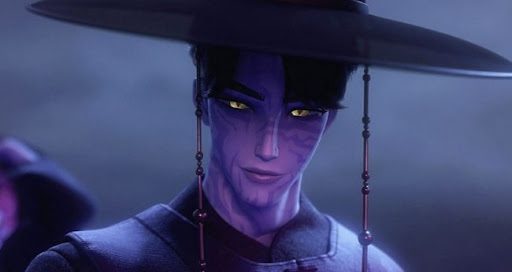
In “K-Pop Demon Hunters,” the gat is an essential part of the Saja Boys’ uniform. Its elegant, almost ethereal silhouette adds to their mysterious and powerful aura. The show’s costume designers masterfully blended the traditional form of the hat with a modern, stylized aesthetic, making it feel both ancient and perfectly suited for the K-pop-infused world of the series. This fusion of old and new is precisely why the hat has captured the imagination of so many fans, transforming it from a historical artifact into a symbol of contemporary cool.
Where to Find Your Own Demon Hunter Gat
With the show’s popularity surging, finding a gat has become a quest for many fans. Fortunately, there are several places online where you can find the perfect hat to complete your look, ranging from official merchandise to handcrafted replicas.
- The Netflix Shop: For those looking for official gear, the Netflix Shop is your first stop. It often carries licensed merchandise, including hats and apparel directly inspired by the show’s designs, ensuring high quality and screen accuracy.
- Etsy: If you’re searching for something with an artisanal touch, Etsy is a treasure trove. Here, you’ll find a wide variety of handmade and fan-made gat replicas. Many are crafted by artisans who specialize in traditional techniques, offering a piece that feels both authentic and unique.
- Amazon: For cosplayers on a deadline or a budget, Amazon offers numerous options. You can find a range of cosplay-style hats inspired by the show’s aesthetic, perfect for getting the demon hunter look without a hefty price tag.
- eBay: A great marketplace for variety, eBay features listings for everything from pre-owned cosplay pieces to newly handmade traditional Korean hats. It’s worth browsing to find a unique deal or a specific style.
The DIY Option: For the crafty fan, you can even create your own miniature version at home! Using simple materials like black paper plates, paper cups, and some glue, you can fashion a small-scale gat that’s perfect for a decorative piece or a low-key costume accessory.
Unveiling the History: What Exactly Is a Gat?
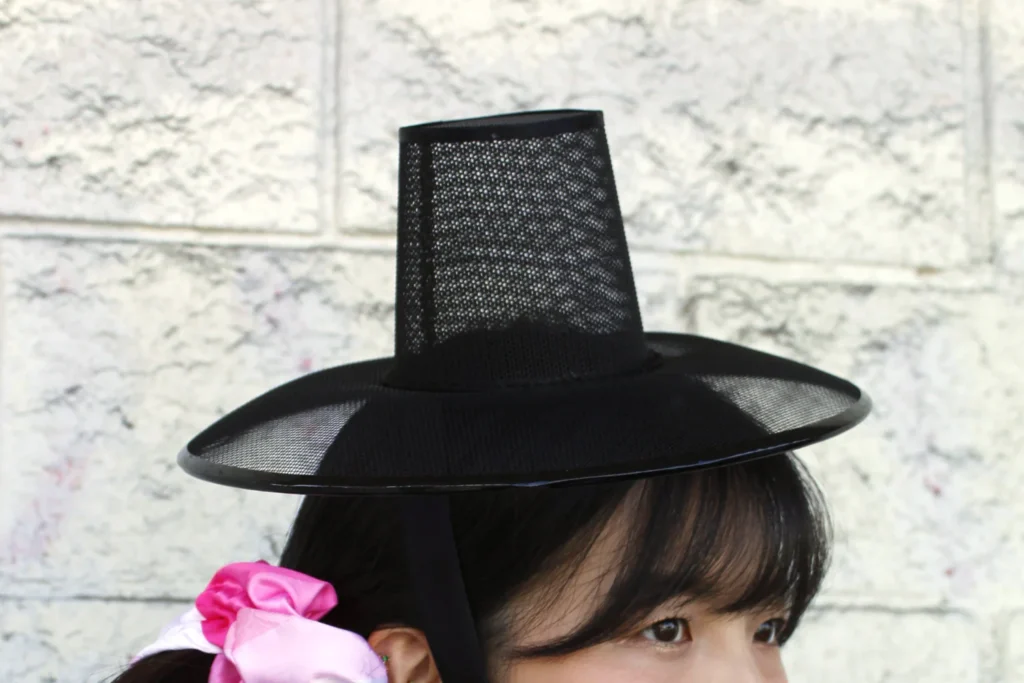
While it’s currently a pop culture phenomenon, the gat has a rich and storied past. To truly appreciate it, we need to look back to Korea’s Joseon Dynasty (1392-1910).
What does “gat” mean and how is it pronounced? In Korean, the hat is called 갓 (gat). The pronunciation is simple: it sounds like “gaht,” with a short, crisp “a” sound, similar to the word “got.”
What was the purpose of a gat? During the Joseon era, the gat was far more than just protection from the sun. It was an essential part of the formal attire for men of the noble class, known as the yangban. These were scholars, officials, and aristocrats. Wearing a gat signified social status, dignity, and intellectual refinement. It was a visible declaration of one’s place in the strict social hierarchy; commoners were not permitted to wear it.
How is a traditional gat made? The creation of a gat is a meticulous art form known as gannil. It involves the work of highly skilled master craftsmen. The process is intricate and requires two main components:
- The Crown (총모자, chongmoja): The cylindrical part of the hat is woven from incredibly fine strands of horsehair.
- The Brim (양태, yangtae): The wide brim is made from thin, delicate strips of bamboo, which are woven together into a fine mesh and lacquered black.
These two pieces are then expertly assembled and lacquered to create a final product that is both remarkably lightweight and durable.
What do the beads on a gat mean? A key decorative and functional element of the gat is the 갓끈 (gatkkeun), or hat strings. These strings, which secured the hat to the head, were often adorned with beads made from precious or semi-precious materials like jade, amber, coral, or bamboo. The material and craftsmanship of these beads were another indicator of the wearer’s wealth and rank. A high-ranking official might have elaborate jade beads, while a scholar of more modest means might have simpler ones.
How to Wear Your Gat with Dignity
For those aiming for an authentic look, there are a couple of important traditions to follow when wearing a gat.
- Wear It Straight: The gat should sit level on your head, not tilted. This alignment reflects the Confucian values of balance, order, and propriety that were central to the Joseon nobility.
- Use a Manggeon: Traditionally, a gat was not worn on loose hair. Men first tied their long hair into a topknot (sangtu) and then wore a 망건 (manggeon), a woven horsehair headband, to keep their hairline neat and secure. The gat was then placed over the manggeon. For modern cosplayers, using a simple headband or ensuring your hair is neatly styled can achieve a similar tidy look.
Is the Gat Still Worn Today?
In both South and North Korea, the gat is no longer part of daily attire. Its use has been relegated to special occasions. You will often see it worn during traditional ceremonies, folk festivals, and performances. It is also a staple in historical dramas, known as sageuk, which is where many people first encountered it before its recent global resurgence thanks to shows like “K-Pop Demon Hunters.”
From a symbol of scholarly status in the Joseon Dynasty to the signature accessory of modern fictional heroes, the gat has proven to be a timeless piece of Korean culture. So, as you don your hat this Halloween, remember the centuries of artistry and history it represents. You’re not just wearing a costume piece; you’re carrying on the legacy of an enduring cultural icon.
 Lynn Leblanc
  Sierra Powell
  Carly
Carly