
6 min read
1047 words
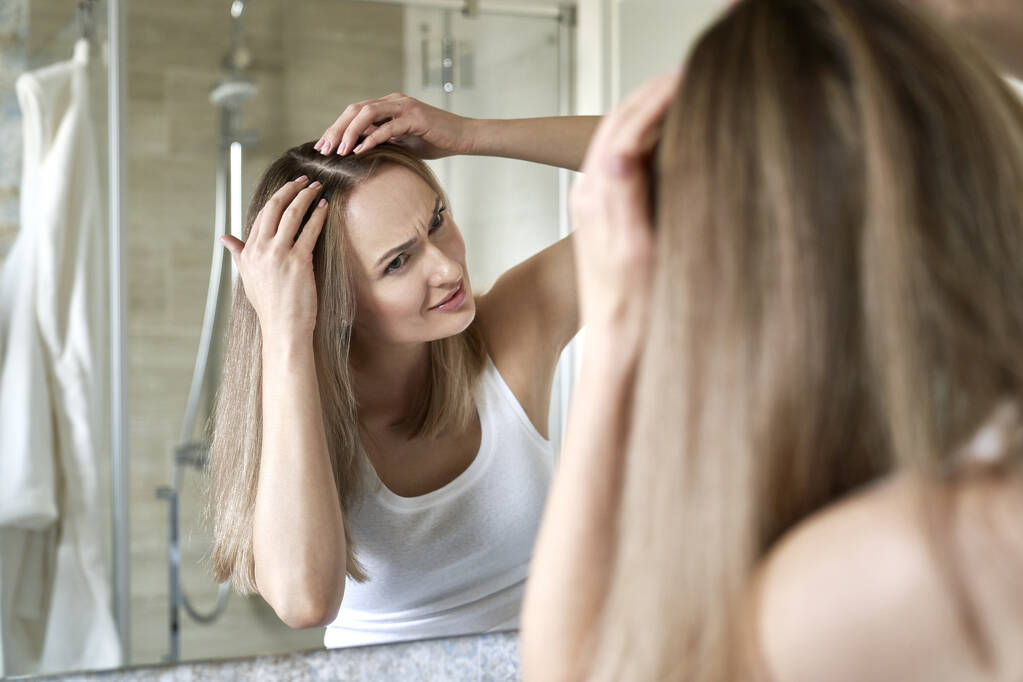
Experiencing changes in your body during menopause is normal, but few changes feel quite as challenging as thinning hair. The hormonal shifts that occur during this pivotal phase can significantly contribute to hair loss, which can be disheartening and impact self-assurance. However, there is genuine hope. You can take proactive, evidence-based measures to tackle this concern, restore hair health, and regain your confidence. This comprehensive guide explores the connection between hormones and hair, identifies underlying causes, and provides actionable strategies for managing hair loss during menopause.
The Menopause-Hair Connection: How Hormones Drive Thinning
Menopause marks a major drop in key hormones, fundamentally altering biological processes, including the hair growth cycle.
Estrogen’s Protective Role
For decades, estrogen has played a protective role in your body. High levels of estrogen typically prolong the anagen phase (the active growth phase) of the hair cycle, resulting in thicker, fuller hair.
As women enter menopause, the significant decrease in estrogen levels means this protective effect is lost. Without estrogen to keep hair in the prolonged growth phase, follicles become more vulnerable to shrinking.
The Rise of Androgens
While estrogen drops, the relative influence of androgens (male hormones like testosterone, which are still present in women) increases. In women sensitive to these hormones, androgens can miniaturize the hair follicle—a process that leads to hair becoming thinner, shorter, and more fragile over time. This is the hallmark of female pattern hair loss.
The resulting change often presents as menopausal hair thinning—a diffuse reduction in volume across the scalp, often most noticeable along the central part line.
Identifying the Factors Contributing to Hair Loss
While hormonal fluctuation is the primary catalyst, several elements can accelerate or worsen hair loss during menopause. Identifying these factors is the first step toward effective management.
1. Androgenetic Alopecia (Female Pattern Hair Loss)
This is the most prevalent form of hair loss in post-menopausal women. It is a hereditary condition where, due to genetic sensitivity, hair follicles react strongly to androgen hormones, leading to gradual miniaturization. Unlike male pattern baldness, women usually maintain their frontal hairline but experience significant sparsity on the crown.
2. Nutritional Deficiencies
The body’s ability to absorb vital nutrients can shift with age and hormonal change. Shortfalls in essential vitamins and minerals—particularly iron, zinc, Vitamin D, and B-complex vitamins (like Biotin)—can disrupt the hair production process, leading to increased shedding.
3. Stress and Telogen Effluvium
Menopause itself can be a stressful transition, often compounded by sleep disturbances (hot flashes). Chronic stress elevates cortisol levels, which can prematurely push a large number of growing hairs (anagen) into the resting and shedding phase (telogen effluvium). While this type of shedding is usually temporary, it can significantly exacerbate existing menopausal thinning.
4. Coexisting Health Issues
It is critical to rule out other medical causes of hair loss that frequently mimic hormonal changes. These include thyroid dysfunction (hypothyroidism), anemia, lupus, or taking certain medications.
7 Proactive Strategies for Managing Menopausal Thinning
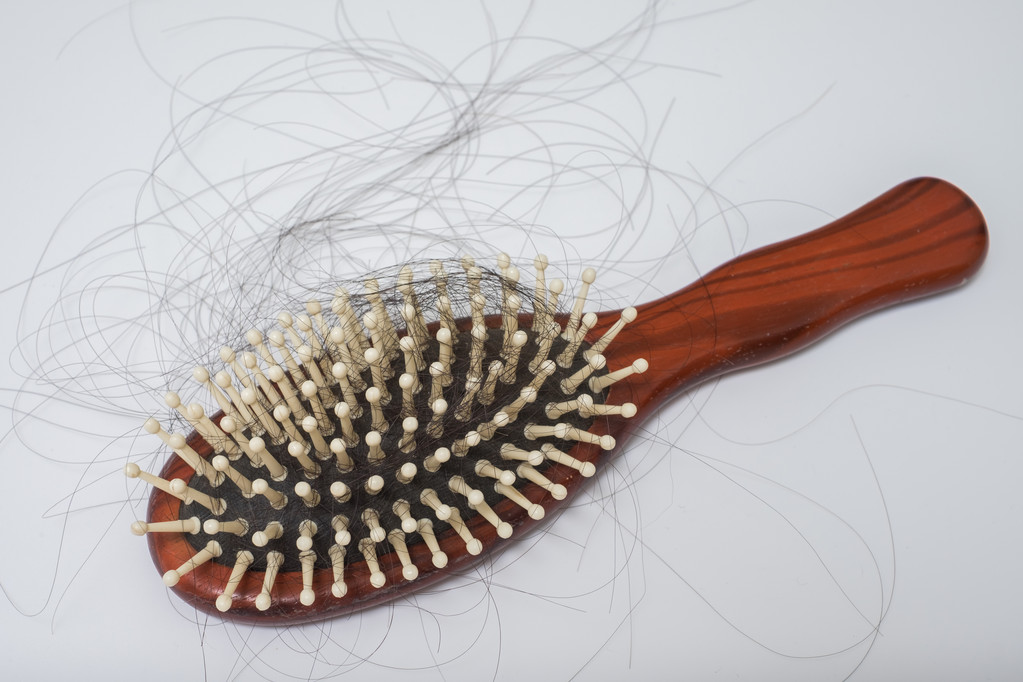
While experiencing hair loss can be daunting, there are proven, proactive measures you can take to minimize thinning, protect existing hair, and encourage regrowth.
1. Prioritize a Hair-Healthy Diet
A balanced, nutrient-dense diet is the foundation of healthy hair. Focus on consuming key micronutrients critical for follicle function:
- Protein: Hair is composed primarily of protein (keratin). Ensure adequate intake of lean meats, fish, eggs, and legumes.
- Iron: Necessary for oxygen transport to the hair roots. Consume leafy greens, fortified cereals, and red meat.
- Omega-3 Fatty Acids: Found in fatty fish (salmon), these reduce inflammation and support overall scalp health.
2. Implement Gentle Hair Care Routines
Harsh treatments and abrasive styling can damage fragile, menopausal hair, leading to breakage that mimics loss of density.
- Avoid High Heat: Limit the use of blow dryers, curling irons, and straighteners. If you must use them, apply a heat protectant spray.
- Use Sulfate-Free Products: Choose shampoos and conditioners labeled as thickening or volumizing, which often contain fewer harsh chemicals that strip natural oils.
- Be Gentle When Wet: Wet hair is most vulnerable. Avoid vigorous towel drying and aggressive brushing.
3. Seek Stress Management Techniques
Since stress directly contributes to shedding, finding effective relaxation and sleep techniques is crucial. Prioritize 7–9 hours of quality sleep nightly, and incorporate mindfulness practices such as:
- Daily meditation or deep breathing exercises.
- Low-impact exercise, such as yoga or walking.
- Setting boundaries to reduce daily overwhelm.
4. Consult a Dermatologist or Trichologist for Treatments
If at-home measures are not effective, professional intervention may be required.
- Minoxidil (Rogaine): This is the only FDA-approved topical treatment for female pattern hair loss. It works by extending the anagen (growth) phase and is proven to stabilize thinning.
- Platelet-Rich Plasma (PRP): A non-surgical option where the patient’s plasma, rich in growth factors, is injected into the scalp to stimulate dormant follicles.
5. Discuss Targeted Supplementation
While diet is paramount, specific supplements can fill nutritional gaps, especially during hormonal transition.
- Biotin (Vitamin B7): Known to strengthen keratin infrastructure.
- Marine Collagen: Provides amino acids essential for hair structure and scalp elasticity.
- Vitamin D: Crucial for the initiation of the hair growth cycle.
6. Explore Hormone Replacement Therapy (HRT)
In certain situations, HRT might be recommended by your doctor to manage a spectrum of menopausal symptoms, including hair loss. By restoring a more balanced hormonal profile, HRT may help counteract the effects of androgen dominance.
Note: HRT is a significant medical decision that requires a thorough discussion with your GP or gynecologist to weigh the benefits against potential risks, as outcomes concerning hair growth can vary widely.
7. Prioritize Scalp Health
Focusing solely on the hair strand misses the vital role of the scalp. Ensure your scalp is clean and well-nourished, as inflammation can impede new hair growth. Consider using gentle scalp scrubs or serums designed to boost circulation and balance the microbiome.
Final Thoughts: You Are Not Alone
Experiencing hair loss during menopause can be a difficult journey, often intertwined with feelings of emotional vulnerability and loss of identity. However, with commitment to the right strategies—from nutritional balance and stress management to seeking professional guidance when necessary—you can effectively manage this challenge.
Remember, you are not alone in this experience. By understanding the underlying causes and taking these proactive steps, you can work toward restoring your hair’s health and vitality, and ultimately, your self-assurance during this powerful phase of life.
 Emma Lee Scott
  Hailey Reynolds
  Gracie Davis
My hair is thinning so bad from stress.
Thank you for sharing these tips. My hair is thinning like crazy.