
4 min read
714 words
Many modern cosmetic tprocedures attract wide attention because improved techniques promise safe changes that suit personal style and daily comfort. Understanding how these cosmetic procedures influence self-esteem matters greatly because mental well-being follows physical adjustment and shapes social interaction, work performance, and overall life satisfaction. Clear knowledge about emotional outcomes guides realistic planning, supports healthy recovery, and encourages strong doctor–patient communication, helping the entire care path remain balanced and beneficial for long-term confidence for both adults and growing teens worldwide.
Immediate Emotional Lift
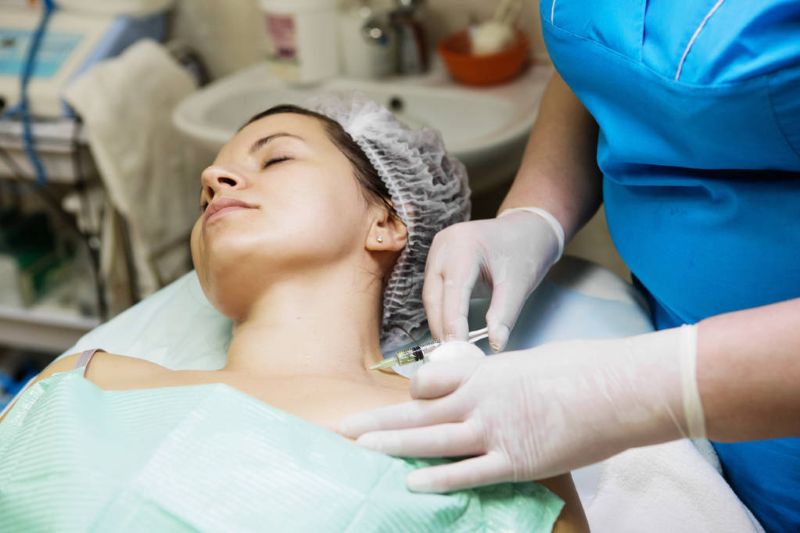
Immediately following a carefully considered cosmetic procedure, most patients report an immediate feeling of relief, since the feature that had been addressed now corresponds to their internal image of how they thought it should appear. This immediate relief can brighten mood, encourage more friendly eye contact, and encourage relaxed posture even before the healing process is complete. Surgeons note that early confidence boosts are often supported by realistic consultations, where understanding expected swelling and bruising helps prevent surprises and allows positive feelings to build steadily. This advice also contributes to family support, strengthening the calm reassurance around the patient.
Social Confidence Growth
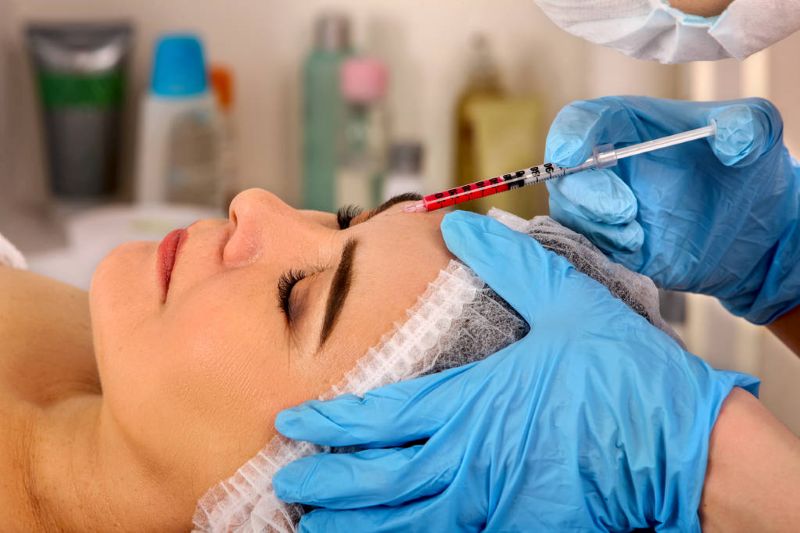
Friends and colleagues often comment on little aesthetic changes as new or vibrant. These subtle compliments may boost social confidence, leading to more relaxed conversation, wider grins, and а willingness to participate in group pictures, presentations, and community events that were once avoided due to a perceived flaw. With time, repeated acceptance will develop a stable sense of personal attractiveness. This progression is quantified by researchers using standard self-esteem scales given several weeks after procedures. Results tend to indicate moderate improvements in general life satisfaction scores, which are strongly correlated with increased engagement in hobbies, volunteer organizations, and dating activities, proving that improved appearance can extend outward, influencing the overall social behavior and promoting healthy relationship dynamics in the long term across all age groups.
Workplace Perception Shifts
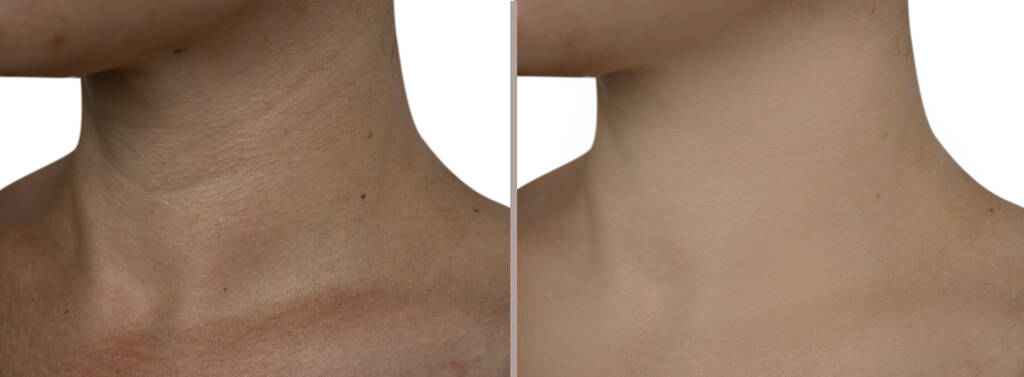
Subtle enhancements can reshape workplace perception, as coworkers often associate a refreshed appearance with energy, commitment, and professionalism, resulting in slight yet significant alterations in the way opinions are heard, tasks assigned, and leadership potential identified when working on group projects or meeting clients. For instance, neck lift in Northern Virginia has become а popular option for professionals seeking a more youthful look without dramatic changes. This altered perception can increase morale and receptiveness to promotion opportunities. Career development experts note that confident posture and eye contact maintained by increased inner esteem facilitate clearer communication, more assertive negotiation, and conflict resolution, so cosmetic surgery can indirectly lead to increased pay or timing of promotion. Still, success depends on ability, hard work, and respectful treatment of other employees in diverse industries and organizational cultures in many countries across economic cycles.
Psychological Adjustment Period
Despite positive trends, mental health counselors highlight an adjustment period when the brain recalibrates its self-image. This may cause brief uncertainty or detachment, especially if swelling temporarily distorts results. Professional reassurance and patience usually help this stage pass within weeks. Structured follow-up appointments, clear aftercare instructions, and optional counseling sessions work together to anchor emotional well-being, ensuring that growing satisfaction remains realistic, stable, and free from dependence on external approval, which preserves healthy self-esteem and guards against repetitive procedures pursued solely to chase short-lived excitement or social media praise over extended periods and fosters balanced identity development through adulthood stages.
Importance of Support Networks
Having solid connections with friends, family, and healthcare providers are key to post-procedure confidence. Genuine praise and helpful support in recovery offer emotional stability. Encouragement also helps patients focus less on temporary side effects and maintain positive emotions without disrupting daily life. Community support groups can offer shared experiences, coping skills, and realistic attitudes to counter hyper-mediated images and promote self-esteem gains from cosmetic work. These groups help people understand changes, find balance, and improve mental health.
Conclusion
Being consistently happy requires more than physical achievement, yet cosmetic surgery may raise confidence in your appearance, improving your life, social relationships, and employment. Patients must be emotionally ready, have realistic objectives, and have solid support system. The probability of regrets or further intervention is also reduced in case surgeons, therapists, and loved ones are involved in the process. Ongoing research and open communication are essential to developing safer, more thoughtful approaches that safeguard both health and aesthetics.
 Hailey Reynolds
  Gracie Davis
  Kim Monroe