
3 min read
516 words
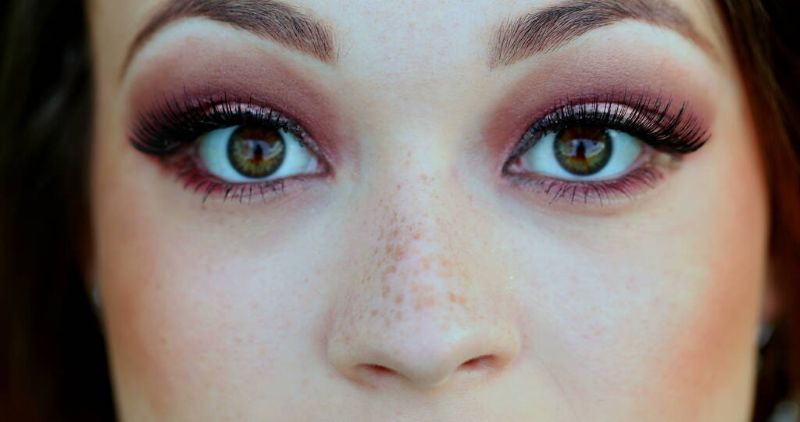
In the world of modern aesthetics, the connection between science and artistry has never been more important. Beauty has always been subjective, yet the methods used to enhance it now depend on anatomy, balance, and precision. Skilled practitioners today approach cosmetic treatments as both an art form and a scientific discipline, seeking to enhance individuality rather than erase it. The goal is to create harmony between structure and expression, allowing each person’s natural features to shine.
The Human Face as a Canvas
Every face tells a story. Small variations in symmetry, proportion, and expression influence how you are seen and how you see yourself. Understanding this natural harmony is essential for anyone involved in aesthetic work. Treatments that once focused on correction now emphasize preservation and enhancement. By studying facial structure, practitioners learn to create results that appear genuine instead of artificial.
This concept of “artistic anatomy” is transforming the beauty industry. Whether through injectables, skin rejuvenation, or surgical procedures, the goal is to complement what is already there. The objective is not to change someone’s identity but to restore or highlight natural character in a refined and graceful way. A skilled aesthetic professional views the face as a composition, where light, shadow, and proportion come together to form visual balance.
The Rise of Precision and Personalization
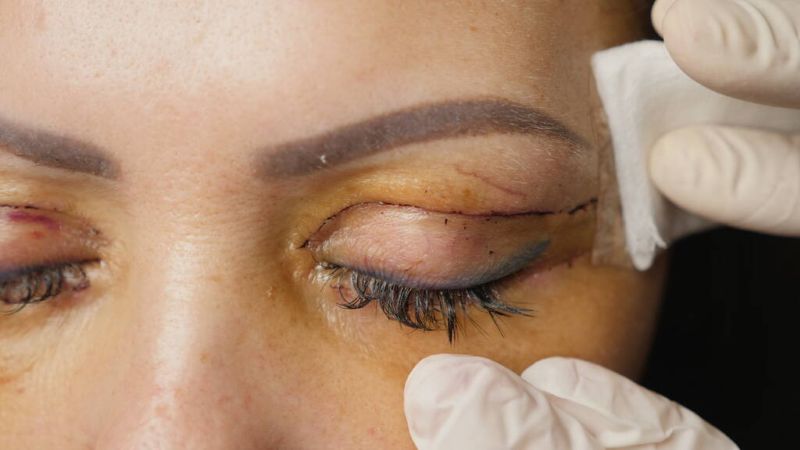
Technological advances have brought precision that was once unimaginable. High-resolution imaging, 3D modeling, and delicate surgical instruments now allow for remarkable accuracy. These innovations make it possible to design treatments based on each person’s unique features and goals rather than relying on standardized ideals of beauty.
A clear example of this blend between art and science is blepharoplasty in Danville, CA, a procedure that rejuvenates the eyes by addressing sagging skin or puffiness. The foundation of the treatment is medical knowledge, yet artistic judgment determines how natural the final result will appear. The most successful outcomes are those where the patient looks refreshed, rested, and entirely themselves.
The Emotional and Psychological Dimension
Beauty treatments are not purely physical. They often influence confidence, mood, and self-perception. Many people seek cosmetic improvement to align their appearance with how they feel within. Practitioners who understand this emotional element approach their work with sensitivity, ensuring that every decision supports the patient’s sense of authenticity and comfort.
When art and anatomy align, the benefits reach beyond appearance. The process becomes a collaboration between professional expertise and personal perspective. Patients participate in shaping their image while practitioners translate that vision into reality. This shared approach replaces the old idea of perfection with the more empowering goal of authenticity and self-acceptance.
The Future of Aesthetic Artistry
The future of beauty treatments will depend on keeping art and anatomy in balance. As new techniques and technologies appear, success will belong to professionals who retain a patient-centered focus. Science provides the tools, but artistry gives those tools purpose.
Modern aesthetics is no longer about chasing an ideal. It is about finding balance, restoring harmony, and appreciating that every face already holds its own distinct beauty waiting to be enhanced with care and understanding.
 Hailey Reynolds
  Gracie Davis
  Kim Monroe