
11 min read
2183 words
Alcohol consumption during pregnancy poses significant risks to fetal development, leading to a spectrum of preventable birth defects and lifelong health issues. Understanding these dangers is paramount for expectant mothers, partners, and healthcare providers to ensure the healthiest possible pregnancy outcome. This article explores the profound importance of abstaining from alcohol throughout gestation, detailing the mechanisms of harm and the severe consequences of prenatal alcohol exposure.
The impact of alcohol on a developing fetus is profound and irreversible. As alcohol crosses the placenta from the mother’s bloodstream to the baby’s, it can interfere with the growth and development of the baby’s brain, organs, and facial features. There is no known safe amount of alcohol to consume during pregnancy, and no safe time to drink. Every trimester carries its own unique risks, making complete abstinence the only guaranteed way to protect the baby.
This comprehensive guide will delve into the scientific reasons behind this recommendation, the specific conditions associated with prenatal alcohol exposure, and practical strategies for navigating a pregnancy free from alcohol. By equipping yourself with this knowledge, you empower yourself to make the safest choices for your child’s future.
Understanding Fetal Alcohol Spectrum Disorders (FASDs)
Fetal Alcohol Spectrum Disorders, or FASDs, are a group of conditions. They can happen to a person whose mother drank alcohol when she was pregnant. These conditions span a range of effects, impacting people in different ways. Thinking about a baby’s health means learning about FASDs.
What are FASDs?
- Definition and Scope: FASDs represent a whole group of problems. These problems appear in kids whose mothers drank alcohol during pregnancy. This umbrella term includes several specific diagnoses:
- Fetal Alcohol Syndrome (FAS): This is the most severe form. It includes distinct facial features, growth problems, and brain damage.
- Alcohol-Related Neurodevelopmental Disorder (ARND): Here, brain and nervous system problems are present. However, the facial features and growth issues might not be there.
- Alcohol-Related Birth Defects (ARBD): This refers to physical defects. These can affect the heart, bones, kidneys, or vision.
- Neurobehavioral Disorder Associated with Prenatal Alcohol Exposure (ND-PAE): This diagnosis focuses on brain-based difficulties. Issues often involve thinking, behavior, and social skills.
- Lifelong Impact: FASDs are not temporary. They cause lifelong disabilities for those affected. There is no cure for FASDs once they occur. Still, with good support, individuals can lead happy, meaningful lives.
The Biological Mechanisms of Alcohol’s Harm to the Fetus
How does alcohol hurt a tiny baby inside the womb? It gets directly to the baby. Understanding this process highlights why avoiding alcohol is so important for every expectant mother.
- Placental Transfer: Alcohol moves easily. It crosses the placenta, which is the link between mother and baby. This means the baby’s blood alcohol level becomes the same as the mother’s. The baby’s tiny liver cannot process alcohol well.
- Brain Development Interference: Alcohol is a teratogen. This is a bad substance that causes birth defects. It directly harms the developing fetal brain. Alcohol messes with how cells move, how neurons grow, and how brain connections form. This can lead to lasting brain damage.
- Nutritional Deprivation: Drinking alcohol can also hurt the baby indirectly. It may stop the absorption of key nutrients. It can also reduce oxygen flow to the growing fetus. These are both vital for healthy growth.
Diagnosing and Recognizing FASDs
Catching FASDs early helps kids get the support they need. Diagnosis can be complex, requiring careful evaluation. Doctors look for specific signs and issues.
- Diagnostic Criteria: To diagnose FAS, doctors often look for three main things. These are specific facial features, problems with growth, and issues with the central nervous system. Other FASD types might not show all these signs.
- Variability of Symptoms: It is true that FASDs can show up very differently in each person. The exact effects depend on many factors. How much alcohol was consumed, how often, and when during pregnancy all play a role. A baby’s unique sensitivity also matters.
Physical Effects of Prenatal Alcohol Exposure
Beyond brain harm, alcohol can leave clear physical marks. These physical changes are often the most recognized signs of Fetal Alcohol Syndrome. They affect how a child looks and grows. Alcohol rehab San Juan Capistrano can help you with addiction. Contact them today.
Facial Anomalies
Some children with prenatal alcohol exposure show distinctive facial traits. These features are unique to FAS.
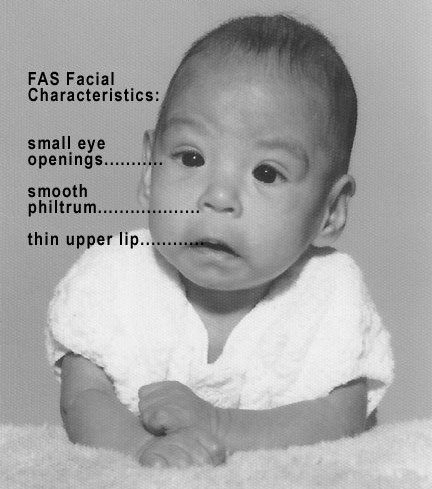
- Distinctive Facial Features: Doctors look for three key facial features in FAS. These include a smooth philtrum, which is the ridge between the nose and upper lip. Another sign is a thin upper lip. Short palpebral fissures, or smaller eye openings, are also characteristic.
- Variations in Appearance: Not every child with an FASD will have these specific facial signs. This is why FASDs are called a “spectrum” of disorders. Some kids might have severe brain problems without any visible facial changes.
Growth Deficiencies
Alcohol can stunt a baby’s growth. This happens both before and after birth.
- Prenatal and Postnatal Growth: Babies exposed to alcohol often have low birth weight. They may also be shorter in stature and have a smaller head circumference. This can continue as they grow up.
- Impact on Organ Development: The effects are not just about size. Alcohol can harm the development of other important organs too. This includes heart defects, kidney problems, and bone issues.
Other Physical Complications
Physical issues go beyond just facial features or growth. Many other parts of the body can be affected.
- Sensory Impairments: Vision can suffer, leading to conditions like strabismus, where the eyes don’t line up properly. Hearing problems are also common.
- Fine and Gross Motor Skills: Children might struggle with coordination. They may have trouble with balance. Doing everyday tasks that need fine motor skills, like holding a pencil, can be hard. Gross motor skills, such as running or jumping, also might be affected.
Neurological and Behavioural Consequences
The brain is especially sensitive to alcohol. That’s why neurological and behavioural problems are a big concern for children with FASDs. These issues can make daily life very tough.
Cognitive Impairments
Thinking and learning can become a real struggle for kids whose mothers drank during pregnancy.
- Learning Disabilities: Many children with FASDs face problems in school. Reading, writing, and math often prove difficult. They might need special help to keep up.
- Memory and Attention Deficits: Remembering things, both recent and past, can be a challenge. They also might have trouble staying focused. Paying attention in class or during conversations can be very hard.
- Executive Functioning: These are the skills we use to plan and solve problems. Children with FASDs might struggle with impulse control. Abstract thinking, like understanding metaphors, is also hard for them.
Behavioral and Emotional Challenges
Behavioral issues often show up in kids with prenatal alcohol exposure. They can make social interactions difficult.
- Hyperactivity and Impulsivity: Many children with FASDs are very active. They might also act without thinking. This can lead to trouble at school or with friends. Controlling their emotions and actions is a big struggle.
- Social Skills Deficits: Understanding what others mean can be tough. They might not pick up on social cues. This makes forming friendships and fitting in very difficult.
- Mental Health Issues: There’s a higher chance of developing secondary disabilities later in life. These include anxiety and depression. Substance abuse can also become a problem as they get older.
Neurodevelopmental Disorders (ND-PAE)
This specific diagnosis helps describe brain-based problems even without physical signs.
- Specific Diagnostic Criteria: ND-PAE is a newer diagnosis. It highlights brain difficulties. Kids with ND-PAE have problems with thinking, behavior, and daily living. But they don’t have the typical facial features of FAS.
- Impact on Daily Functioning: These neurodevelopmental issues are not minor. They can greatly affect a person’s ability to do well in school. They impact job success and simply managing day-to-day life.
The Importance of Complete Alcohol Abstinence
The message is clear: no alcohol is safe during pregnancy. This isn’t just a suggestion. It’s the standard medical advice from leading health groups worldwide.
Expert Consensus and Guidelines
Medical experts agree. Drinking alcohol when pregnant is a serious risk. They all recommend staying away from it completely.
- CDC Recommendations: The Centers for Disease Control and Prevention (CDC) is very clear. They advise zero alcohol consumption during pregnancy. This helps prevent serious health problems for the baby.
- American Academy of Pediatrics: Groups like the American Academy of Pediatrics give the same guidance. They say that no amount of alcohol is okay for a pregnant woman.
- Public Health Messaging: You see this message everywhere. Public health campaigns consistently tell women to avoid all alcohol. This is crucial advice for a baby’s health.
“No Safe Amount, No Safe Time” Explained
You might wonder if a little bit of alcohol is okay. The answer is no. There’s truly no safe amount.
- Timing of Exposure: Alcohol can hurt a baby at any point in pregnancy. Different weeks carry different risks. Early on, it might cause major birth defects. Later, it can affect brain growth.
- Variability of Individual Response: Even tiny amounts can have big effects. Why? Because every woman and every baby is different. They process alcohol in unique ways. Some babies might be more sensitive than others.
- Lack of a “Safe Threshold”: Science has not found a safe limit for drinking during pregnancy. Doctors cannot tell you how much alcohol is harmless. So, the safest choice is to avoid it entirely.
The “Off-Ramp” for Alcohol Use
What if you’ve been drinking and find out you’re pregnant? Or what if you struggle to stop? Help is available.
- Seeking Support: If you’re pregnant or planning to be and find it hard to stop drinking, talk to someone. Support makes a difference.
- Healthcare Provider Consultation: Your doctor is your best first step. They can offer confidential help and point you to the right resources. They want to help you have a healthy pregnancy.
- Support Networks: There are groups and programs designed just for this. Look into support groups, counseling, or treatment plans. These can help pregnant women dealing with alcohol use.
Making Informed Choices for a Healthy Pregnancy
Having an alcohol-free pregnancy is a choice you can make. It sets your baby up for the best possible start. Making good choices means being prepared.
Navigating Social Situations
Social gatherings often involve drinks. But you can still enjoy yourself without alcohol.
- Communicating with Others: You can politely decline alcohol. A simple, “No thank you, I’m not drinking right now,” usually works. You don’t need to give a long explanation.
- Alternative Beverage Options: Many delicious non-alcoholic drinks are available. Try sparkling water with lime, fancy juices, or alcohol-free mocktails. You can still feel festive.
- Educating Partners and Family: Talk openly with your partner and close family. Explain why you’re choosing not to drink. Their support makes it much easier for you.
Resources and Support Systems
You are not alone on this journey. Many people and organizations want to help you.
- Healthcare Professionals: Your doctor, midwife, or nurse are key resources. They can answer questions and offer guidance. They are there to support your healthy choices.
- Reputable Websites and Organizations: Look for trusted information online. Sites like the CDC, FASD United, and the National Organization on Fetal Alcohol Syndrome (NOFAS) offer facts and support.
- Support Groups and Hotlines: If you need more specific help, seek out support groups. Many hotlines offer confidential advice. These resources can provide comfort and practical strategies.
Planning for a Healthy Lifestyle
Abstaining from alcohol is a big part of a healthy pregnancy. But other things matter too.
- Nutritional Guidance: Eating a balanced diet is very important. Good nutrition supports your baby’s growth. It also keeps you feeling well.
- Prenatal Vitamins: Don’t forget your prenatal vitamins. They fill any nutritional gaps. They provide key vitamins and minerals for fetal development.
- Stress Management: Pregnancy can be stressful. Find healthy ways to relax. Try gentle exercise, meditation, or spending time with loved ones. Managing stress is good for you and your baby.
Conclusion: Prioritizing Your Baby’s Future
Choosing to avoid alcohol during pregnancy is one of the most loving choices you can make. It protects your baby from serious, lifelong harm. This simple decision shapes their future in powerful ways.
Key Takeaways
- Zero Tolerance for Alcohol: Remember, there is no safe amount of alcohol during pregnancy. Not even a small sip.
- Protecting Against FASDs: Abstaining completely is the best way to prevent Fetal Alcohol Spectrum Disorders. You can stop these serious conditions from happening.
- The Power of Choice: You have the power. Your choice means giving your baby the very best start in life.
A Commitment to a Healthy Pregnancy
Empower yourself with this knowledge. You can make decisions that greatly benefit your child.
- Empowerment Through Knowledge: Knowing the risks helps you make smart choices. You are strong for seeking out this information.
- Seeking Help is Strength: If things get hard, reaching out is a sign of great strength. It shows your deep commitment to your baby’s well-being.
- The Gift of a Healthy Start: Giving up alcohol is a true gift to your child. It’s the gift of a healthy beginning, setting them up for a life full of possibilities.
 Emma Lee Scott
  Valerie Cox
  Lisa
Lisa