

6 min read
1038 words
The journey of motherhood is a remarkable experience, and for many women, the choice of where to give birth plays a significant role in that experience. For some, the thought of bringing a new life into the world in the comforting environment of their own home is appealing. A home birth can offer a sense of safety, familiarity, and personalization that hospital births may lack. If you’re considering this option, this comprehensive guide will help you navigate the planning process and ensure that your home birth is a positive experience for you and your family.
Understanding Home Birth
What is Home Birth?
Home birth refers to delivering a baby at home rather than in a hospital or birthing center. This type of birth can involve a midwife, a trained healthcare professional, or the presence of a doula, who provides support throughout the labor and delivery process. Home births can take place in any setting within the home, whether in a bedroom, living room, or even a backyard.
Benefits of Home Birth
There are numerous benefits associated with choosing a home birth, including:
- Comfort: Many women feel more relaxed and at ease in their own surroundings, which can lead to a more positive birth experience.
- Personalization: You have the freedom to customize your birth space, from the lighting to the music, creating an environment that feels right for you.
- Control: Home birth allows you to have more control over your birthing experience, including who can be present and what procedures are performed.
- Continuity of Care: Typically, a midwife or doula will provide care throughout the entire pregnancy, labor, and postpartum period, fostering a trusting relationship between you and your caregiver.
Risks of Home Birth
While many women have safe home births, it is essential to be aware of potential risks, including:
- Emergencies: In the event of complications, quick access to medical intervention might be limited. It’s crucial to have an emergency plan and know when to transfer to a hospital.
- Not all pregnancies are suited for home birth: Certain conditions or risk factors may make a home birth unsafe, such as previous cesarean sections, gestational diabetes, or pregnancy past 42 weeks. Always consult with your healthcare provider.
Planning Your Home Birth
Step 1: Research and Education
Before you commit to a home birth, it’s essential to educate yourself on the birthing process and what to expect. Books, online resources, and pre-natal classes can provide valuable insights into home birth practices and philosophies. Additionally, consider attending workshops or seminars to interact with experienced parents and professionals.
Step 2: Choose a Qualified Care Provider
Choosing the right midwife or healthcare professional is one of the most important steps in planning your home birth. Here are some factors to consider:
- Qualifications: Ensure that your chosen provider is certified and experienced in conducting home births.
- Philosophy of Care: Discuss your birth plan and preferences to ensure that your midwife aligns with your goals and values.
- Emergency Protocols: Inquire about their procedures in the event of an emergency, including transfer agreements with local hospitals.
Step 3: Create Your Birth Plan
A birth plan is a document that outlines your preferences for labor and delivery. While it’s essential to remain flexible, having a plan can help you communicate your desires to your team. Include details such as:
- Your preferred labor positions (e.g., water birth, squatting, birthing stool)
- Pain management preferences (e.g., natural methods, gas, or medications)
- Who you want present during the birth
- Plans for immediate postpartum care, such as skin-to-skin contact and breastfeeding.
Step 4: Prepare Your Home
Creating a cozy and safe environment for your birth is key to a successful home birth. Here are some steps to take:
- Choose Your Birth Space: Designate a comfortable area where the birth will take place. It should be clean and have enough space for your midwife and any additional support team members.
- Gather Supplies: Purchase or rent the necessary supplies, often provided by your midwife, which may include a birthing pool, towels, and a birthing kit that contains essential items (e.g., gloves, sterile scissors).
- Set Up Lighting and Music: Create a calming atmosphere with dim lighting and music of your choice to promote relaxation and comfort during labor.
Step 5: Assemble Your Support Team
Having a strong support system is vital during a home birth. In addition to your midwife, consider inviting:
- Your Partner: They can provide emotional and physical support throughout labor and delivery.
- Family Members or Friends: Close friends or relatives can help provide comfort, laughter, or practical help during labor.
- A Doula: A doula is trained to offer continuous support, providing comfort measures, information, and a calming presence.
Preparing for Labor and Delivery

Know the Signs of Labor
Understanding the signs of labor will help you know when it’s time to contact your midwife. Common signs include:
- Regular contractions that become increasingly intense
- Water breaking (the release of amniotic fluid)
- Intense back pain
Stay Mindful and Relaxed
As your due date approaches, incorporating relaxation techniques such as prenatal yoga, meditation, or breathing exercises can help you manage stress and prepare your body for labor. Practice coping mechanisms, such as visualization or affirmations, to build confidence.
Postpartum Planning
Planning for postpartum care is just as important as planning for labor. After your baby arrives, you may need support in the following areas:
- Nourishment: Have meals prepared in advance or arrange for friends and family to provide help for the first few weeks.
- Support for Newborn Care: Familiarize yourself with newborn care essentials, such as diapering, feeding, and soothing techniques.
- Emotional Support: Discuss emotional wellbeing in the postpartum phase, including recognizing signs of postpartum depression and seeking help if needed.
Conclusion
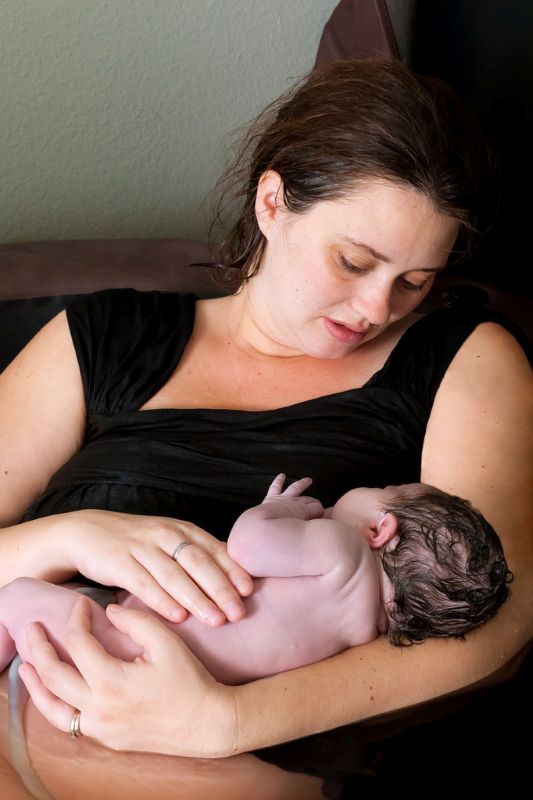
A home birth can be an empowering choice for expecting mothers, offering an intimate and personalized approach to bringing new life into the world. By conducting thorough research, assembling a supportive team, and preparing your home and mind, you can create a positive environment for this incredible experience. Always prioritize safety, and don’t hesitate to reach out to your healthcare provider with any questions or concerns. With careful planning and the right support, your home birth can be everything you hope for—a beautiful beginning to your journey as a parent.
 Emma Lee Scott
  Valerie Cox
  Lisa
Lisa