

4 min read
636 words
Few upgrades transform a vehicle’s character like a new exhaust system. Whether you’re chasing a deeper growl at idle, a throaty roar on the highway, or a modest bump in horsepower, exhaust modifications deliver both sound and performance. But with so many parts and options available, knowing where to start is key.
From the exhaust manifold to the exhaust tip, each component plays a role in shaping how your car sounds and performs. By understanding the types of upgrades available and how they affect your vehicle, you can make informed decisions that balance power, sound, and efficiency.
Types of Exhaust Upgrades
- Exhaust Manifold and Headers
The exhaust manifold is the first stop for gases leaving the engine. Stock manifolds are often restrictive, designed for cost and emissions compliance. Upgrading to performance headers improves airflow, reducing backpressure and unlocking horsepower. This change also sharpens your exhaust note, making it more aggressive. - Cat-Back Exhaust Systems
A cat-back system replaces everything from the catalytic converter back, including pipes, mufflers, and exhaust tips. This upgrade provides noticeable gains in both power and sound without requiring major modifications. - Axle-Back Exhaust Systems
Axle-back systems are smaller than cat-backs, replacing only the mufflers and rear piping. While performance gains are modest, the sound change is significant. This is a great entry-level upgrade for those primarily interested in exhaust tone. - Exhaust Tips
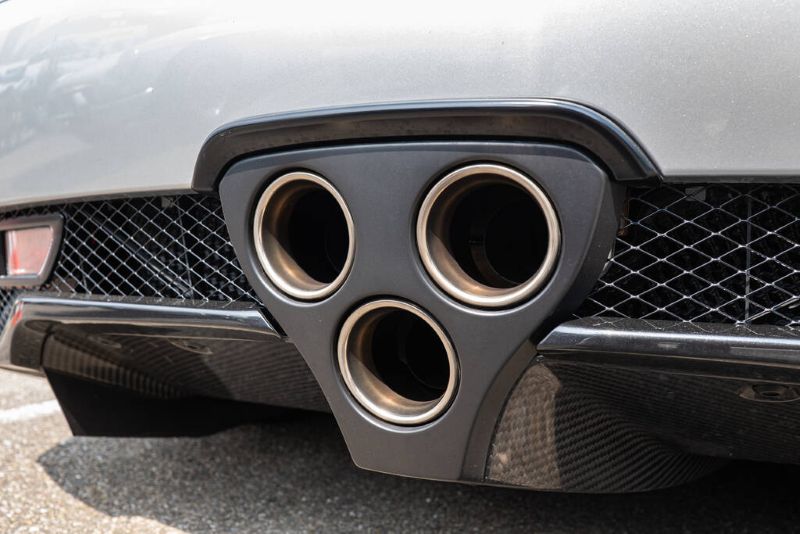
While they don’t add power, tips alter the tone and finish of your exhaust. Searching for exhaust tips near me can give your vehicle a more polished look while subtly enhancing sound resonance. - Mufflers
Replacing the stock muffler with a performance version offers an affordable way to boost sound while slightly improving flow. Options range from aggressive straight-through designs to quieter chambered styles. - Resonators
Resonators fine-tune exhaust tone by reducing drone and smoothing out harsh frequencies. While not always necessary, they help create a more refined driving experience when paired with other upgrades.
Choosing the Right Exhaust for Better Sound
- Define Your Goals
Are you more interested in volume, tone, or horsepower? For drivers chasing raw performance, upgrading the exhaust manifold and piping is a must. If sound is the priority, mufflers, resonators, or tips may be all you need. - Consider Legal and Practical Limits
Laws on exhaust noise vary by state, so always confirm regulations before installing aggressive systems. Keep in mind that overly loud systems may also lead to unwanted attention or fatigue on long drives. - Pair With Intake Upgrades
Exhaust systems work best when paired with better airflow on the intake side. A new air intake hose or cold air intake improves breathing, helping the engine take advantage of reduced exhaust restriction. Together, these upgrades can add noticeable horsepower and torque. - Material and Build Quality
Exhausts come in aluminized steel, stainless steel, and even titanium. Stainless steel offers the best mix of durability and cost, while titanium provides maximum weight savings for performance builds. - Professional vs. DIY Installation
Many axle-back and muffler upgrades are DIY-friendly, while full header or cat-back installs often require welding and professional tools. Choose the right level of complexity for your skills and budget. - Long-Term Maintenance
Performance exhausts may require more frequent checks for leaks, rust, or loose fittings. Investing in quality components upfront reduces long-term headaches.
Final Thoughts
Upgrading your exhaust is one of the most satisfying modifications you can make, enhancing both the performance and personality of your vehicle. Whether it’s swapping out restrictive manifolds, adding a cat-back system, or simply upgrading tips and mufflers, each choice brings unique benefits.
By defining your goals, considering local regulations, and pairing exhaust work with intake upgrades, you’ll create a setup that balances power and sound to match your driving style. In the end, the right exhaust system doesn’t just make your car louder — it makes it better.
 Sierra Powell