
5 min read
819 words
A well-built farm shed is more than just a structure; it’s the backbone of an efficient and organised property. It provides crucial storage for valuable equipment, shelter for livestock, and a dedicated workspace for maintenance and repairs. But if you’re considering adding a farm shed to your land, the planning process can feel overwhelming. Where do you even begin?
This guide breaks down the process into three essential steps. By carefully considering the purpose, location, and materials for your new shed, you can ensure you’re making a smart investment that will serve your needs for decades to come.
Step 1: Define Your Purpose – The Foundation of Good Design
Before you can even think about a slab or a single steel beam, you must answer one critical question: What is this shed for?
The purpose of your farm shed will dictate its size, layout, and features. A simple plan today prevents costly modifications tomorrow. Start by thinking about your immediate needs, but don’t forget to look ahead. A well-designed shed should not only improve your current workflow but also accommodate future growth.
Consider the potential uses for your shed:
- Machinery & Equipment Storage: Will you be storing tractors, harvesters, or utes? You’ll need to plan for high roller doors, wide bays, and sufficient clearance.
- Hay & Fodder Storage: This requires excellent ventilation, protection from the elements, and easy access for loading and unloading.
- Workshop Space: A dedicated area for repairs will need good lighting, power outlets, and potentially a concrete floor to handle heavy tools.
- Livestock Shelter: Animal welfare is key. Your design will need to factor in ventilation, protection from prevailing winds, and easy access for feeding and cleaning.
- Shearing Shed: This is a highly specialised build requiring a specific layout for pens, shearing stands, and wool storage.
Future-Proofing Tip: Think five to ten years down the line. Do you plan on buying larger equipment? Might you expand your livestock operation? Adding an extra bay or a few metres to the height now is far more cost-effective than trying to extend the shed later.
Step 2: Location, Location, Location – Positioning for Success
Choosing the right site for your farm shed is just as important as the building itself. A poor location can hinder productivity, create drainage nightmares, and even pose safety risks.
When surveying your property, look for a site that ticks these essential boxes:
- Accessibility: Ensure there is a clear, all-weather path for heavy machinery to get to and from the shed. Think about truck turning circles and proximity to your main access gates and work areas.
- Good Drainage: Build on high ground. A low-lying area that collects water will compromise your foundation, lead to rust, and create a muddy mess around the entrances. A level, well-drained site is non-negotiable.
- Proximity to Utilities: Will you need power for tools and lighting, or water for livestock and wash-down bays? Placing your shed close to existing utility lines can save you thousands in trenching and connection costs.
- Orientation: How the shed is positioned in relation to the sun and wind can significantly impact its usability and energy efficiency. For example, orienting the open side away from prevailing winds can protect the interior from harsh weather, while positioning windows or skylights to capture natural light can reduce your power bill.
Step 3: Select Your Materials – Built to Last the Australian Climate
Australia’s weather is no joke. From scorching sun and cyclonic winds to torrential rain and the ever-present threat of bushfires, your farm shed needs to be tough. The materials you choose are your first line of defence, ensuring the longevity and durability of your investment.
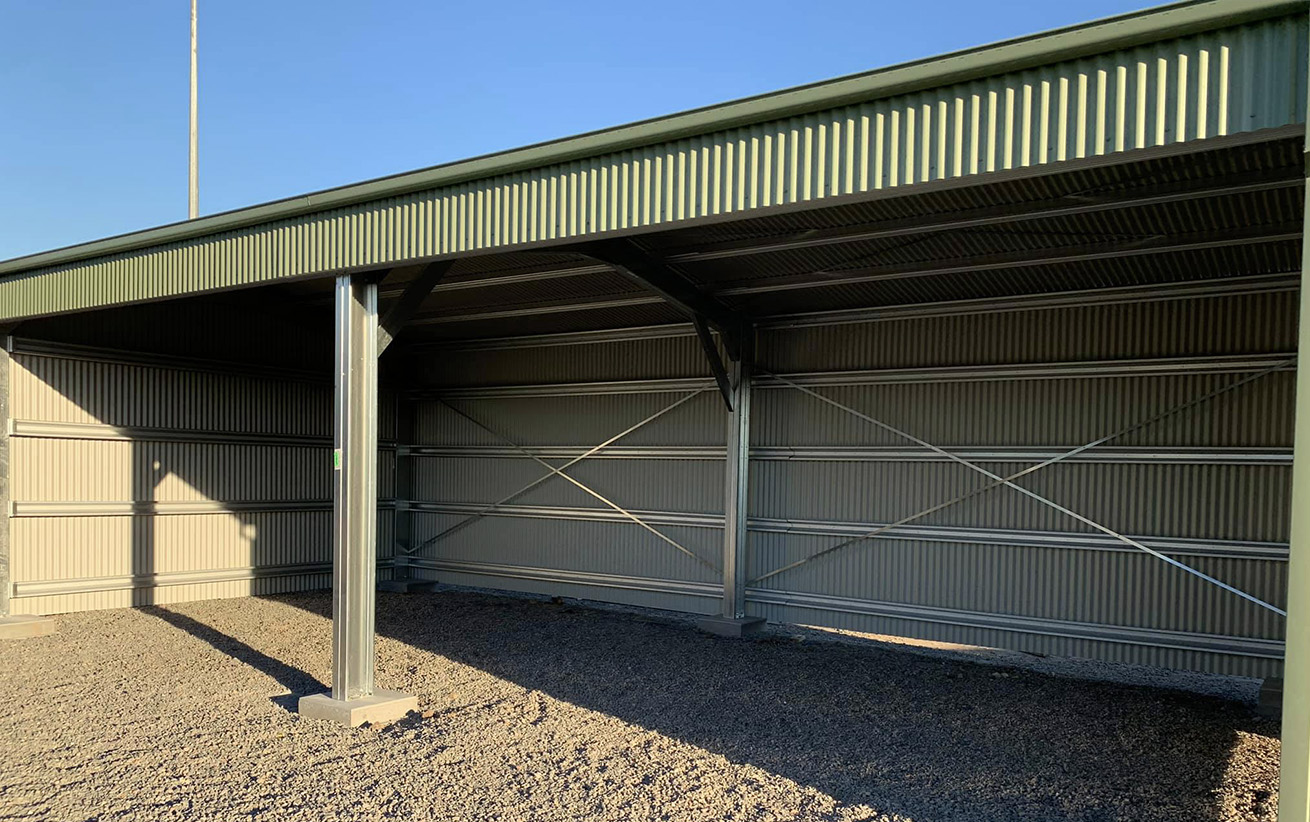
While various options exist, structural steel has become the gold standard for Australian farm sheds, and for good reason.
Steel offers a powerful combination of benefits perfectly suited to our conditions:
- Unmatched Durability: Steel frames can withstand extreme weather events far better than timber. They won’t warp, twist, or rot over time, ensuring your building remains structurally sound.
- Pest and Fire Resistance: Unlike timber, steel is impervious to termites and borers, saving you from potential damage and costly chemical treatments. It is also non-combustible, offering superior protection during bushfire season.
- Low Maintenance: A steel shed requires minimal upkeep. There’s no need for repainting, sealing, or treating for pests. A simple wash-down is often all that’s needed to keep it looking its best.
- Design Flexibility: Steel’s strength allows for huge clear spans, meaning you can have wide-open internal spaces without the need for obstructive support columns – perfect for large machinery.
Your Farm Shed: An Asset for the Future
Building a farm shed is a significant project, but it doesn’t have to be complicated. By carefully planning the purpose, location, and materials, you are laying the groundwork for a functional, durable, and valuable asset. Each of these elements directly impacts the long-term success of your building, ensuring it enhances your property’s efficiency for years to come.
 Leo Allen
  Ananya
  Sierra Powell