
8 min read
1528 words
In the relentless rush of modern life, it is remarkably easy to feel overwhelmed. We are constantly navigating demanding schedules, information overload, and unending pressures, which leave many of us searching for simple, effective ways to manage stress. While mindfulness apps and exercise routines certainly have their place, one of the most accessible and profound methods for regaining equilibrium lies right within our own four walls: maintaining a clean and organized home. Research consistently underscores a powerful, often overlooked truth: our physical environment profoundly impacts our psychological state. A cluttered, messy living space does more than just look untidy; it can actively contribute to increased levels of stress, anxiety, and even decision fatigue. Conversely, stepping into a clean, orderly environment can trigger an immediate sense of calm and control. This article delves into the fascinating connection between physical order and mental wellness, exploring how transforming your home into a sanctuary can drastically reduce stress and promote invaluable mental clarity.
The Impact of a Clean Home on Mental Well-Being: Understanding Clutter Psychology
To understand the stress-relieving power of organization, we must first recognize the underlying psychological mechanisms at play when we live surrounded by clutter. A disorganized home is not merely an inconvenience; it represents a constant, low-level cognitive drain.
When we are surrounded by piles of unfiled papers, scattered items, and objects without a proper “home,” our brain initiates a constant process called visual stress. This flood of competing visual stimuli makes it difficult for the brain to focus on any single task, leading to feelings of overwhelm and cognitive overload. Every extra item becomes an unwelcome addition to a subconscious “to-do” list—that shirt needs folding, that bill needs paying, this book needs shelving.
This relentless mental chatter elevates cortisol, the body’s primary stress hormone. Studies conducted by researchers at UCLA, for instance, have linked the amount of clutter women have in their homes directly to higher levels of cortisol. Essentially, the messier the physical space, the higher the physiological stress response.
A clean and organized home, conversely, functions as a psychological antidote. By removing visual noise and external distractions, the brain is provided with the necessary space to de-stress and recover. A tidy environment fosters a sense of preparedness and control, making it far easier to transition from the external chaos of the world to the internal calm of your personal space. When your living space is orderly, you are signaling to your mind that everything is manageable and accounted for, allowing genuine relaxation to take root.
Benefits of a Clean Home for Stress Reduction
The positive effects of home cleanliness ripple through various aspects of mental health, providing measurable relief from daily strains.
1. Reduces Anxiety by Restoring Control
Cluttered environments are notorious anxiety triggers. This is not just because they look chaotic, but because they directly undermine our innate human need for control and predictability. When we cannot easily find what we need, or when the sheer volume of things feels unmanageable, it generates a feeling of powerlessness. This unease can easily escalate into generalized anxiety.
By actively cleaning, decluttering, and organizing, you are engaging in a powerful form of active coping. This action restores a tangible sense of mastery over your immediate environment. The physical act of straightening a shelf or clearing a countertop provides a concrete endpoint and achievement. This transition from chaos to order helps alleviate feelings of chronic unease and promotes a foundational sense of peace and tranquility, transforming your home from a source of stress into a secure haven.
2. Promotes Deep Relaxation and Restorative Rest
How often have you tried to relax on the couch only to be distracted by a stack of mail waiting to be sorted or a pile of laundry looming nearby? A clutter-free living space eliminates these constant visual reminders of unfinished work, allowing you to fully relax and unwind without distractions.
A clean home creates a truly restorative environment. When surfaces are clear and pathways are open, the atmosphere becomes inherently more peaceful. This clean slate prepares your mind for decompression, making activities like reading, meditation, or simply resting more effective. When your surroundings reflect calm, your internal state is more likely to follow suit, improving sleep quality and aiding in genuine stress relief.
3. Boosts Productivity and Mitigates Decision Fatigue
While cleaning might seem like an activity separate from work or daily tasks, it is a significant contributor to mental efficiency. A clean home drastically helps improve focus and concentration. When you are not constantly searching for keys, documents, or supplies, you save valuable mental energy.
Disorganization leads to decision fatigue. Every time we encounter clutter, our brain has to make a micro-decision: Should I deal with this? Where does this go? These accumulated decisions quickly deplete our cognitive resources. By creating and maintaining designated spaces, a clean home automates these decisions, freeing up mental bandwidth for more important tasks. This enhanced efficiency reduces feelings of overwhelm, making it easier to tackle goals and maintain a smooth, less stressful workflow throughout the day.
Mastering the Maintenance: Strategies for Lasting Cleanliness
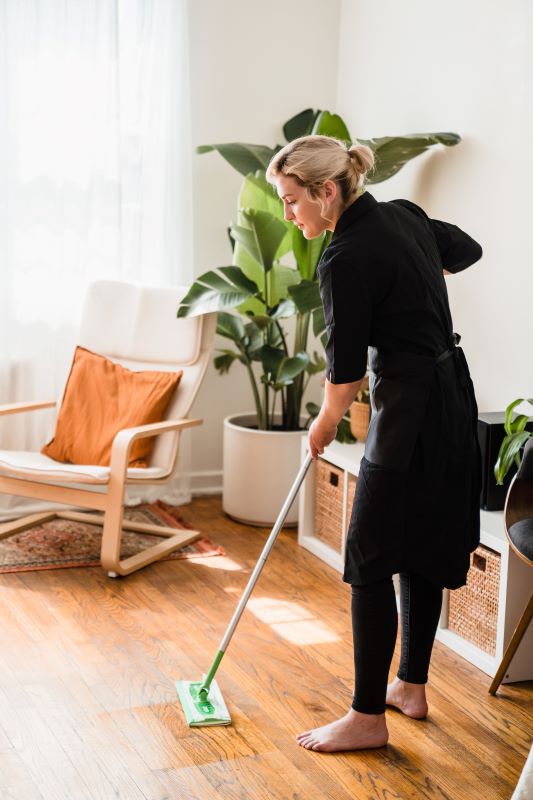
Recognizing the benefits is only half the battle; the true transformation happens through consistent effort. Keeping your home clean and organized does not have to be a massive, weekend-long undertaking. It relies on implementing sustainable strategies and integrating small, intentional habits into your everyday life.
The secret to maintaining a stress-free sanctuary is shifting from large, intimidating cleaning sessions to embracing smaller, more frequent routines.
Tips for Maintaining a Clean and Organized Home
The goal here is not perfection, but consistency. By treating your home as a living system that requires daily intention, you can prevent the sudden accumulation of clutter that leads to burnout and anxiety.
Practical Tips for a Stress-Free Sanctuary
1. Declutter Regularly and Ruthlessly
Clutter is the most significant visual stressor in the home. Decluttering is not just cleaning; it is the vital process of removing items that no longer serve a purpose, freeing up crucial physical and mental space.
- Implement the “One-Minute Rule”: If a task takes less than sixty seconds (e.g., hanging up a coat, putting a dish in the dishwasher, wiping a crumb), do it immediately. This prevents minor messes from snowballing.
- Practice Short, Focused Decluttering: Instead of waiting for a total overhaul, dedicate 10–15 minutes each day to one small, specific area (e.g., one drawer, one shelf, the kitchen counter). This “micro-decluttering” keeps the volume of items manageable without feeling overwhelming.
- Embrace the “One-In, One-Out” Rule: For items prone to accumulation (like clothes, books, or mugs), commit to getting rid of an old item every time a new one enters the house.
2. Establish Cleaning and Reset Routines
Chaos thrives in the absence of routine. Setting a predictable schedule ensures that cleanliness becomes a predictable habit, not an emergency response.
- The Evening Reset: Dedicate 10 minutes before bed to putting away every item that is not in its proper place. This guarantees that you wake up to a clean environment, starting the day with mental clarity rather than visual stress.
- Zone Cleaning: Instead of cleaning the whole house at once, assign a cleaning “theme” to different days (e.g., Monday: Bathroom Focus; Wednesday: Floor Sweeping/Vacuuming). This breaks down the labor into manageable segments.
- The “Landing Strip” Protocol: Designate a specific spot near the main entrance where daily items (keys, wallet, mail) must be placed immediately upon entering. This prevents high-traffic areas from becoming clutter epicenters.
3. Create Designated and Logical Spaces for Everything
A crucial element of organization is ensuring every item has a permanent “home.” When items lack designated spaces, they inevitably end up sitting on surfaces, creating clutter.
- Containerize: Utilize drawers, baskets, clear bins, and dividers to group similar items together. Storage containers not only hold things but also limit the sheer volume you can keep, forcing you to make conscious decisions about what is necessary.
- Utilize Vertical Space: Maximize storage by using shelves, wall hooks, and vertical organizers. Keeping items off the floor and surfaces conserves space and provides a cleaner visual aesthetic.
- Group by Function: Store items where they are used. Cleaning supplies belong under the sink, not in a distant closet. Kitchen tools belong near the cooking area. This simple logic minimizes the effort required to put things away, making maintenance easier.
Conclusion: The Ultimate Act of Self-Care

In today’s hyper-connected world, prioritizing a clean and organized home is far more than an aesthetic choice—it is an essential practice of self-care and mental hygiene. By controlling the environment immediately surrounding you, you gain a powerful tool for stress reduction and emotional stability.
A peaceful, orderly living environment provides a literal and figurative foundation for mental clarity, allowing you to de-stress, focus, and thrive. Implementing simple, daily cleaning routines and adopting consistent decluttering strategies will help you maintain this vital sanctuary.
Start small today. Choose one area—a bedside table, a kitchen drawer—and tackle it. Experience the immediate, positive impact of seeing that space transformed, and recognize that you are not just cleaning a house; you are actively nurturing your mind. The investment in a clean home is an investment in your mental well-being, yielding invaluable returns in calm and clarity.
 James Dingman
  Debbie Price
  Leo Allen