
5 min read
833 words
In a world often dominated by heavily cushioned, arch-supported, and restrictive footwear, a counter-movement has been steadily gaining traction: barefoot shoes. Among them, barefoot boots have emerged as a particularly intriguing segment, promising natural movement even in colder or tougher conditions. But are these minimalist marvels truly beneficial, or are they just another fleeting trend? Let’s unpack the hype and dive into the real benefits of barefoot boots.
What Exactly Are Barefoot Boots?
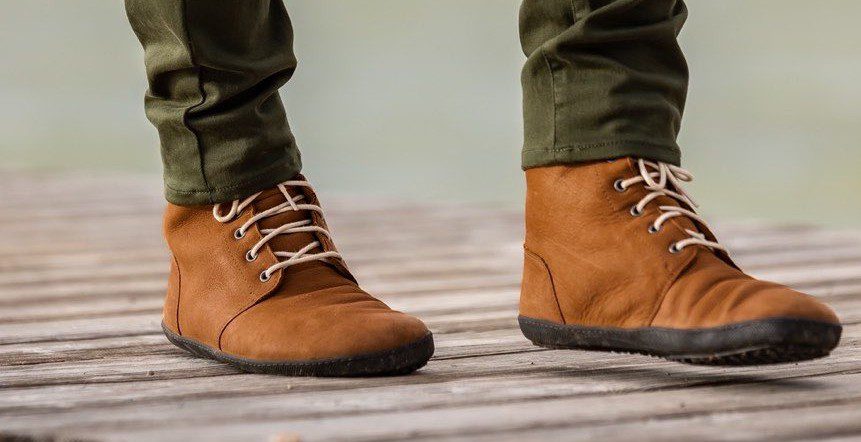
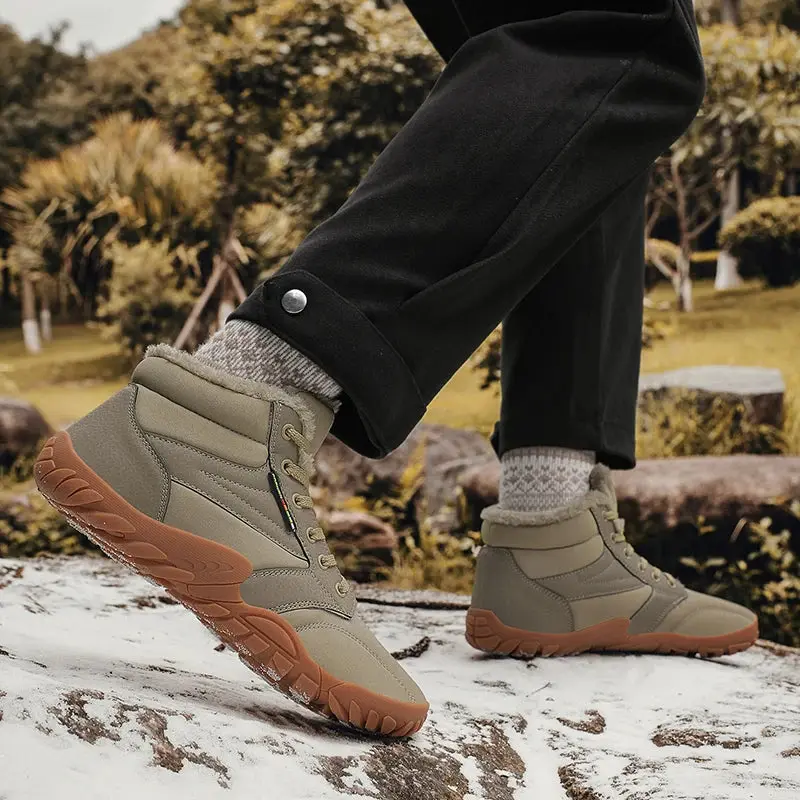
Barefoot boots, like their shoe counterparts, are designed to mimic the experience of walking barefoot while offering protection from the elements. They are characterized by several key features that differentiate them from conventional boots:
Key Characteristics:
- Wide Toe Box: This allows your toes to splay naturally, promoting better balance and preventing compression, which is common in many traditional shoes.
- Zero-Drop (Flat Sole): The sole has no height difference between the heel and the forefoot. This encourages a more natural gait, similar to walking barefoot, and aligns your body properly.
- Thin, Flexible Sole: A thin sole allows for greater ground feel (proprioception), letting your feet send more sensory information to your brain. Its flexibility enables the foot to bend, flex, and adapt to terrain naturally.
- No Arch Support (or Minimal): Instead of externally supporting the arch, barefoot boots encourage your foot’s intrinsic muscles to strengthen and support your own arch over time.
Unpacking the Hype: The Promise of Barefoot Boots
The allure of barefoot boots stems from the promise of returning to our evolutionary roots. Advocates claim they can reverse the damage caused by years of conventional footwear, improve posture, alleviate chronic foot pain, and even enhance overall athletic performance by strengthening the foot’s natural mechanics. This sounds revolutionary, but how much of it is backed by real-world experience and science?
The Real Benefits of Embracing Barefoot Boots
While the transition requires patience, many users report significant improvements after adopting barefoot boots. Here are some of the real, tangible benefits:
Enhanced Foot Strength and Mobility:
- Strengthens Intrinsic Foot Muscles: Without external support, the muscles within your feet are forced to work harder, leading to increased strength and resilience.
- Improves Ankle Mobility: The lack of heel lift and restrictive uppers allows for a greater range of motion in the ankle, which is crucial for dynamic movement and injury prevention.
Improved Proprioception and Balance:
- Better Ground Feedback: The thin, flexible sole allows your feet to feel the ground more effectively. This increased sensory input helps your brain better understand your body’s position in space.
- Enhances Balance: With improved proprioception and stronger foot muscles, many users experience a noticeable improvement in their balance and stability.
Natural Alignment and Posture:
- Encourages Natural Gait: The zero-drop design promotes a more natural midfoot or forefoot strike, reducing the impact on heels and potentially alleviating stress on knees, hips, and lower back.
- May Alleviate Lower Back Pain: By promoting a more natural posture and alignment from the ground up, some individuals find relief from chronic lower back and hip pain.
Comfort and Reduced Foot Pain:
- No Compression, Natural Toe Splay: The wide toe box eliminates pressure on toes, often relieving issues like bunions, hammertoes, and ingrown toenails.
- Reduces Common Foot Ailments: By strengthening the foot’s natural structure and allowing it to function as intended, barefoot boots can contribute to alleviating conditions like plantar fasciitis and metatarsalgia.
Is There a Downside? Considerations Before You Buy
- Transition Period: Switching from conventional, supportive shoes to minimalist ones can take weeks or even months. Your feet and calves need time to adapt and strengthen.
- Initial Discomfort: It’s not uncommon to experience some muscle soreness or fatigue initially as your feet work in new ways.
- Cost: Quality barefoot boots can be an investment, often priced similarly to or higher than traditional premium footwear.
- Aesthetic (for some): The wide toe box can give a different visual profile than sleek, pointed conventional boots, which might not appeal to everyone’s style preferences.
Who Should Consider Barefoot Boots?
- Those experiencing chronic foot pain (bunions, plantar fasciitis, metatarsalgia).
- Individuals seeking to improve their natural gait and posture.
- Athletes looking to enhance foot strength, proprioception, and injury prevention.
- Anyone interested in a more natural, comfortable, and foot-healthy footwear experience.
Making the Switch: Tips for Transitioning
- Start Slowly: Wear your barefoot boots for short periods initially, gradually increasing wear time.
- Listen to Your Body: If you feel pain (beyond mild muscle fatigue), take a break. Don’t push through sharp or persistent discomfort.
- Incorporate Foot Exercises: Complement your barefoot boot wear with specific foot strengthening and mobility exercises to aid the transition.
Barefoot boots are more than just a trend; for many, they represent a conscious choice towards improved foot health, natural movement, and a deeper connection with the ground beneath them. While they may not be a magic bullet for everyone, the real benefits of enhanced strength, improved balance, and natural comfort are compelling. By understanding their design and approaching the transition thoughtfully, you can determine if these minimalist marvels are the right fit for your feet and your journey.